
PS5 and Xbox Sales Suffer Historic Declines in US Market

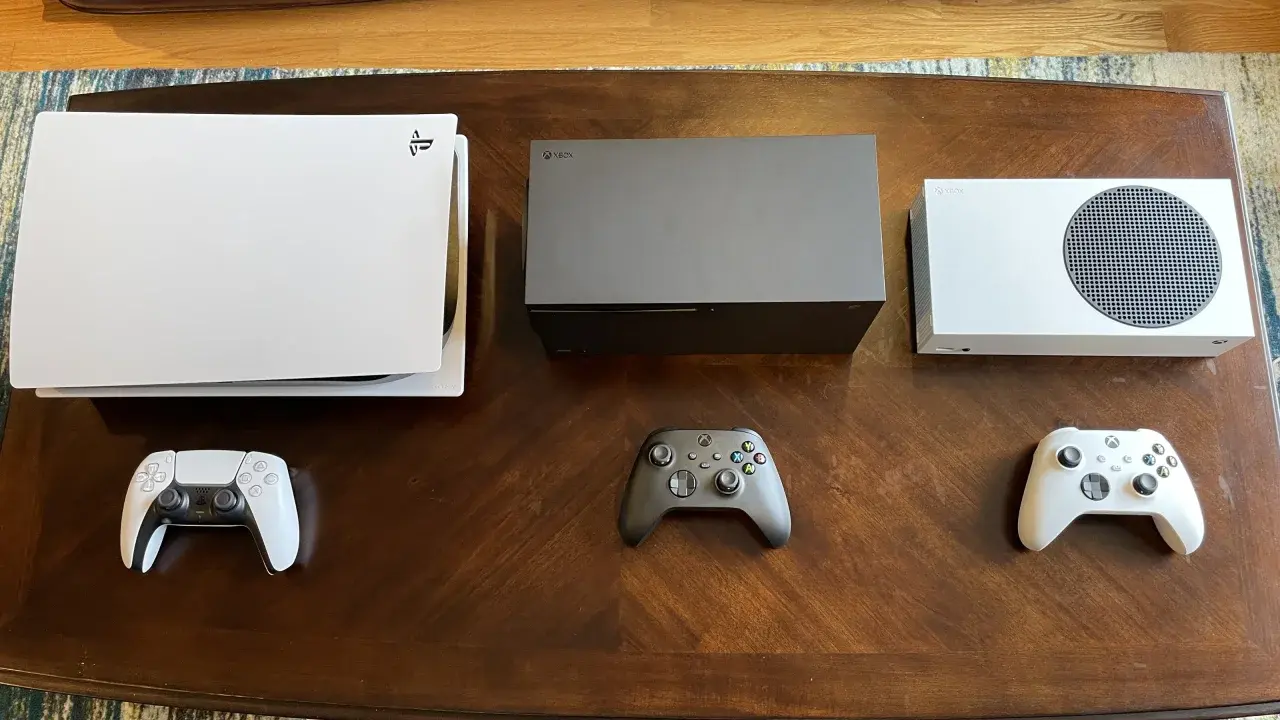
The global gaming console market has experienced a significant downturn as rising costs for memory and storage components force manufacturers to adjust retail prices. According to the latest market data released by Circana analyst Mat Piscatella, PlayStation and Xbox console sales reached their lowest May performance levels in the United States since the turn of the millennium. This decline, recorded throughout May 2026, highlights the direct correlation between hardware price hikes and diminished consumer demand within the competitive gaming industry, marking a challenging period for both Sony and Microsoft as they navigate supply chain constraints and fluctuating market dynamics.
- PlayStation sales plummeted by 58 percent in unit volume compared to the previous year.
- Microsoft reported its lowest May sales volume for Xbox consoles in recorded history.
- Component costs for memory and storage are projected to remain high until at least 2028.
- Nintendo Switch 2 emerged as a dominant force with nearly 6 million units sold in its first year.
Price Hikes Impact Sales Figures Significantly
The strategic decision by Sony to increase the retail price of PlayStation 5 models by 100 to 150 dollars in March has had a profound effect on purchasing behavior. This adjustment resulted in a 43 percent loss in total revenue for the platform, underscoring the sensitivity of the current consumer base to hardware costs. 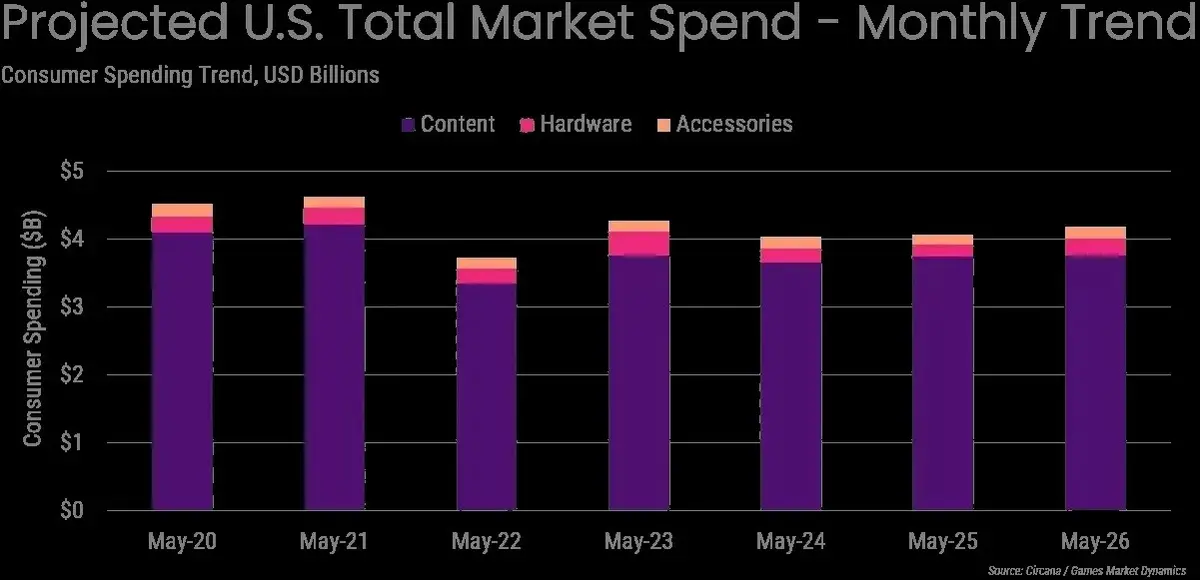
Microsoft faced a similar scenario, although the outcome was slightly different regarding revenue. While Xbox unit sales fell by 12 percent year-over-year despite adjustments to the Series S and Series X pricing, the company managed a 7 percent increase in hardware revenue. This suggests that while fewer units are moving off shelves, the higher price points are partially offsetting the volume drop for the Redmond-based tech giant.
Total console hardware expenditures across the industry increased by 38 percent during this period.
Nintendo Switch 2 Drives Market Growth
While industry titans struggled, the Nintendo Switch 2 captured significant consumer attention. With 5.9 million units sold in its initial year, it now ranks as the second-fastest-selling portable console in the United States since 1995. This performance highlights a shift in consumer preferences toward portable gaming experiences, even as the broader market deals with economic pressures.
Component Costs Will Limit Future Growth
Industry experts predict that the financial strain on the gaming sector will persist for the foreseeable future. The massive demand for memory and storage chips driven by artificial intelligence data centers has tightened supply for other sectors. Analysts suggest that component costs are unlikely to stabilize or normalize before 2028.
Major upcoming game releases like Grand Theft Auto VI remain the primary hope for reigniting console demand.
While publishers and manufacturers prepare for potential further price adjustments throughout the remainder of the year, the market remains in a state of cautious anticipation. Whether high-profile software releases will be enough to incentivize hardware upgrades remains the central question for the industry.
We invite you to share your thoughts in the comments section below: Do you believe these hardware price increases will continue to deter consumers, or are you waiting for the next generation of blockbuster games to make your next purchase?
Your comment has been submitted,
it will be published after approval.