
Can You 3D Print Your Own Clothing Successfully?

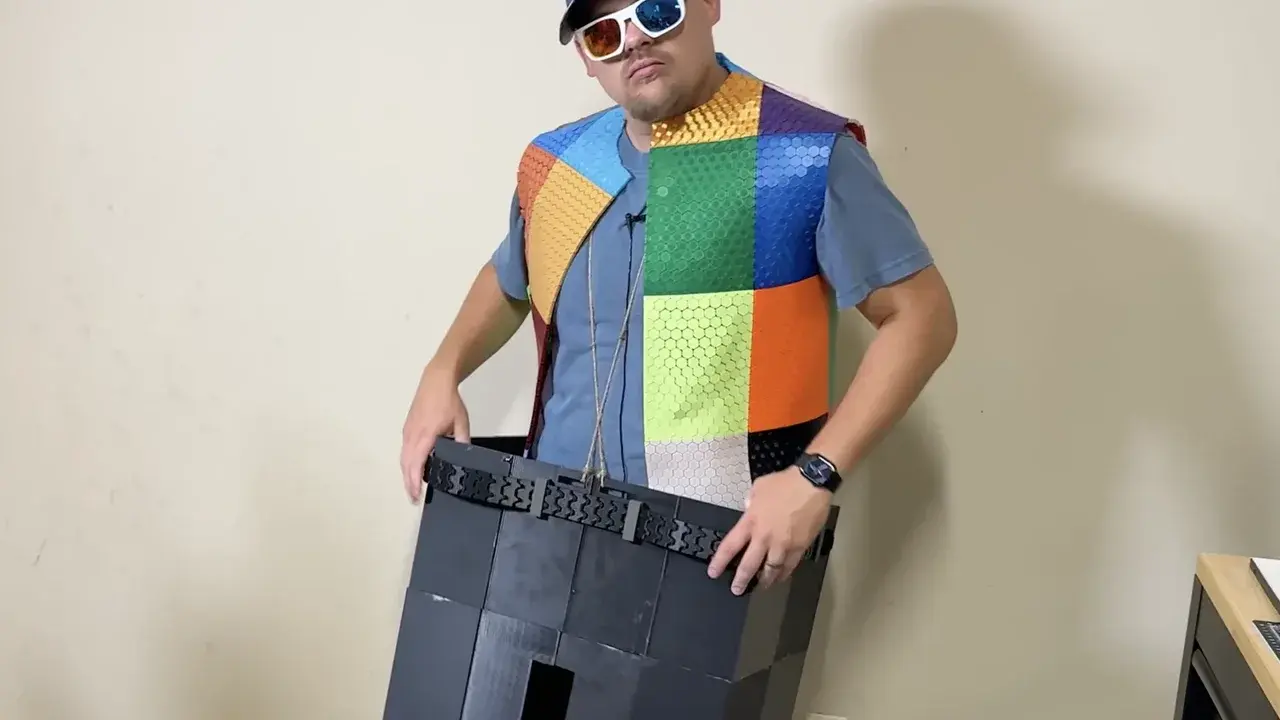
YouTuber Matthew Trahan has successfully challenged the boundaries of modern fashion by 3D printing an entire wardrobe, sparking a global debate on whether 3D printing one’s own clothing is a practical endeavor. In a project that pushed his hardware to the limit, Trahan produced a full ensemble including shirts, shorts, footwear, accessories, and even eyewear. While the experiment demonstrates the rapidly evolving capabilities of additive manufacturing in the textile industry, it also highlights significant hurdles in comfort, production time, and accessibility that prevent 3D printed garments from becoming a mainstream alternative to traditional retail clothing.
- Matthew Trahan spent over 560 hours of printing time to complete his full 3D-printed outfit.
- The total material cost for the project remained under 100 dollars, excluding the initial investment in high-end 3D printing hardware.
- The project revealed that while 3D printing can create aesthetic accessories, many wearable items like shorts remain impractical for daily use.
Additive Manufacturing Redefines Modern Fashion Standards
The intersection of 3D printing technology and fashion has progressed significantly over the last decade. Back in 2015, the use of 3D printers was largely confined to small jewelry pieces or minor accessories featured in design competitions. Today, creators like Trahan are proving that complex structures, such as hexagonal patterns, can be engineered to form flexible and wearable items. 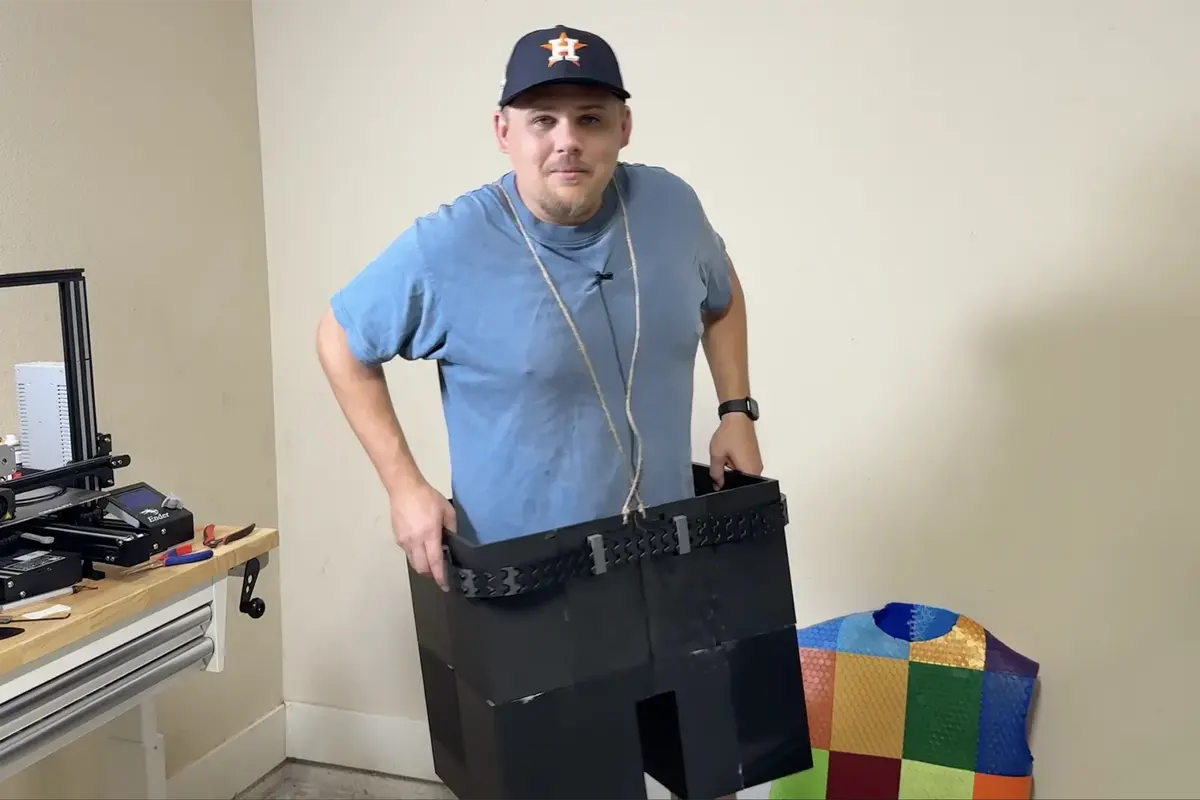
The integration of advanced geometric patterns suggests that professional designers may soon adopt these techniques for bespoke high-fashion applications.
Production Costs and Time Requirements Are Evaluated
Analyzing the financial and temporal investment required for this endeavor reveals a stark reality for hobbyists. While the actual filament material costs for the entire outfit amounted to approximately 100 dollars, the hardware required to produce these results is substantial. Trahan utilized a Prusa Core 1L printer, which carries a retail price of 1,999 dollars, placing it outside the reach of the average consumer looking for an affordable clothing alternative.
The labor involved is equally daunting. Trahan invested 33 hours into the initial digital modeling phase, followed by a staggering 560 hours of active machine time. Although the electricity consumption remained relatively low at roughly 13.30 dollars based on regional utility rates, the sheer volume of time required makes mass-producing personal wardrobes via 3D printing currently inefficient. 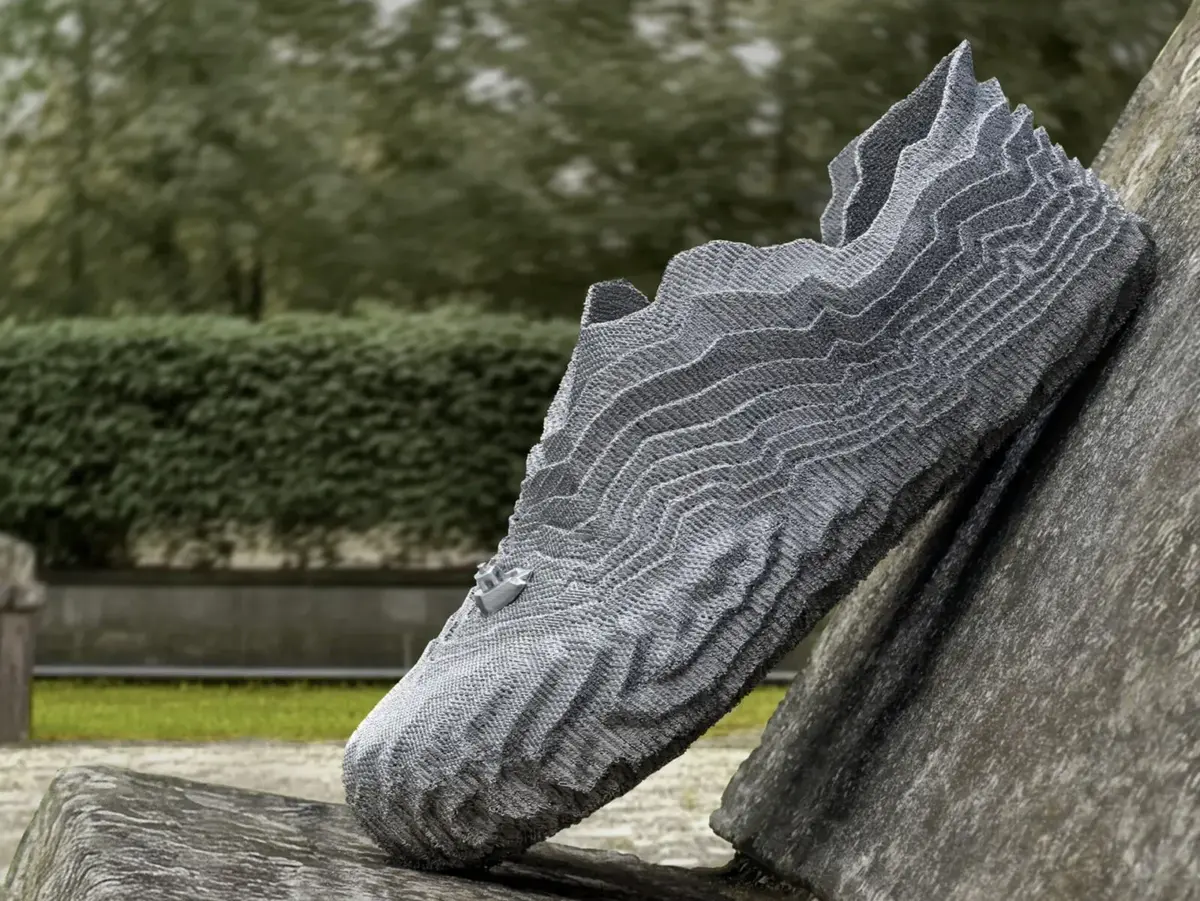
Despite the technical achievement, traditional textile manufacturing remains the most practical and comfortable solution for everyday attire.
Future Potential of 3D Printing in Apparel Industry Remains Uncertain
While high-end 3D printers allow tech enthusiasts to create personalized designs, the technology is not yet ready to replace the sewing machine. The rigidity and texture of current printing materials often clash with the need for comfort and mobility in daily wear. However, as material science advances and printing speeds improve, the possibility of on-demand, customized apparel production could eventually reshape supply chains and reduce textile waste in the long run.
We are curious to hear your perspective on this manufacturing evolution. Do you believe that 3D printing technology will eventually become a standard tool for creating personal clothing in your household, or is this merely a fascinating technical experiment? Share your thoughts in the comments section below.
Your comment has been submitted,
it will be published after approval.