
WhatsApp Fixes Security Flaw Used for Block Detection

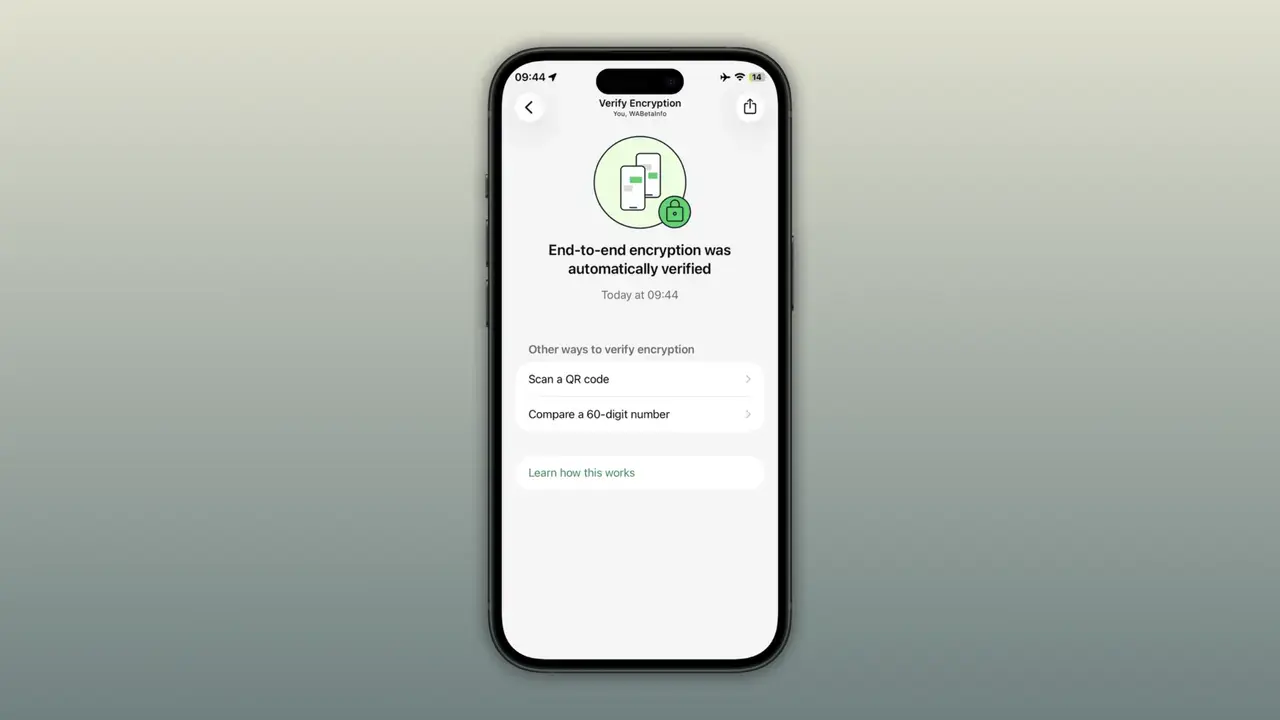
WhatsApp has officially addressed a technical vulnerability that previously allowed users to determine if they had been blocked by others through an encryption verification method. By exploiting a recurring error in the encryption handshake process, individuals were able to confirm their blocked status when the system failed to verify the recipient’s security code. This issue, which persisted across both Android and iOS platforms, has now been resolved by Meta through a silent, server-side update. Consequently, users can no longer rely on this specific technical glitch to confirm whether a contact has blocked them, as the verification process now functions seamlessly regardless of the account status.
- WhatsApp disabled the encryption verification method previously used to detect blocked contacts.
- The company implemented this security correction through a server-side update without requiring a client application version change.
- Encryption verification now completes successfully even when a user has been restricted by the recipient.
- Platform developers eliminated the technical inconsistency to prevent user manipulation of the messaging protocol.
Technical Glitch Was Mistakenly Interpreted as a Feature
The method that allowed users to identify blocked status was never intended to be a functional feature of the application. In reality, it was a technical anomaly where the automated encryption handshake failed for users who were blocked, triggering a manual verification prompt that users eventually learned to interpret as an indicator of being blocked.
WhatsApp has swiftly corrected this technical oversight to ensure that the integrity of the messaging environment remains intact.
Server-Side Updates Improved System Efficiency
One of the most notable aspects of this change is the deployment strategy utilized by the development team. Unlike traditional updates that require users to download the latest version from the Google Play Store or the Apple App Store, this patch was pushed directly to the servers. Testing confirms that even users on significantly older versions of the application can no longer utilize the workaround, as the backend logic has been fundamentally adjusted to prevent the previously observed error.
Classic Signs of Being Blocked Remain Valid
While the encryption verification loophole has been closed, other traditional indicators of being blocked remain unchanged. Users often rely on a combination of factors to infer their status, such as the inability to see a contact’s profile photo, the failure of messages to show a second grey tick, or the consistent inability to initiate a voice or video call. While none of these indicators are officially verified by the platform, they continue to serve as the primary diagnostic methods for users seeking to understand their communication status with others.
Company Maintains Strict Control Over Platform Integrity
The rapid response from the engineering team highlights a proactive approach toward maintaining platform consistency. Because the encryption verification method was not a documented feature, the company was not obligated to issue a formal statement regarding the change. By silently closing this gap, WhatsApp has effectively reduced the potential for social friction and clarified that the platform’s security protocols are designed for privacy rather than status monitoring.
How do you feel about WhatsApp closing these technical loopholes that users often exploit to check their status? Do you rely on other methods to see if you have been blocked, or do you prefer to wait for an official sign? Share your thoughts and experiences with us in the comments section below.
Your comment has been submitted,
it will be published after approval.