
DRAM Price Fixing Lawsuit Filed Against Samsung, SK Hynix, Micron

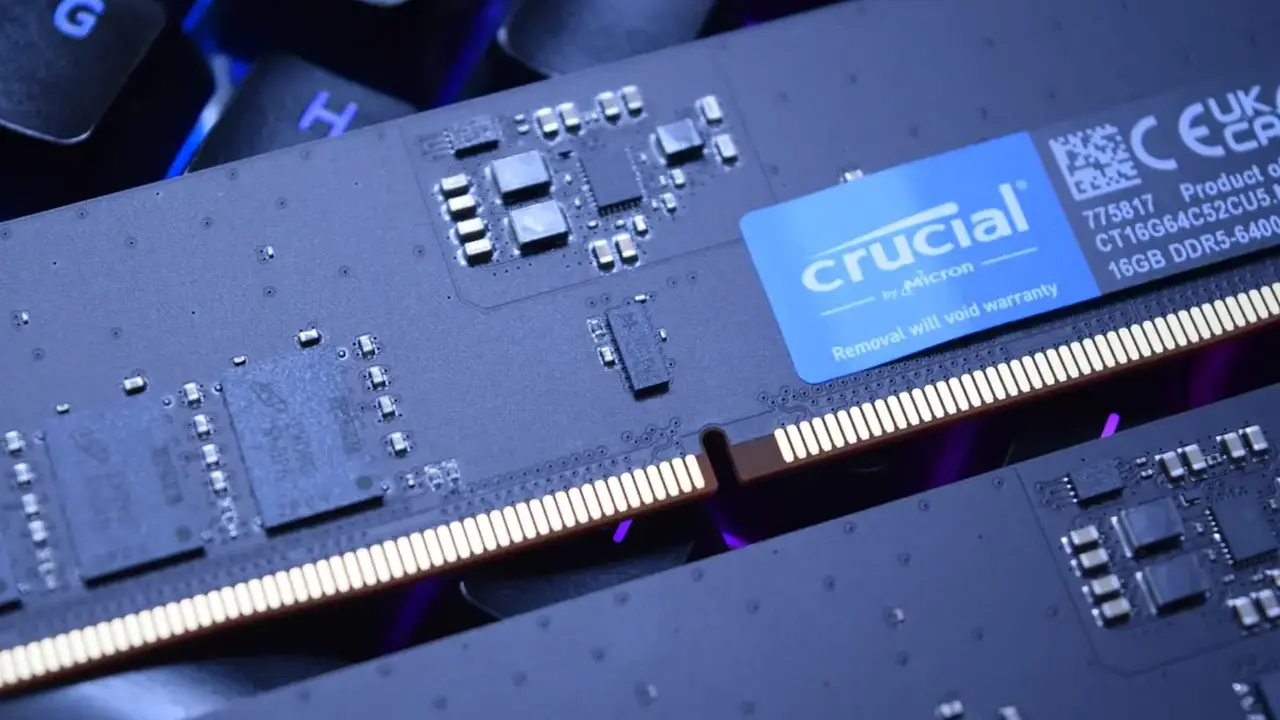
Amid a global memory shortage that has pushed prices to historic highs, technology giants Samsung, SK Hynix, and Micron are now facing a significant legal challenge in the United States. A class-action lawsuit, filed on June 25, 2026, in the U.S. District Court for the Northern District of California under case number 3:26-cv-06345, alleges that these three leading manufacturers deliberately restricted the supply of DRAM and artificially inflated market prices. This legal action, presided over by Judge Noel Wise, sees consumers and various technology firms seeking compensation, asserting that the memory producers have violated antitrust laws.
- US courts accepted a class-action lawsuit against DRAM manufacturers Samsung, SK Hynix, and Micron.
- Plaintiffs allege memory producers artificially restricted supply and manipulated market prices.
- High demand and production constraints indicate memory prices will continue to rise through Q3 and Q4 2026.
These massive price increases in the memory sector are profoundly shaking not only individual consumers but the entire technology supply chain.

Past Price-Fixing Violations are Recalled
The current lawsuit also draws attention to the manufacturers’ past records concerning market manipulation. Samsung Electronics, for instance, was ordered to pay a $300 million fine in 2005 by the U.S. Department of Justice for fixing DRAM prices. Major companies such as Apple, Dell, HP, and IBM were directly impacted by these practices at the time. While the present case may not be identical to those past incidents, it reignites scrutiny over the manufacturers’ dominance and influence on the market.
The allegations suggest a pattern of behavior that, if proven, could have significant repercussions for the companies involved and the broader semiconductor industry. The legal team representing the plaintiffs is likely to leverage these historical precedents to strengthen their claims of anti-competitive practices.
Manufacturers Strive to Address Supply Issues
In response to the accusations, the companies involved assert that the memory shortage is not an artificial construct but rather a genuine crisis driven by overwhelming demand, particularly from the burgeoning artificial intelligence sector, which has exceeded current production capacities. DRAM manufacturers claim they are actively working to expand supply by establishing new production facilities and adding additional manufacturing lines. However, industry experts remain cautious, predicting no significant relief in DRAM prices until at least 2028, indicating a prolonged period of high costs for consumers and businesses.
The complexity of modern semiconductor manufacturing, coupled with the lead times required for new plant construction and equipment installation, means that increasing supply to meet demand is a slow and capital-intensive process. This inherent delay further exacerbates the current market conditions.
Long-term agreements with strategic customers are further complicating memory accessibility for the standard consumer market.
Industry Tension Continues to Escalate
The strategic partnerships formed by manufacturers, often involving significant long-term supply contracts with key clients, are making it increasingly difficult for standard consumers and smaller businesses to secure memory components. The outcome of the court’s decision in this class-action lawsuit will undoubtedly have a decisive impact on the future pricing policies and market conduct of DRAM manufacturers. Investors and technology enthusiasts alike are anticipating the verdict, with market instability expected to persist throughout the duration of the legal proceedings.
The legal battle represents a critical juncture for the memory industry, potentially reshaping how semiconductor giants operate and interact with the global market. The scrutiny from regulatory bodies and the public will likely remain intense as the case progresses, with significant financial and reputational stakes for all parties involved.
Do you believe memory manufacturers are deliberately inflating prices, or is this situation solely a global supply-and-demand crisis? Share your thoughts in the comments section below.
Your comment has been submitted,
it will be published after approval.