
Will the iPhone 18e Feature 120Hz ProMotion Display Technology?

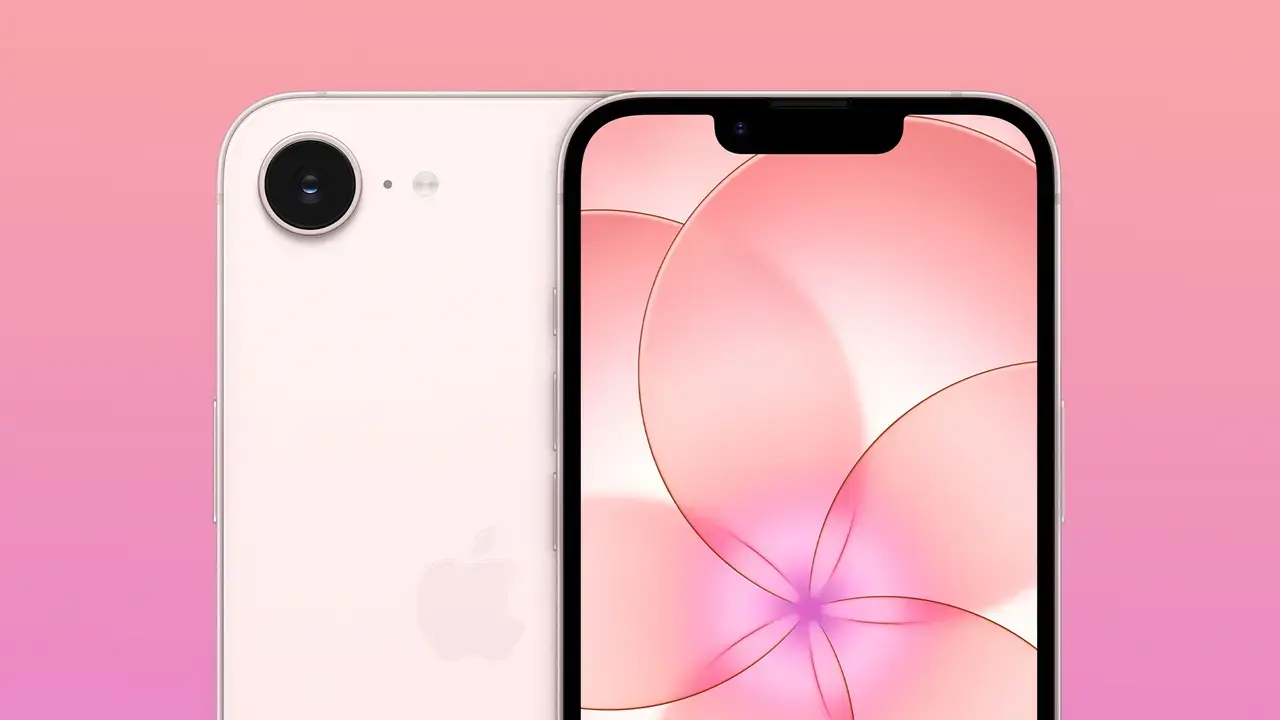
According to recent reports from the prominent tech leaker Digital Chat Station, Apple is expected to maintain a 60Hz refresh rate for its upcoming entry-level iPhone 18e, which is scheduled for release in 2027. The information, shared via Weibo, suggests that Apple will continue utilizing the same LTPS TFT display technology found in the iPhone 17e model. Consequently, the device will lack the fluid 120Hz ProMotion experience and the Always-On display functionality that have become standard features on Pro-series iPhones and many competing mid-range Android smartphones currently available on the market.
- The iPhone 18e will likely retain a 60Hz LTPS display panel to manage production costs.
- Apple continues to reserve 120Hz ProMotion and Always-On technology for its premium device lineup.
- The transition to advanced LTPO screen technology for budget models remains delayed until at least 2028.
Apple maintains a cautious strategy by prioritizing cost efficiency over high-refresh-rate displays in its entry-level smartphone segment.
The Transition to LTPO Display Technology is Delayed Until 2028
The industry has been closely monitoring Apple’s potential migration to low-temperature polycrystalline oxide (LTPO) panels. Recent reports originating from supply chain sources in Korea suggest that the company intends to wait until the fourth generation of its budget-friendly handsets before fully integrating this technology. LTPO panels offer the significant advantage of dynamic refresh rate adjustments, ranging from 1Hz to 120Hz, which effectively balances battery conservation with a smoother visual experience during heavy usage.
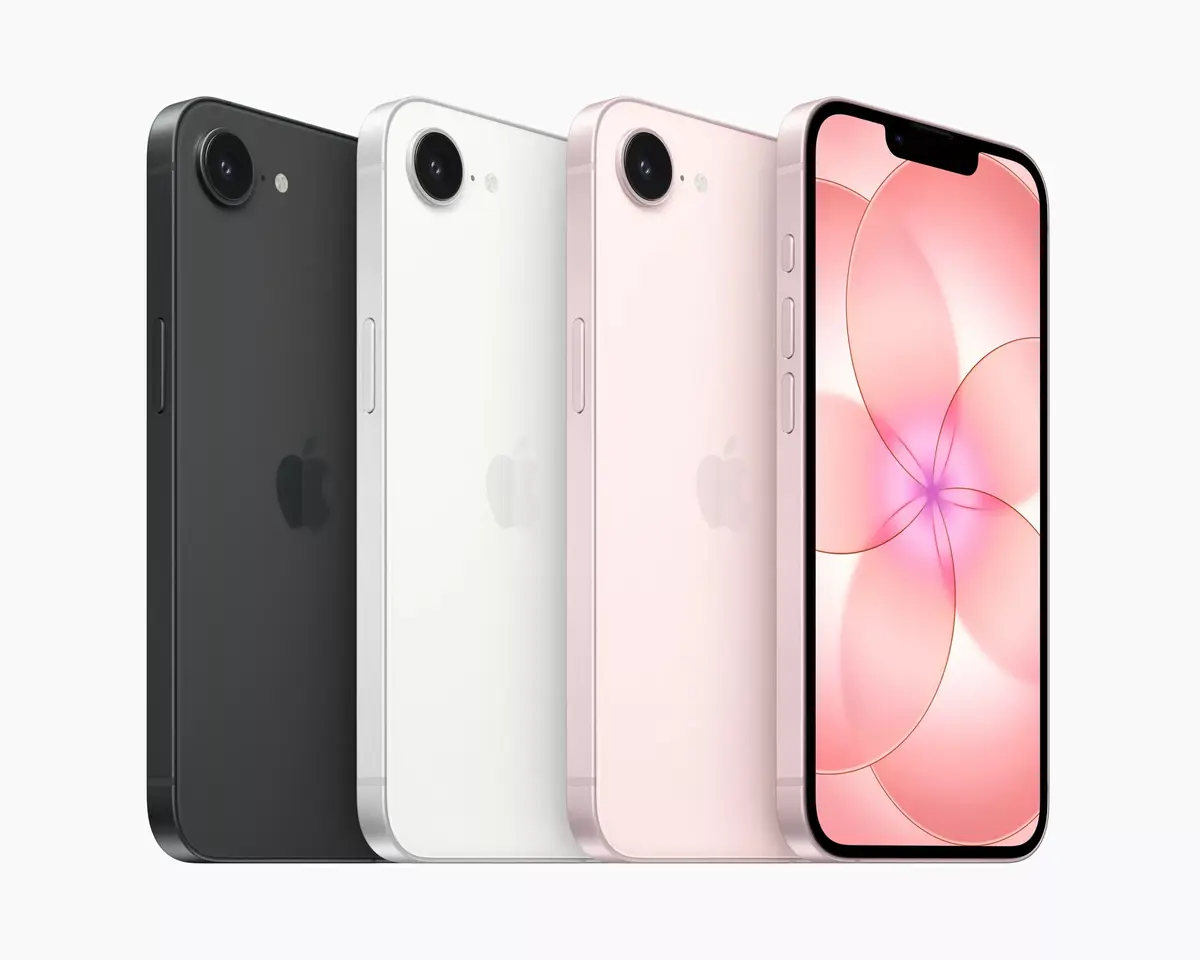
Industry analysts indicate that this technological leap is intrinsically linked to Apple’s ongoing development of the ‘LTPO+’ display architecture. This advanced design utilizes oxide semiconductors in both switching and driving transistors to optimize energy efficiency. Current projections suggest that Apple intends to reserve these superior panels for high-end products, such as the rumored iPhone Air and future foldable devices, before eventually scaling the technology down to the more affordable iPhone series.
Future Product Plans May Not Meet User Expectations
The long-term manufacturing roadmap for Apple remains subject to change depending on the readiness of the LTPO+ technology. Should this next-generation display hardware fail to reach mass production targets, it is highly probable that subsequent models, such as the iPhone 19e, will be subjected to similar hardware constraints. This indicates that the Cupertino-based tech giant is currently adopting a conservative approach toward integrating high-end display features into its more accessible product categories.
Technology enthusiasts continue to anticipate the year when high-refresh-rate screens will finally become a standard feature across all entry-level iPhone models.
As the market increasingly views 120Hz displays as a standard expectation even for mid-range Android devices, it remains a point of contention whether Apple’s persistence with 60Hz panels will affect its competitive edge. While some users prioritize device longevity and cost, others argue that high-refresh-rate displays are essential for a modern smartphone experience.
We would love to hear your perspective on this display strategy; do you believe a 120Hz refresh rate is a non-negotiable feature for budget-friendly smartphones, or do you prioritize battery efficiency and lower pricing above all else? Please share your thoughts in the comments section below.
Your comment has been submitted,
it will be published after approval.