
AMD Adrenalin Driver Update Disables Smart Access Memory

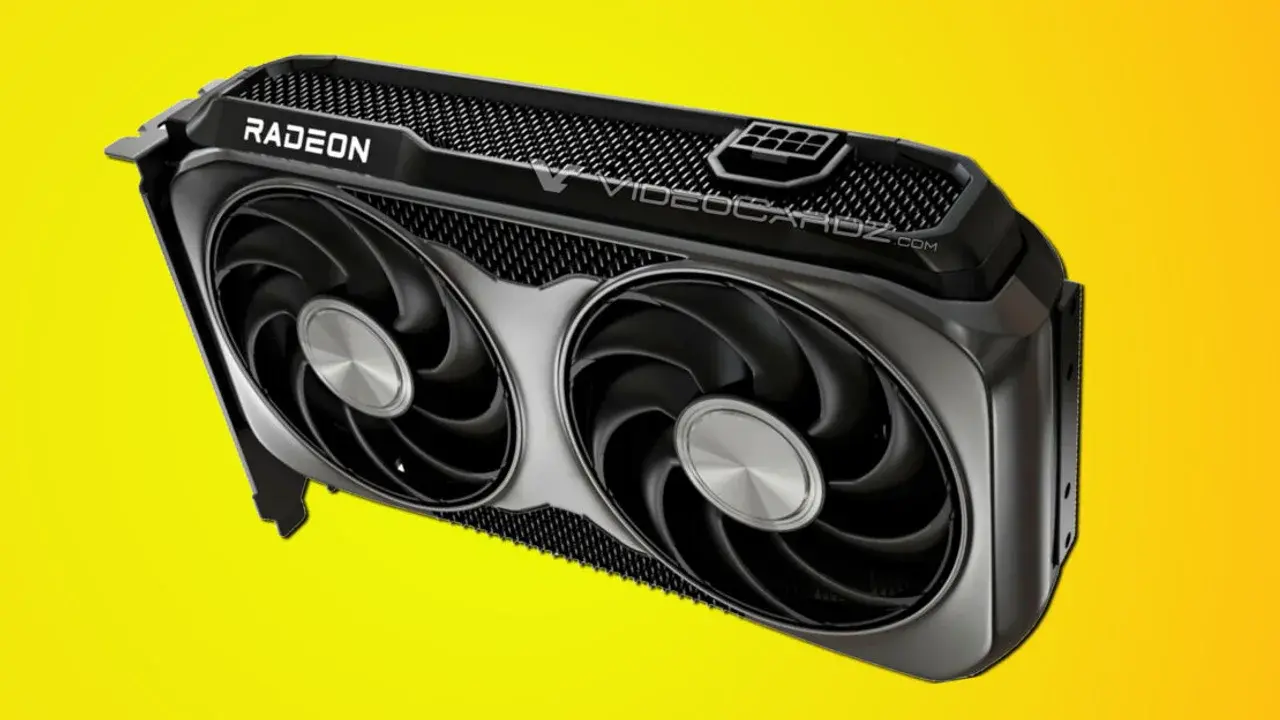
AMD users running Windows 10 have reported a significant technical flaw following the release of the Adrenalin Edition 26.1.1 driver update. This specific software release is causing the Smart Access Memory (SAM) feature to be disabled automatically without user intervention. By restricting the CPU’s ability to access the full capacity of the GPU memory, this error is resulting in noticeable performance degradation, frequent frame rate stutters, and overall system instability during gaming sessions. Although users have verified their BIOS settings and hardware compatibility, the conflict persists, suggesting that Windows 10 is currently misinterpreting Radeon graphic units under this driver version.
- The AMD Adrenalin 26.1.1 driver update triggers a conflict that forces the Smart Access Memory feature to deactivate on Windows 10 systems.
- Users report that the software automatically disables SAM support despite optimal BIOS configurations and hardware compliance.
- The driver malfunction leads to severe performance drops and decreased system stability during high-demand gaming tasks.
The Root Causes of the Problem Require Investigation
Smart Access Memory remains a vital technology designed to minimize bottlenecks by allowing the processor to utilize the entire GPU memory pool. However, the latest update has disrupted the synergy between Radeon hardware and the Windows 10 environment. 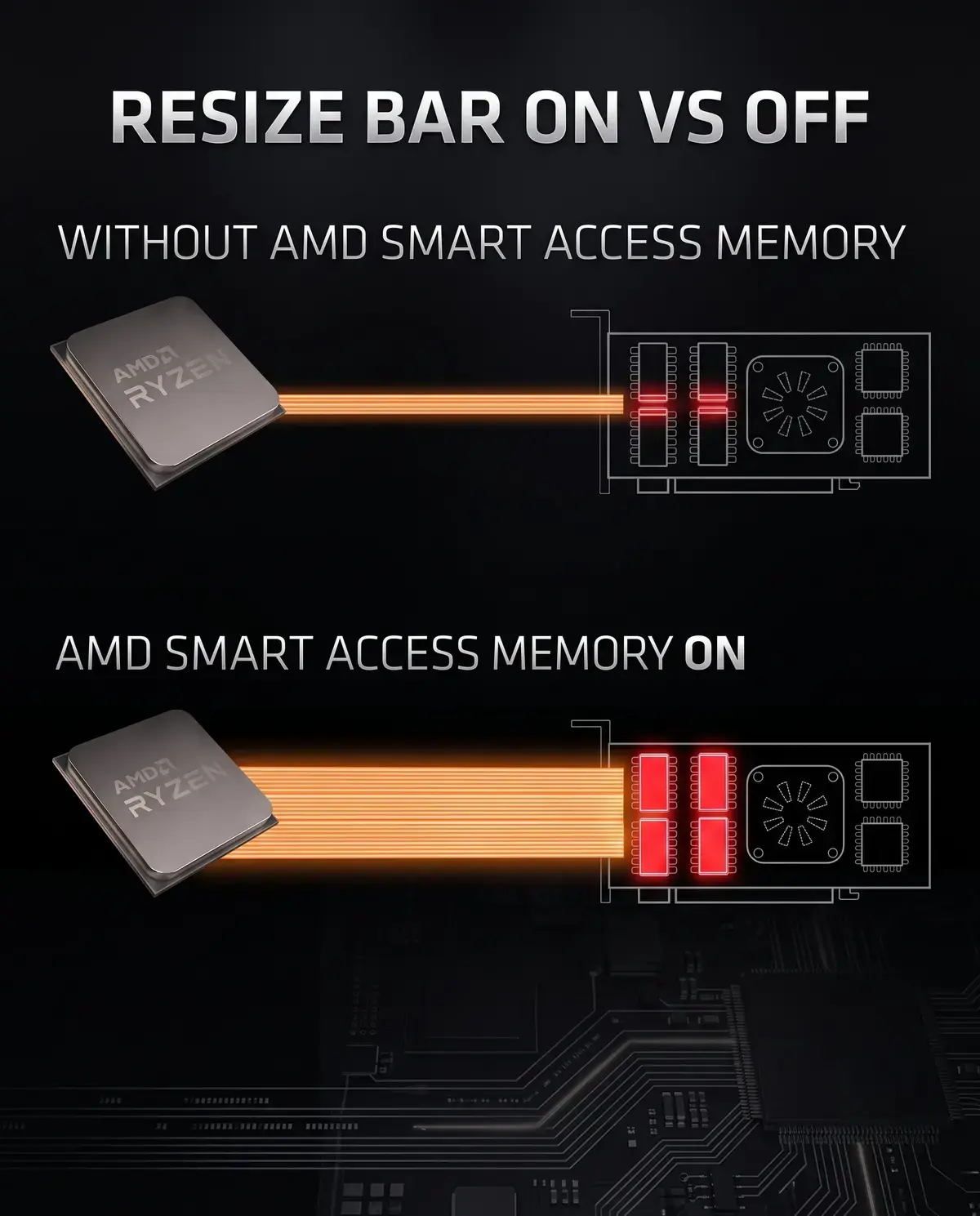 Many users have attempted to resolve the issue by performing a clean installation using the Display Driver Uninstaller (DDU) in safe mode, yet the software layer conflict persists regardless of these efforts.
Gaming performance suffers significantly due to this unforeseen driver error.
Users Attempt to Develop Temporary Workarounds
While the industry awaits an official patch from AMD, the community has begun exploring stop-gap measures to mitigate the impact. Some players have reported that reconfiguring variable refresh rate (VRR) settings within the Radeon software or verifying monitor refresh rates provides minor relief. Others suggest that multiple system reboots might force a more stable driver initialization, though these methods are largely inconsistent and fail to provide a permanent solution. Given that AMD previously addressed similar issues with the RX 7000 series via a rapid hotfix, expectations for a swift official update remain high. The company’s software engineering team is currently prioritizing the resolution of these driver conflicts to restore seamless integration with Windows 10.
AMD is expected to release a permanent driver update in the near future.
Updates Continue to Affect System Performance
Frequent hardware change notifications appearing on Windows 10 serve as a clear indicator of the ongoing incompatibility between the Adrenalin software and the operating system. When access to vital hardware resources is restricted, it inevitably leads to reduced frame rates and sudden system crashes, particularly during graphically intensive gaming sessions. Until an official statement or a corrective patch is issued by the manufacturer, it is highly recommended that users remain cautious with further updates and avoid making unnecessary changes to their system configurations. The tech community continues to monitor the situation closely as more users share their experiences with the latest driver package.
Have you experienced a drop in performance or encountered this Smart Access Memory issue on your own gaming rig? Please share your experience and any temporary fixes you have discovered in the comments section below to help other users struggling with this update.
Your comment has been submitted,
it will be published after approval.