
China’s New GLM-5.2 Model Challenges Anthropic’s Mythos Capabilities


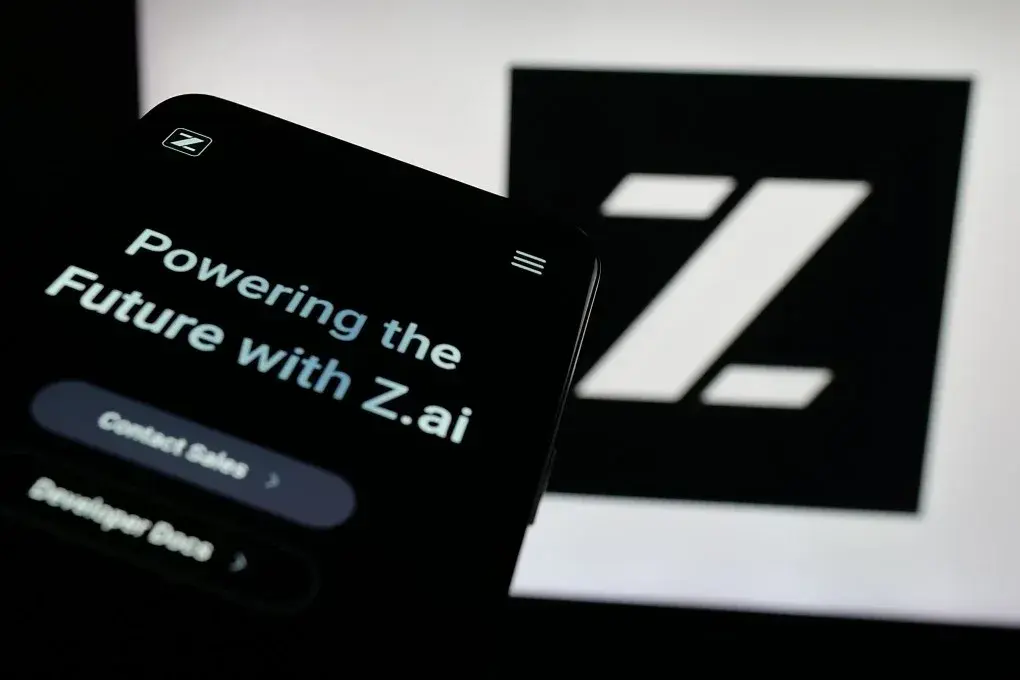
Beijing-based Zhipu AI has officially released its latest open-weight artificial intelligence model, GLM-5.2, signaling a rapid advancement in China’s domestic technological capabilities. Industry researchers have observed that this model demonstrates performance metrics comparable to Anthropic’s Mythos in specialized tasks, particularly concerning cybersecurity analysis and software vulnerability detection. While the model currently trails behind American counterparts like OpenAI in general-purpose intelligence, the release of GLM-5.2 highlights a significant narrowing of the technological gap between China and the West, prompting renewed international debate regarding the safety and proliferation of high-performance, open-weight AI systems in global markets.
- Zhipu AI launched the GLM-5.2 open-weight model to compete with top-tier Western AI systems.
- The model exhibits advanced capabilities in cybersecurity and automated error detection.
- The United States government continues to restrict access to advanced hardware used for training such powerful models.
- The open-weight nature of the software creates significant challenges for traditional oversight and security monitoring.
Global Security Concerns Are Escalating Due to AI Capabilities
The emergence of models like GLM-5.2 has intensified scrutiny from the United States government regarding national security. Washington has implemented stringent export controls to prevent Chinese firms from accessing the high-end hardware required to train large-scale neural networks. Officials fear that if foreign entities gain parity with domestic tools like Mythos or Fable, the landscape of digital warfare could shift permanently.
Advanced AI models capable of identifying zero-day vulnerabilities now represent a primary national security threat.
Open-Weight Models Present New Oversight Challenges
The architecture of GLM-5.2, which allows users to download and run the model on standard consumer-grade hardware, provides substantial flexibility for researchers and developers. However, this accessibility fundamentally complicates the implementation of safety guardrails. Unlike cloud-based API systems, where providers can monitor and restrict usage, an open-weight model effectively removes central oversight once the files are distributed.
Security experts have expressed concern that these decentralized tools could be leveraged by malicious actors to automate complex cyberattacks without leaving a digital footprint. As the barriers to entry for deploying sophisticated AI plummet, the risk of non-state actors utilizing these technologies for offensive operations increases significantly. The industry is now grappling with the trade-off between fostering innovation through open-source developments and mitigating the dangers posed by powerful, unregulated AI models.
Technological Parity Changes the Global Landscape
The recent trajectory of Chinese AI development suggests that the era of Western technological dominance is being challenged by rapid iteration and public releases. While global leaders like OpenAI have restricted access to their latest systems, such as the GPT-5.6, due to potential misuse, the move by Zhipu AI to release GLM-5.2 stands in stark contrast. This divergence in philosophy between proprietary safety-first models and open-weight accessibility will likely define the regulatory discourse for the coming decade.
Given the rapid development of these powerful tools, do you believe the benefits of open-weight models outweigh the potential security risks they pose? Share your perspective in the comments section below.
Your comment has been submitted,
it will be published after approval.