
Sony Clarifies PlayStation New Game Strategy and Hardware Vision

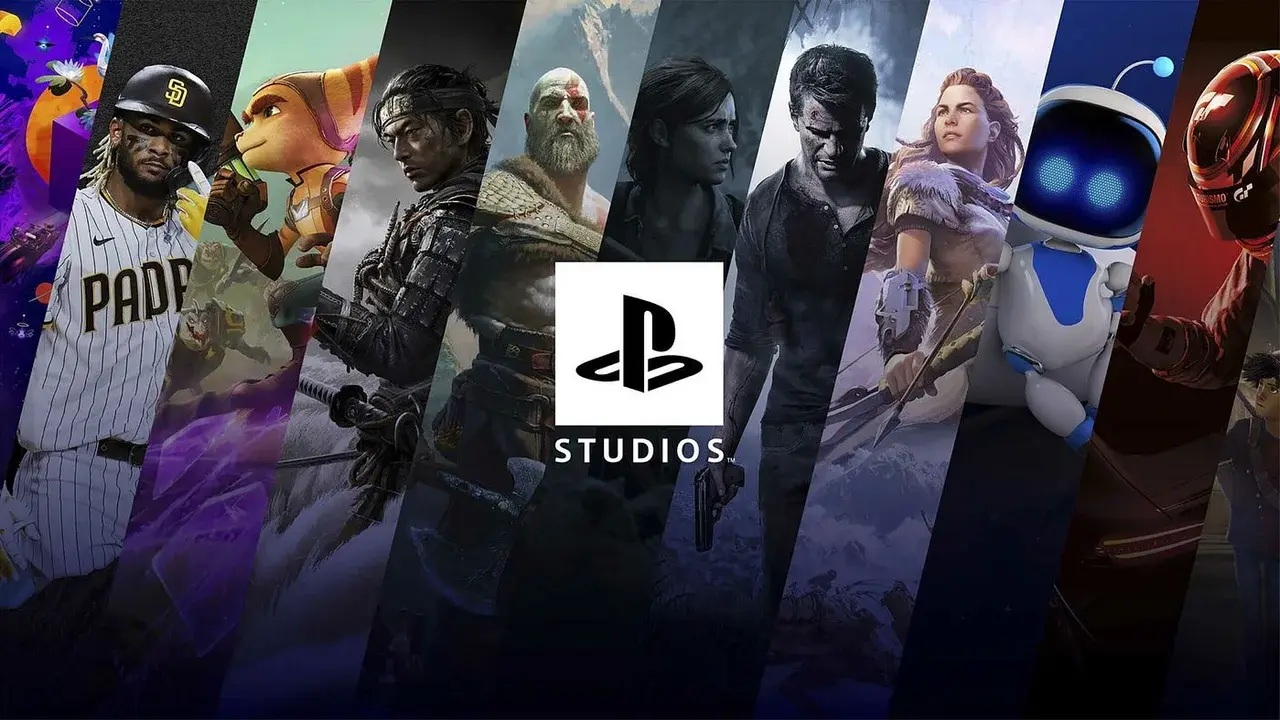
Sony Interactive Entertainment CEO Hideaki Nishino has formally outlined the future PlayStation new game strategy, reaffirming a commitment to balancing high-budget, single-player console experiences with a robust live-service ecosystem. Speaking on the company’s long-term vision, Nishino emphasized that while Sony continues to prioritize its flagship narrative-driven titles for the PlayStation 5, the firm is aggressively expanding its footprint across PC and cloud-based gaming. By integrating cross-platform support and exploring flexible hardware form factors, Sony aims to adapt its software ecosystem to modern consumer habits while maintaining the distinct identity of its proprietary console hardware.
- Sony intends to maintain its primary focus on single-player experiences for PlayStation consoles while simultaneously expanding its live-service catalog on PC.
- The company continues to invest in cloud streaming technologies to increase user engagement beyond traditional home console setups.
- Internal data shows a 1.5-fold increase in cloud gaming users between December 2025 and January 2026, signaling high demand for flexible access.
Live Service Games Drive Platform Expansion
The push into live-service gaming remains a cornerstone of Sony’s growth strategy. Despite facing challenges with specific titles such as Concord and Marathon, the company views these projects as essential for building sustained, long-term player communities. Sony is leveraging its internal development resources alongside third-party collaborations, such as the upcoming MARVEL Tōkon: Fighting Souls, to diversify its offerings.
Sony remains committed to its live-service initiatives despite initial market hurdles.
Nishino noted that the strategy extends beyond new launches, involving integrated campaigns that support existing titles. By offering in-game incentives for popular games like Genshin Impact, Sony is effectively utilizing its ecosystem to drive engagement. On the PC front, the company selects titles based on their potential to reach mass audiences, ensuring that narrative-driven, single-player exclusives remain the hallmark of the PlayStation console experience.
New Hardware Solutions Address Modern Player Needs
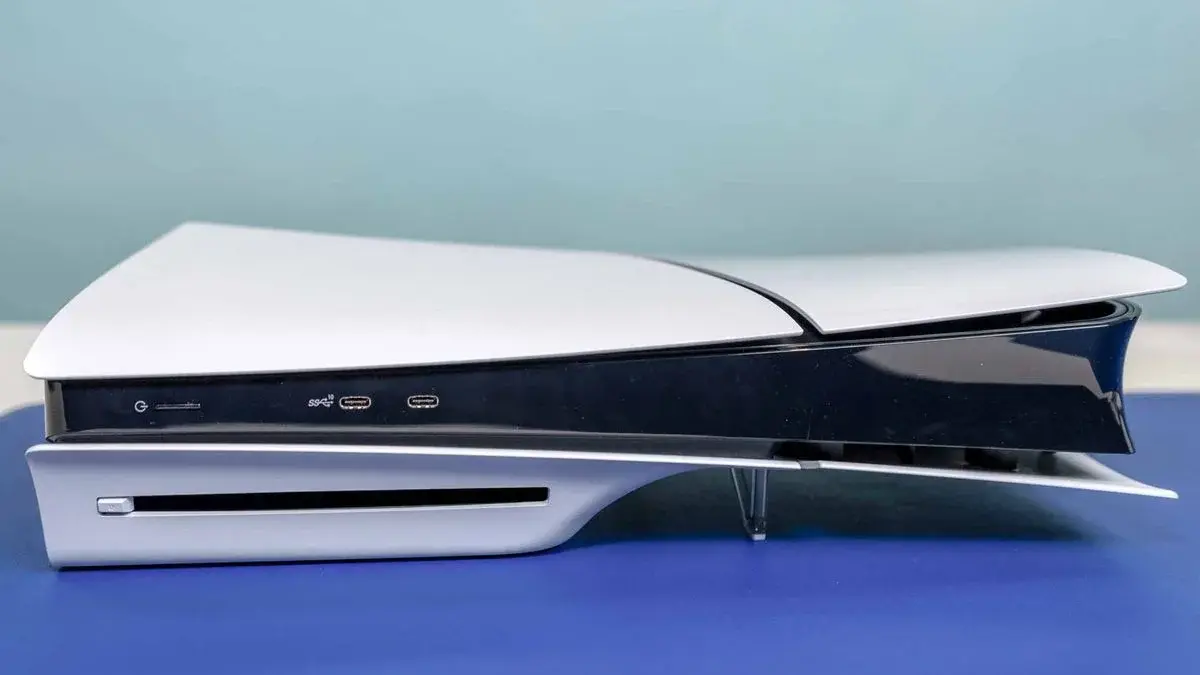
While the software landscape evolves, Sony maintains that dedicated gaming hardware is vital to its brand identity. Nishino highlighted the company’s focus on creating technology that fits into various environments, moving away from the assumption that all gaming must occur in a living room. The success of the PlayStation Portal serves as a primary example of this shift toward portable and flexible play.
Cloud streaming has proven to be a critical catalyst for this growth. Following the implementation of enhanced cloud features in late 2025, user participation surged significantly by early 2026. This data confirms that players are increasingly seeking ways to access their libraries outside of traditional constraints. To further support this trend, Sony is reportedly planning to expand its peripheral lineup, including monitors and high-quality audio solutions, to ensure a premium experience regardless of the user’s location.
Sony is actively exploring new hardware form factors to meet shifting consumer demands.
Although a formal announcement regarding a dedicated, next-generation handheld console has yet to materialize, the strategic focus on mobility suggests that the company is laying the groundwork for future developments in portable gaming. By blending classic console heritage with modern, versatile hardware, Sony is positioning itself to lead in both the living room and the mobile space.
How do you feel about Sony’s transition toward a more flexible, multi-platform gaming environment? We invite you to share your thoughts on whether a new dedicated handheld device is the missing piece in their hardware strategy.
Your comment has been submitted,
it will be published after approval.