
AMD Zen 6 Architecture Introduces New Low-Power Core Technology


AMD is set to significantly expand its processor capabilities with the upcoming Zen 6 architecture, which will feature a new class of low-power cores. Recent disclosures from Linux kernel patches reveal that the company plans to integrate a third, highly efficient core type alongside the traditional Zen 6 and Zen 6C variants. Expected to debut around 2027, this innovation is designed to enhance energy efficiency during background tasks and idle states. By incorporating this specialized core into the upcoming Medusa APU lineup, AMD aims to redefine its hybrid core strategy and set new benchmarks for power consumption in future computing devices.
- AMD integrates a third low-power core type into the Zen 6 architecture to optimize energy consumption.
- The new core design targets background processes and idle states to improve overall system efficiency.
- The upcoming Medusa APU series will serve as the primary platform for these Zen 6 architecture advancements.
- Technical documentation in Linux kernel updates confirms the architectural classification of these low-power cores.
AMD Enhances Its Hybrid Core Strategy
AMD is advancing the hybrid processor design established during the Zen 4 and Zen 5 generations. While competitors have utilized different instruction sets for power and performance, AMD maintains a unified x86 instruction set architecture across its core types. The addition of the low-power Zen 6 variant completes a three-tier strategy, allowing the operating system to allocate tasks more intelligently based on the specific power profile required by the workload.
These low-power cores promise to radically improve device energy efficiency.
Technical documentation found within recent Linux kernel patches provides insight into how the operating system recognizes these new architectural components. By categorizing these units separately from standard performance cores, AMD enables granular power management. This allows the processor to transition seamlessly between core types, ensuring that thermal output and battery drain are kept to an absolute minimum during light usage scenarios.
Medusa APU Architecture Supports New Technologies
The highly anticipated Medusa APU platform will be the first to feature this three-tiered core configuration. By combining standard Zen 6 cores, compact Zen 6C cores, and the new energy-sipping Zen 6LP units, AMD plans to offer unprecedented flexibility. 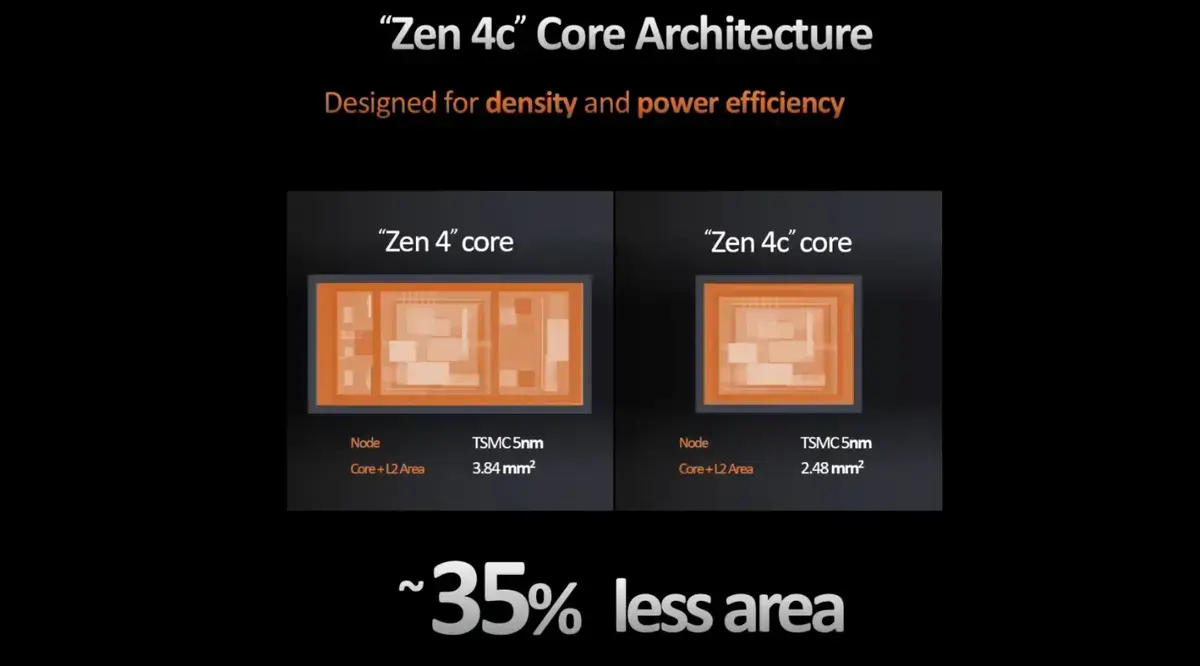 This architecture is expected to make its official market debut during the 2027 CES trade show, marking a major milestone in mobile computing performance.
The innovations within the Zen 6 architecture redefine the balance between performance and efficiency for portable devices.
This strategic move is particularly beneficial for modern operating systems that rely heavily on persistent background operations. The CPUID identification system for these cores allows the hardware to manage boost frequencies and thermal limits with greater precision than previous generations. By offloading maintenance tasks and background processes to the low-power cores, the system preserves battery life and reduces heat, providing a more stable experience for users regardless of the task intensity.
How much of an impact do you believe these low-power cores will have on the battery life of future laptops? Share your thoughts and predictions in the comments section below.
Your comment has been submitted,
it will be published after approval.