
WhatsApp Username System Faces Regulatory Scrutiny Over Security Concerns

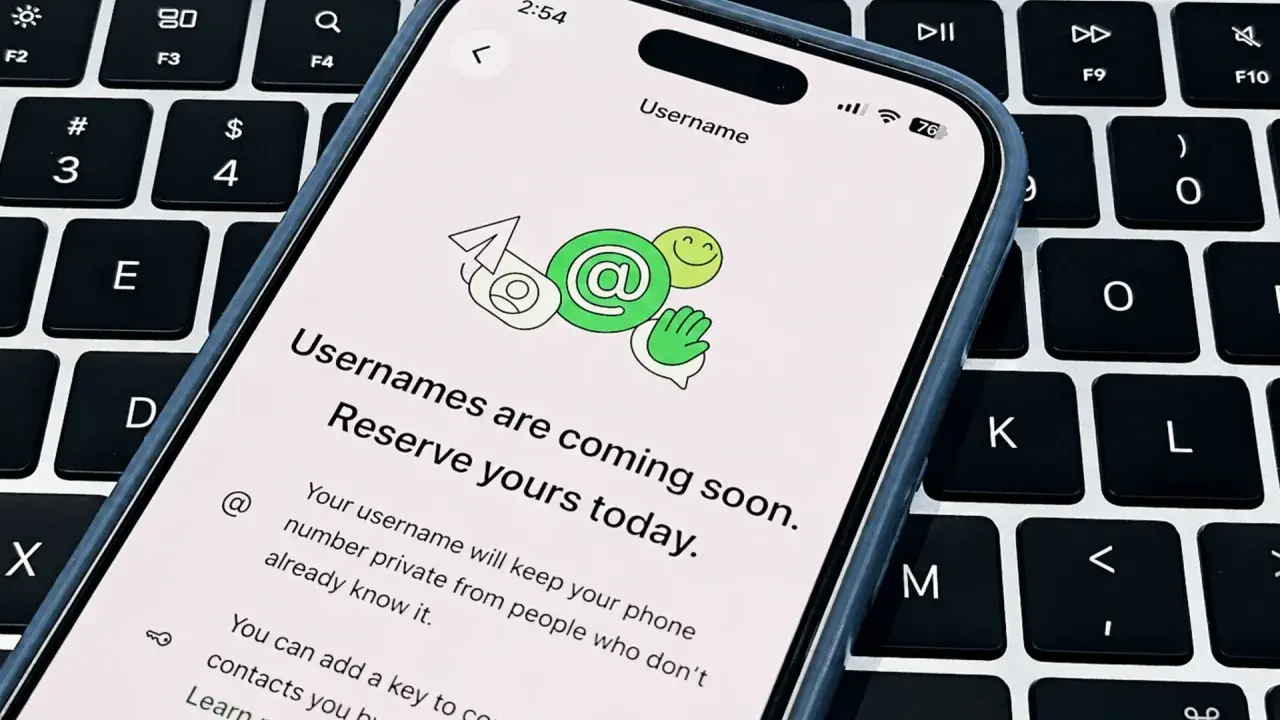
WhatsApp has officially introduced a new username system ahead of its broader global rollout scheduled for later this year, allowing users to connect without disclosing their personal phone numbers. While Meta promotes this feature as a significant enhancement for user privacy, it has triggered widespread debate among security experts and regulatory bodies, particularly in India, the platform’s largest market. The initiative represents a fundamental shift in how digital identities are managed on the service, yet concerns regarding impersonation and potential exploitation by malicious actors have led to calls for greater oversight of the new WhatsApp username framework.
- Meta is rolling out a username-based identification system to replace mandatory phone number sharing for user interactions.
- The Indian government has requested a suspension of the rollout until security risks regarding impersonation and fraud are addressed.
- Security experts warn that the system could inadvertently facilitate phishing and digital identity theft if not strictly regulated.
- Meta has confirmed that it is pre-reserving specific usernames for public figures and government institutions to mitigate misuse.
Regulators remain deeply skeptical about the platform’s ability to prevent high-profile impersonation attempts during the initial launch phase.
Indian Authorities Seek Clarification on Security Risks
Initial testing of the platform revealed that usernames mirroring prominent political figures, celebrities, and major organizations could be easily claimed by unauthorized individuals. Consequently, the Indian Ministry of Electronics and Information Technology issued a formal warning to WhatsApp, citing fears that such gaps could fuel online scams, sophisticated phishing campaigns, and digital extortion. 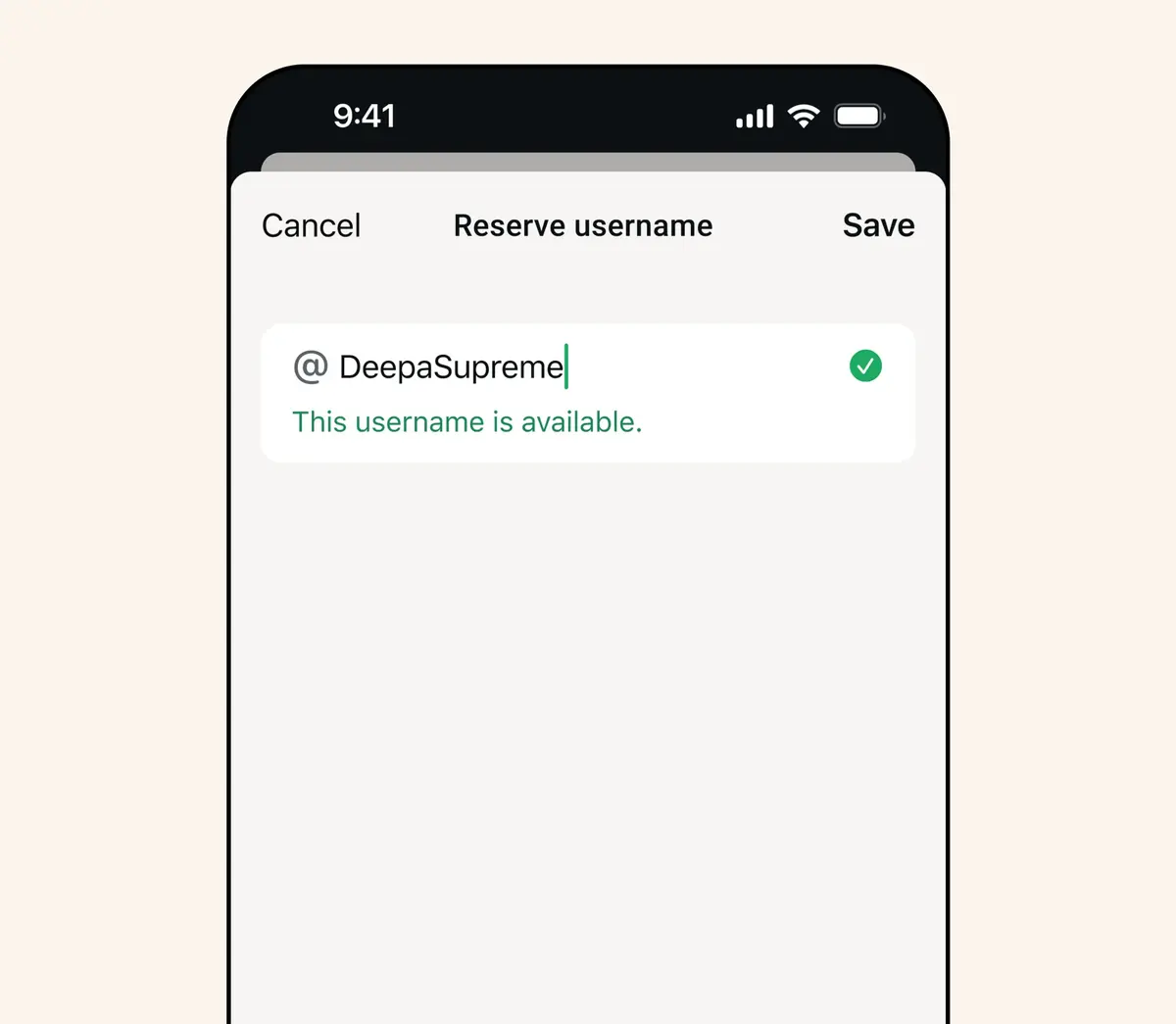
The ministry has formally requested that WhatsApp provide a detailed risk assessment and postpone the full-scale deployment of the feature until regulatory compliance is ensured. While this intervention represents a significant hurdle for Meta, the move has drawn mixed reactions from digital rights organizations, such as the Internet Freedom Foundation, which questioned the legal basis for such a restrictive government mandate.
Meta Addresses Potential Impersonation Threats
In response to the growing backlash, Meta stated that they have proactively reserved a subset of usernames associated with government bodies and high-profile public entities. However, the company has declined to provide granular details regarding the specific criteria used for these reservations or the full scope of the protected list.
Industry experts like Rachel Tobac, CEO of SocialProof Security, acknowledge the privacy benefits of decoupling accounts from phone numbers. Nevertheless, Tobac cautioned that the ease of creating similar-sounding handles creates a new vector for social engineering. She suggests that users should opt for unique, unpredictable usernames to minimize the risk of being targeted by impersonators.
The company maintains that it is carefully reviewing all feedback to ensure a secure transition before the end of the year.
Privacy Strategies Face Wider Industry Criticism
The Mozilla Foundation has also voiced concerns, linking the username rollout to Meta’s broader strategy of unifying digital identities across its portfolio of applications. Critics argue that integrating these systems could create a centralized point of failure for user privacy. Meanwhile, users on other platforms, including Binance founder Changpeng Zhao, have noted inconsistencies in username availability, further highlighting the complexities of managing a global identity database.
As Meta navigates these challenges, the company insists that the rollout will continue in a slow, controlled manner. Future updates are expected to address the feedback gathered from these early testing phases, as the company seeks to balance user privacy demands with the necessity of maintaining a secure communication environment.
We are curious to hear your perspective on this update: Do you believe that replacing phone numbers with usernames will truly enhance your WhatsApp experience, or does it introduce unnecessary risks to your digital security? Share your thoughts in the comments section below.
Your comment has been submitted,
it will be published after approval.