
iOS 27 Update Challenges 15 Years of Muscle Memory

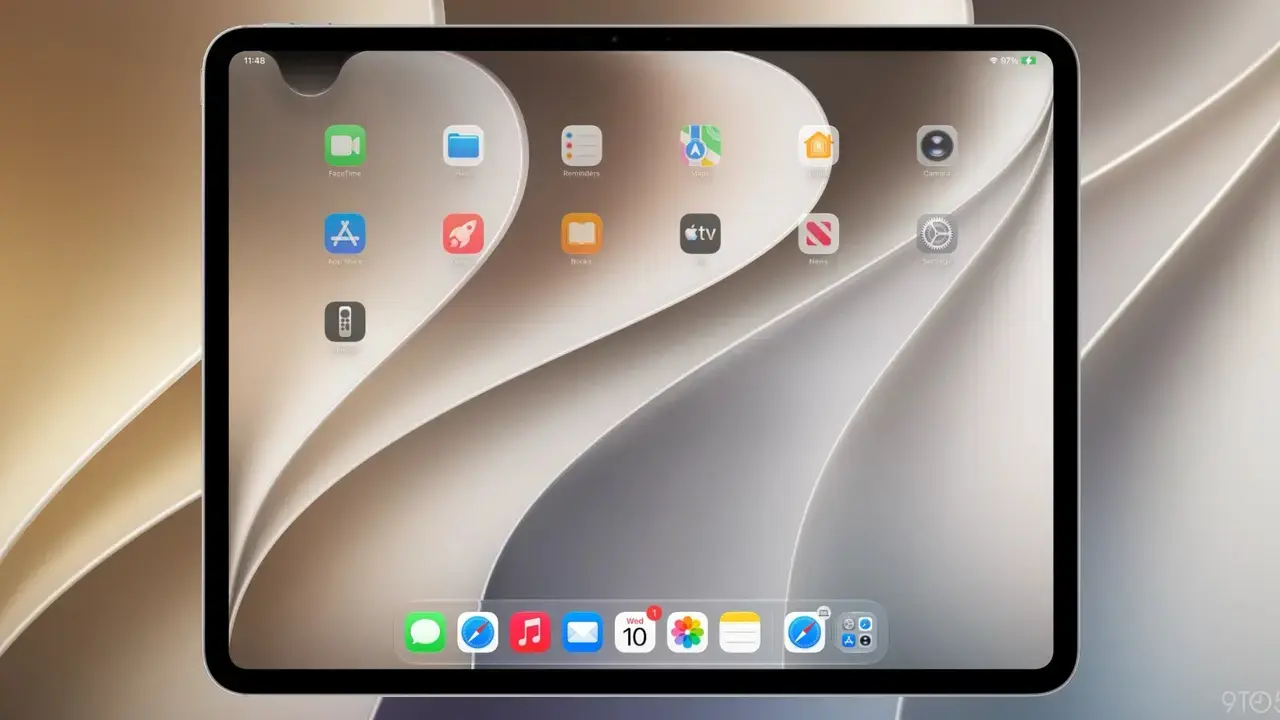
Apple is currently testing a transformative update in iOS 27 that alters fundamental user habits established since 2011. With the introduction of advanced AI integration into the Siri framework, the company is fundamentally changing how iPhone and iPad users access the Notification Center. For over a decade, users have relied on the intuitive gesture of swiping down from the center-top of the screen to view incoming alerts. As evidenced in the latest beta versions, this familiar action now triggers the new Siri AI interface, signaling Apple’s aggressive strategy to prioritize artificial intelligence at the core of the user experience.
- The iOS 27 update reassigns the top-center swipe gesture to activate the new Siri AI interface.
- Access to the Notification Center is now restricted to the top-left corner of the display.
- Apple is restructuring the screen layout to prioritize rapid interaction with generative artificial intelligence tools.
Siri AI Takes Over Primary Interface Gestures
The transition within iOS 27 and iPadOS 27 marks a significant shift in how operating system navigation is perceived by long-term users. While the basic functionality remains intact, the implementation of Siri AI changes the underlying logic of the device interface.  Users who have spent years conditioned to access notifications through a simple downward swipe must now adapt to a new sensory workflow. This change effectively forces a departure from the established interaction standards that have defined the mobile ecosystem for nearly fifteen years.
Apple is actively pushing users to adopt the top-left corner as the primary access point for the Notification Center.
Notification Center Migrates to the Top-Left Corner
The design modifications are particularly visible in the latest iPadOS 27 beta releases, where the area previously reserved for notifications is now dedicated to AI-driven features. The screen real estate above app icons has been repurposed to ensure that the AI assistant remains accessible at all times. 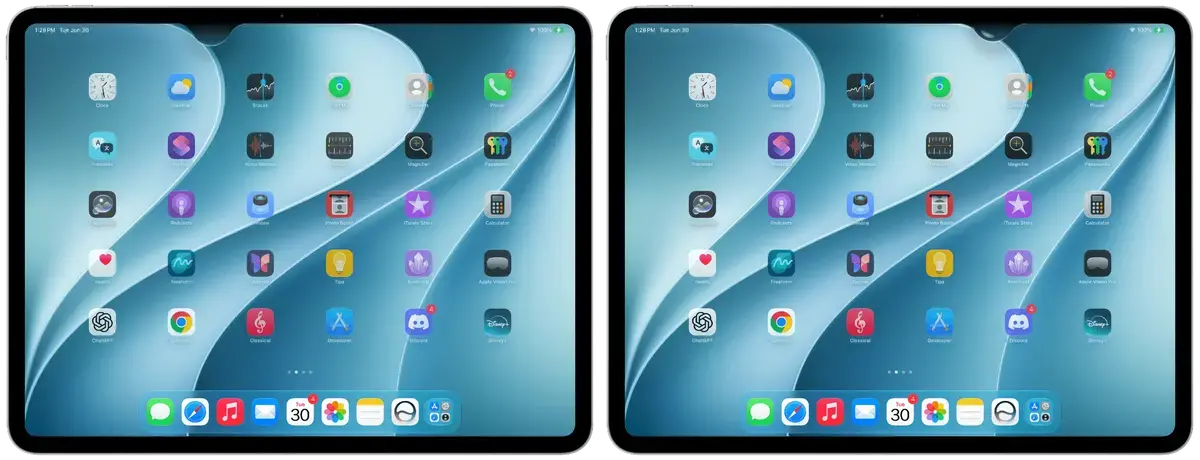 Following initial feedback, Apple refined the layout in subsequent builds to maintain a clear distinction between the Notification Center on the left and the Control Center on the right. This structural adjustment aims to create a logical hierarchy between standard system tools and emerging intelligent assistants.
Muscle Memory Requires Extensive Rebuilding
This is not the first time Apple has introduced radical interface changes to its mobile devices. The transition from the home button to gesture-based navigation on the iPhone X forced a similar period of adjustment for millions of customers. However, the current shift in iOS 27 is arguably more profound, as it replaces a gesture that users perform dozens of times daily. While early adopters report that the performance of the new AI is impressive, the difficulty of unlearning long-standing habits remains a central point of contention within the tech community.
The shift represents the most significant change to the core iPhone navigation logic since the introduction of the modern gesture system.
Does this shift in navigation logic represent a necessary evolution for AI integration, or is Apple making the user interface unnecessarily complex? We invite you to share your thoughts and experiences with the new gesture system in the comments section below.
Your comment has been submitted,
it will be published after approval.