
Steam Machine Faces Backlash Over Red Line of Death

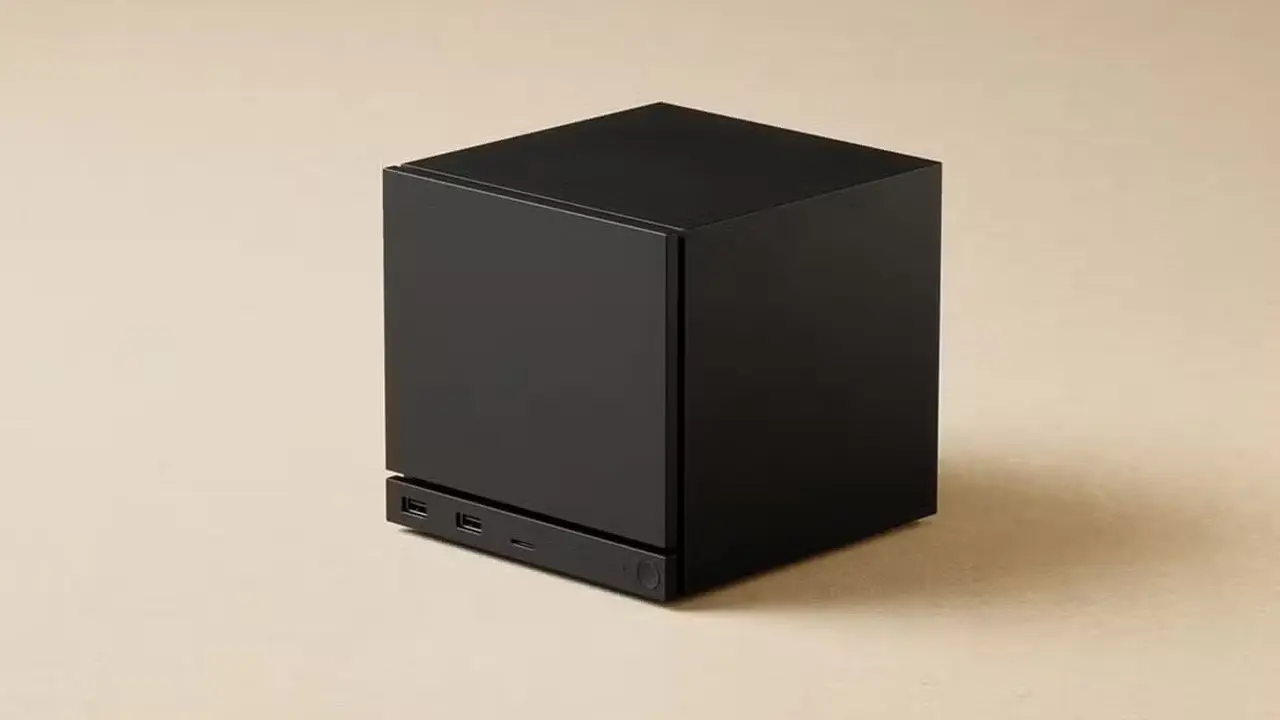
A critical hardware failure known as the Red Line of Death (RLOD) has emerged in early Steam Machine units, sparking widespread concern among the gaming community. Recently, a user reported that their brand-new device ceased functioning just 20 minutes after initial setup, displaying a persistent red line across the chassis. This error code indicates a catastrophic failure within the onboard graphics processing unit (GPU), rendering the system completely unresponsive. As these units begin to reach customers, this hardware malfunction raises significant questions regarding the long-term reliability and build quality of the Steam Machine platform compared to traditional gaming hardware.
- The identified RLOD error signifies a terminal hardware failure localized within the device’s GPU component.
- Technical reports confirm the failure occurred within the first 20 minutes of operational usage.
- The integration of the GPU directly onto the motherboard prevents users from performing standard hardware repairs or upgrades.
- High retail pricing has intensified consumer scrutiny regarding the overall quality control standards of the device.
Historical Hardware Failures Repeat Themselves
The gaming industry has long grappled with high-profile hardware failure patterns, most notably the Xbox 360’s infamous Red Ring of Death and the PlayStation 3’s Yellow Light of Death. Similar to these historical precedents, the Steam Machine utilizes a specific visual diagnostic system to alert owners to internal systemic issues. According to official Steam support documentation, the RLOD acts as a definitive indicator that the graphics processor has suffered an irreparable fault. While the platform is not a traditional console, this reliance on proprietary hardware creates a bottleneck for users attempting to diagnose or fix the root cause of the system’s inability to boot.
The permanent soldering of the GPU to the motherboard forces users to rely exclusively on warranty replacements rather than individual part repairs.
Hardware Limitations Complicate User Repairs
In a standard gaming PC configuration, a GPU failure is a manageable inconvenience that can be solved by simply swapping the card for a new model. 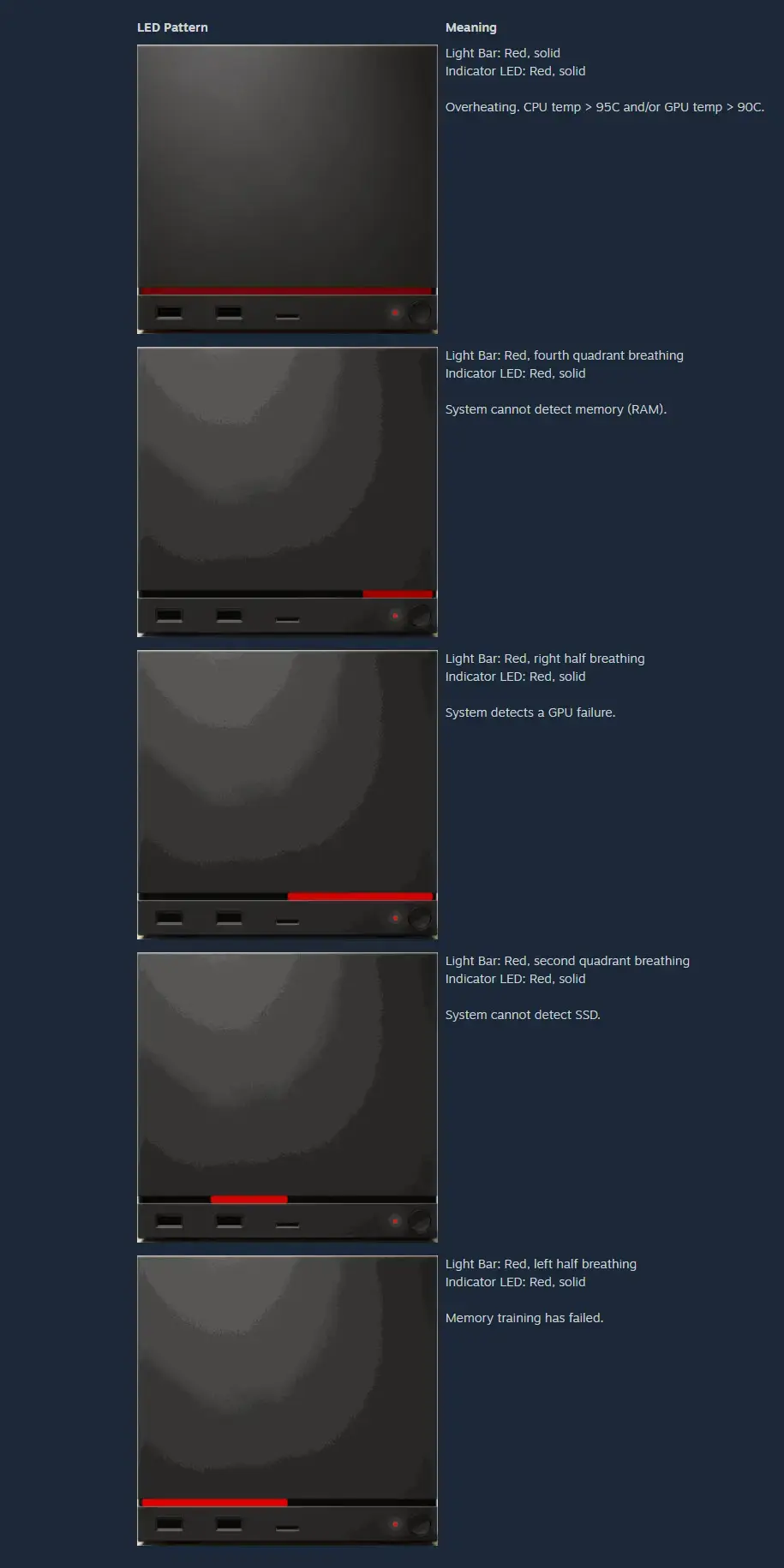 However, the unique architectural design of the Steam Machine renders this modular repair process impossible. Because the internal components are tightly integrated, owners must return the entire unit to the manufacturer, leading to extended downtime and logistical challenges. This limitation is particularly frustrating for early adopters who expected the flexibility associated with PC gaming.
Although the technical specifications of the Steam Machine appear robust on paper, the product struggles to maintain a competitive advantage given its premium price point. With SteamOS expanding its reach to other platforms, the necessity for specialized, high-cost hardware has come under heavy scrutiny. It remains to be seen whether this RLOD issue represents a widespread manufacturing defect or if it is confined to a small batch of initial production units.
The long-term success of the platform depends on how effectively the manufacturer addresses these early hardware durability concerns.
We invite you to share your thoughts on whether the performance benefits of specialized gaming systems outweigh the potential risks of such chronic hardware failures. Have you encountered similar technical issues with your own gaming equipment?
Your comment has been submitted,
it will be published after approval.