
Samsung Announces 20% DRAM Price Hike for Q3 2026

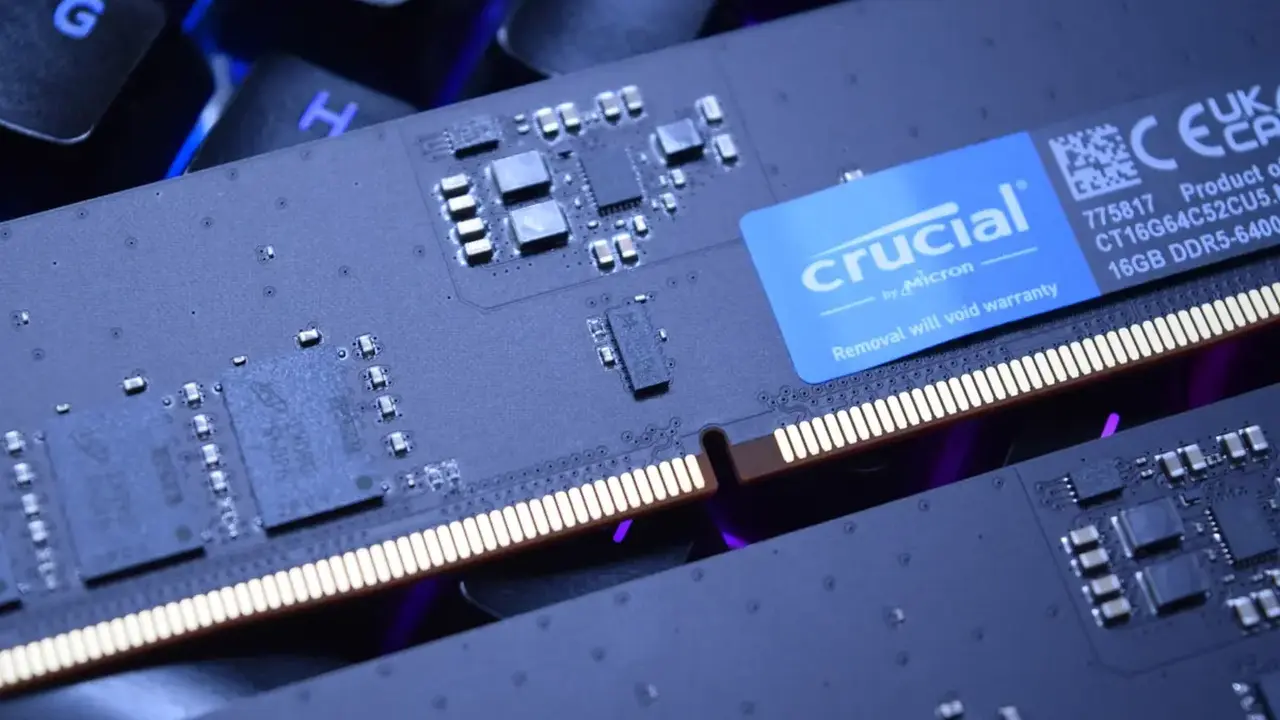
Tech giant Samsung Electronics is set to implement a significant price increase exceeding 20% for its DRAM products, including critical LPDDR modules for mobile devices and general-purpose server memory, in the third quarter of 2026. This move follows an aggressive pricing strategy earlier this year, which saw hikes of 90% in the first quarter and 50% to 60% in the second. As the South Korean manufacturer continues to exert pressure on the market, the sustained “chip inflation” threatens to disrupt the global consumer electronics landscape by further straining supply chains and increasing production costs for original equipment manufacturers worldwide.
- Samsung plans to raise DRAM prices by more than 20% during the third quarter.
- Cumulative price increases exceeding 150% have pushed manufacturing costs to record levels this year.
- Samsung’s market strategy contrasts with SK Hynix, which maintains more stable pricing through its HBM-focused portfolio.
- Long-term capacity expansion projects valued at $800 billion remain unlikely to lower market prices in the near term.
Samsung Continues to Execute Aggressive Pricing Strategies
Reports from ZDNET indicate that Samsung is currently finalizing negotiations with DRAM clients to solidify this quarterly price hike. This strategy places immense financial pressure on manufacturers of servers and mobile hardware, who are already struggling with elevated component costs. While rival SK Hynix has managed to offer a more predictable pricing structure by leveraging its specialized High Bandwidth Memory (HBM) products and long-term partnerships, Samsung’s dominant position in the broader commodity DRAM market makes its pricing shifts feel more volatile for the rest of the industry.
Persistent surges in DRAM costs are directly inflating the retail prices of final consumer electronics.
Long-Term Agreements Shape Market Dynamics
The semiconductor industry is increasingly relying on long-term agreements (LTAs) to secure supply, yet these contracts are failing to provide the expected price relief. Instead, these agreements often establish a high price floor that effectively eliminates the possibility of cost reductions for smaller players. Specifically, the contract price for essential components like the LPDDR5X 12GB module has climbed by approximately $68.80 since the beginning of the year, reaching a peak of $145. This drastic shift significantly compresses the profit margins of hardware manufacturers, forcing them to either absorb the losses or pass the burden onto the end-user.
Capacity Expansion Plans Offer Only Long-Term Solutions
Major industry players, including Samsung and SK Hynix, have committed to an ambitious $800 billion investment plan aimed at scaling up memory chip production capacity. However, because this massive infrastructure initiative is structured to span the next decade, it provides little immediate relief for the current supply-demand imbalance. Industry analysts warn that the existing bottlenecks in production will likely keep technology companies trapped in a cycle of high-cost procurement for the foreseeable future.
The relentless upward trajectory of memory prices is poised to have profound implications for the global technology market through the end of 2026.
How do you anticipate these ongoing DRAM price hikes will affect the cost of your next smartphone or laptop purchase? We invite you to share your thoughts on the future of the memory market and its impact on consumer technology in the comments section below.
Your comment has been submitted,
it will be published after approval.