
iPhone 17 Pro Max Buried in 250-Year Time Capsule

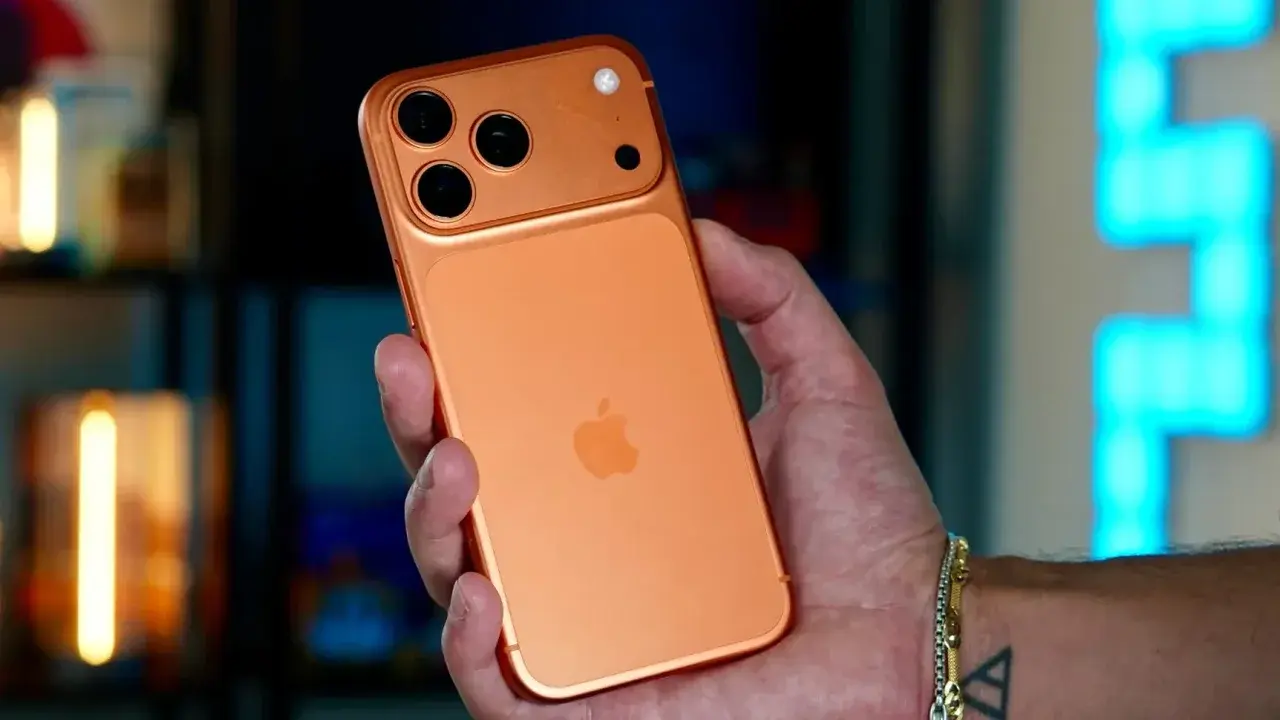
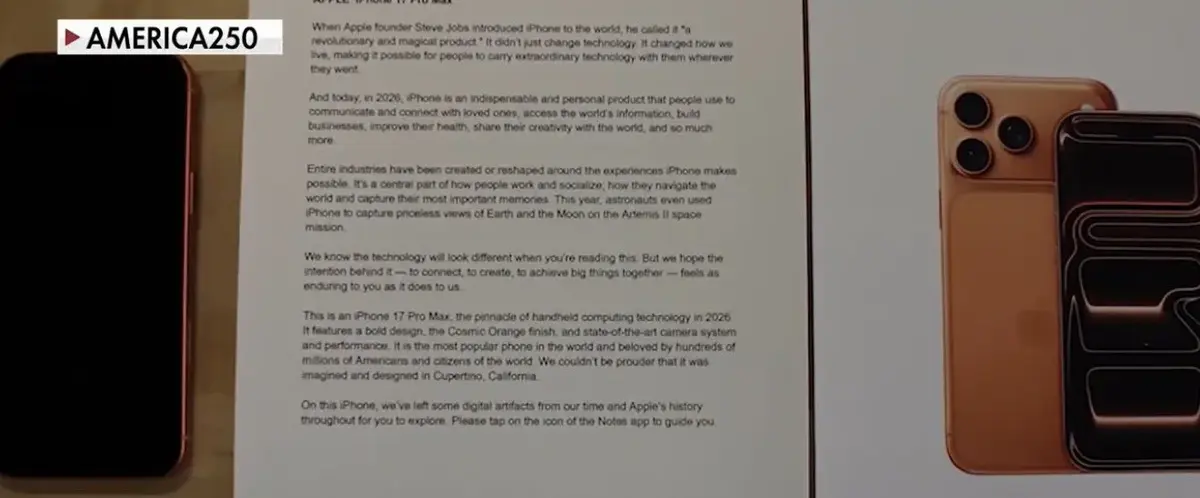
In a historic move to commemorate the 250th anniversary of the United States, officials have officially sealed a massive time capsule containing artifacts representing modern life, including a Cosmic Orange iPhone 17 Pro Max. This ambitious project, buried deep underground, is scheduled to remain untouched until the nation’s 500th anniversary in the year 2276. By archiving current technology alongside cultural documents, the capsule serves as a bridge between the digital age of today and the unknown advancements of the 23rd century, offering future citizens a tangible glimpse into the technological milestones of our contemporary era.
- A Cosmic Orange iPhone 17 Pro Max serves as a primary technological artifact within the time capsule.
- The burial project commemorates the 250th anniversary of the United States.
- Project organizers scheduled the official opening of the capsule for the year 2276.
- The device contains various digital records and notes intended for future historical analysis.
The Device Faces Severe Preservation Challenges
The decision to include a sophisticated smartphone in a long-term storage environment has ignited intense debate among technology historians and engineers. While the iPhone 17 Pro Max represents the pinnacle of current mobile innovation, its survival over the next two and a half centuries remains highly improbable. Experts suggest that the chemical integrity of lithium-ion battery components will likely degrade long before the year 2276 arrives, potentially rendering the device impossible to power on.
The survival of modern electronic hardware over 250 years presents an unprecedented engineering challenge.
Even if the hardware remains physically intact, the internal storage media may suffer from bit rot, a phenomenon where data becomes corrupted over long periods of inactivity. Should future generations manage to bypass these technical hurdles and successfully power the device, the digital data stored within—ranging from personal notes to cultural snapshots—would provide an invaluable primary source for historians studying the mid-2020s.
Future Generations Might Utilize Different Technologies
Reflecting on the rapid evolution of human innovation, it becomes clear that the technological landscape of 2276 will likely look nothing like our own. Just as the tools used 250 years ago seem archaic to us today, the iPhone 17 Pro Max may eventually be viewed as a primitive relic of a bygone era. Many theorists believe that by the time the capsule is opened, human communication will have moved past handheld screens toward advanced neural interfaces or technologies that currently exist only in the realm of science fiction.
The iPhone 17 Pro Max stands as a testament to the digital aspirations of current human civilization.
Ultimately, this time capsule acts as a bold statement of our pride in current achievements. Whether the device functions or not when it is unearthed, it will undoubtedly serve as a meaningful catalyst for reflection on how far humanity has traveled since the 250th anniversary of the United States. The preservation of such a device forces us to consider not just the hardware itself, but the legacy of the data we produce and how we hope to be remembered by the distant future.
We are curious to hear your thoughts on this historic time capsule project; do you believe this device will still hold any functional value in 2276, or will it be purely a historical curiosity? Please share your predictions in the comments section below.
Your comment has been submitted,
it will be published after approval.