
Intel Core Ultra 5 400S Specs Reveal Massive Cache Upgrade

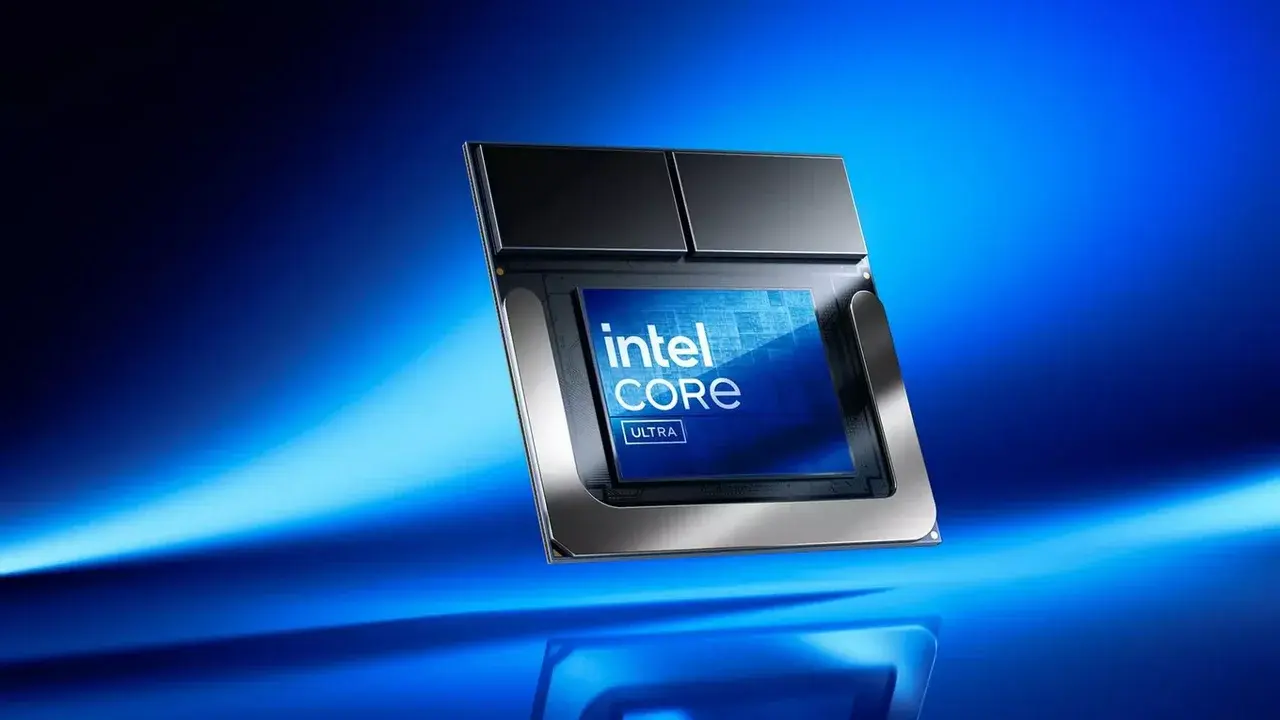
Intel is reportedly preparing to challenge AMD’s gaming dominance with its upcoming Nova Lake-S desktop processors, specifically the Intel Core Ultra 5 400S series. Leaked technical specifications suggest that the company is prioritizing a significant boost in cache capacity to compete directly with AMD’s acclaimed X3D lineup. By integrating a specialized cache architecture, Intel aims to provide a more competitive alternative for mid-range desktop users seeking high-performance gaming experiences. The new processors are expected to feature a hybrid core design, blending performance and efficiency cores to optimize processing power across various computing workloads.
- The Core Ultra 5 400S series will feature a total of 22 cores, including six performance, 12 efficiency, and four low-power cores.
- A massive 144MB total cache capacity is expected, utilizing a 108MB Big Last Level Cache (bLLC) to reduce latency.
- Intel will offer two power variants, with a 125W model supporting overclocking and a 65W version designed for standard systems.
- The entire processor family will transition to the new LGA 1954 socket architecture.
Technical Specifications Showcase a Competitive Core Layout
At the heart of the Intel Core Ultra 5 400S series lies a sophisticated architectural design. The chips consist of six Coyote Cove performance cores, 12 Arctic Wolf efficiency cores, and four dedicated low-power LP-E cores. By utilizing a unified compute tile design, Intel is streamlining the communication between these cores to enhance overall efficiency. This layout is specifically engineered to handle the demands of modern gaming and intensive multitasking environments.
The integration of 144MB of total cache represents a strategic shift in Intel’s hardware philosophy.
Large Cache Capacities Improve Gaming Performance
The most striking element of these upcoming processors is the introduction of the Big Last Level Cache (bLLC). By adding 108MB of bLLC to the standard cache, Intel is effectively matching the functionality of AMD’s 3D V-Cache technology. This high-speed memory pool allows the processor cores to access critical data with minimal delay, which is vital for maintaining stable frame rates in complex gaming scenarios.
This hardware advancement directly addresses the needs of users who require low-latency performance. As gaming engines become more reliant on rapid memory access, the 144MB cache capacity serves as a significant differentiator for the mid-range market. The dual-tier power strategy ensures that both enthusiasts and standard users can benefit from these enhancements, with the 125W model serving those who wish to push their hardware limits through overclocking.
New Socket Architecture Defines Future Compatibility
Beyond the internal architecture, the Nova Lake-S series will introduce the LGA 1954 socket. This transition indicates that consumers will likely need to upgrade their motherboards to take advantage of these new processors. While Intel has not yet provided official confirmation, the industry expects a formal unveiling in the coming months. These developments signal a renewed intensity in the competition between Intel and AMD, as both companies strive to lead the desktop processor market.
We would love to hear your thoughts on these upcoming developments; do you believe this massive cache upgrade will be enough for Intel to regain the gaming performance crown from AMD’s X3D series?
Your comment has been submitted,
it will be published after approval.