
ASELSAN ROADGUARD Revolutionizes Traffic Security in Ankara Streets

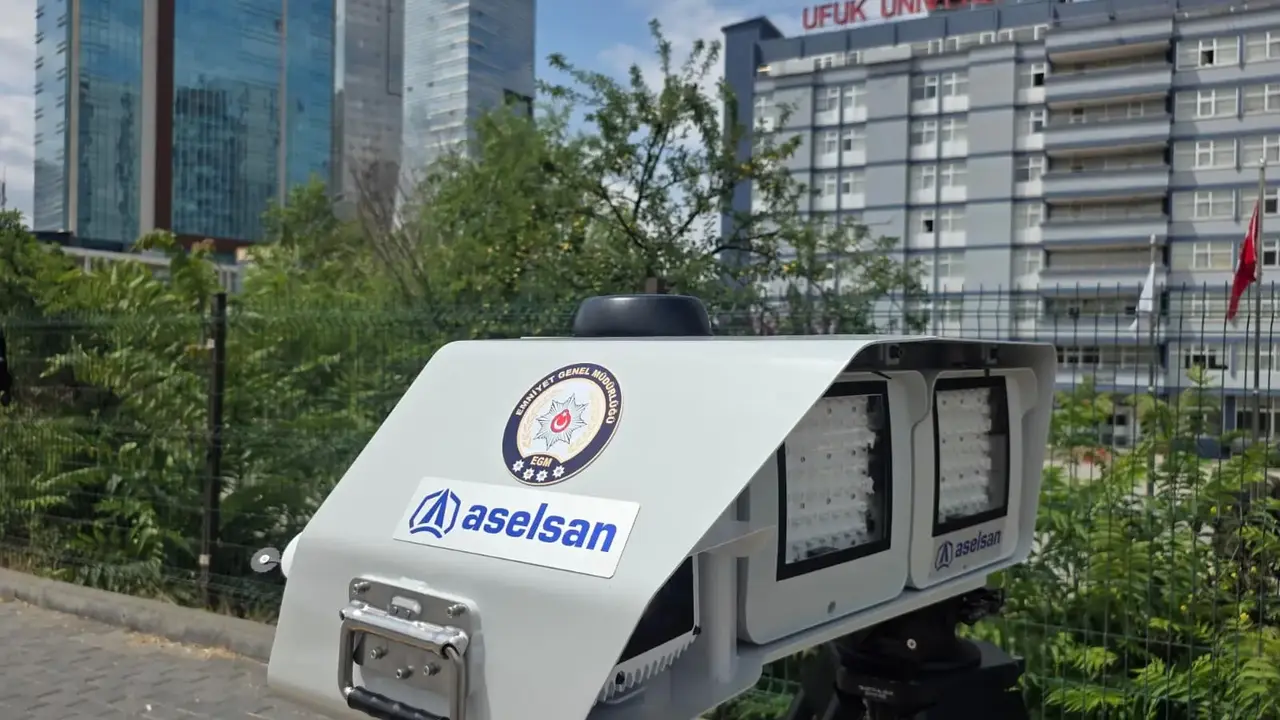
ASELSAN has officially launched its advanced ROADGUARD system across the busy streets of Ankara, marking a significant milestone in urban security and traffic enforcement. By integrating cutting-edge artificial intelligence with high-resolution sensor technology, this system enables law enforcement to identify not only vehicle license plates but also the drivers and passengers inside moving cars. The platform operates in direct coordination with the General Directorate of Security (EGM) databases, facilitating real-time analysis of suspects and vehicles. This technology represents a major leap forward in how Turkish authorities monitor public safety, shifting from traditional surveillance to proactive, data-driven identification in high-traffic environments.
- The ROADGUARD system utilizes AI to perform high-precision facial recognition on occupants inside moving vehicles.
- Integrated databases allow for instant synchronization between vehicle license plates and personal identity records.
- The system provides security forces with automated alerts regarding suspicious individuals or vehicles in real time.
Advanced AI Technologies Enhance Public Surveillance
The ROADGUARD platform surpasses the capabilities of conventional License Plate Recognition (LPR) systems by focusing on human identification within the vehicle cabin. While standard systems only track the vehicle’s identity, ASELSAN’s solution employs deep learning algorithms to capture and analyze the facial features of drivers and passengers regardless of traffic speed or environmental conditions. This technological shift grants security forces a critical time advantage in combating crime, as the system processes high-definition optical data into actionable intelligence within milliseconds.
This new deployment effectively transforms every monitored intersection into a proactive security checkpoint capable of identifying threats instantly.
The Digital Eye Synchronizes with National Databases
The operational efficiency of ROADGUARD relies on a complex, high-speed data pipeline that connects local sensors to the central headquarters of the General Directorate of Security. When a vehicle passes through a monitoring zone, the sensors capture clear images of the interior. The system immediately correlates the facial data with the vehicle registration details to form a comprehensive profile of the occupants. 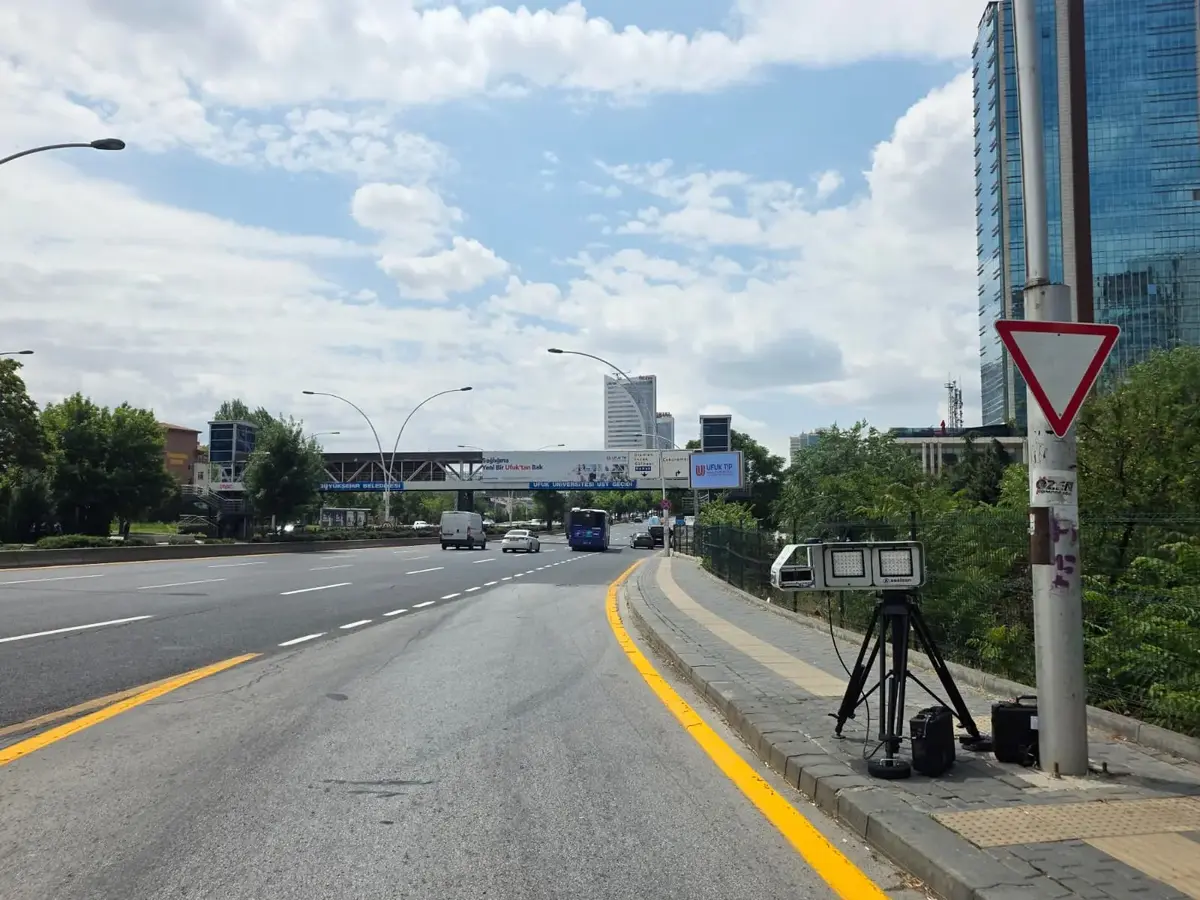
This information is cross-referenced with national databases to check for outstanding warrants, criminal records, or other legal violations. If the system detects a match, it sends an automated alert to police units in the vicinity. This early detection capability ensures that officers are fully informed about the individuals in a vehicle before they even initiate a traffic stop, thereby increasing officer safety and operational efficiency.
Urban Security Evolves for the Future
Beyond traditional policing, this ASELSAN innovation serves as a foundational component for modern smart city infrastructures. By minimizing human error during manual inspections, the system ensures that traffic enforcement remains both fair and consistent. The reduction of false positives in plate reading and suspect identification represents a major upgrade for metropolitan surveillance capabilities.
The successful implementation of this domestic and national technology underscores Turkey’s growing prowess in transferring advanced defense industry capabilities to civil security sectors.
As the project continues to expand across Ankara, the focus remains on enhancing counter-terrorism efforts and tracking individuals wanted by the law. The seamless integration of this AI-based solution into the existing police infrastructure signals a new era for public safety and traffic management in Turkey.
We invite you to share your thoughts on the use of advanced AI facial recognition for public safety. Do you believe these technologies create a more secure environment in your city? Let us know in the comments section below.
Your comment has been submitted,
it will be published after approval.