
NVIDIA Unveils Next-Generation Rosa Processor for Agentic AI

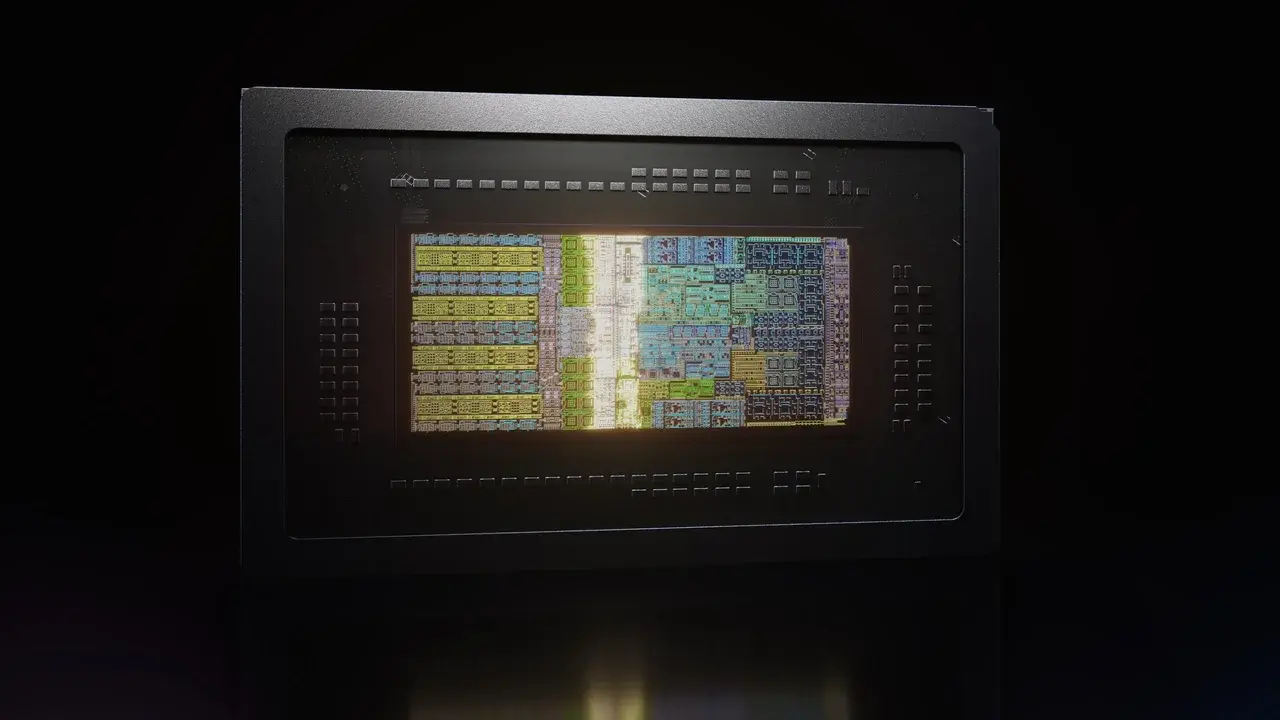
NVIDIA officially unveiled the technical specifications for its next-generation Rosa processor during the GTC 2026 event. Named after Nobel laureate Rosalyn Sussman, this cutting-edge data center CPU is specifically engineered to handle the complex, high-compute demands of Agentic AI workloads. Designed to succeed the current Vera architecture, the Rosa processor will integrate with the upcoming Feynman series to significantly enhance computational efficiency. By prioritizing advanced architectural improvements, NVIDIA aims to solidify its competitive stance against traditional x86 providers in the rapidly evolving artificial intelligence hardware market.
- NVIDIA announced the Rosa processor as the successor to its current Vera architecture.
- The new chips utilize the Arm v9.2-based Rigel core architecture for superior per-core performance.
- Rosa processors are scheduled for data center deployment alongside Feynman GPUs in 2028.
- NVIDIA intends to expand this technology into personal computing segments by 2030.
The Rigel architecture represents a major leap forward in AI-driven processing capabilities.
Rigel Architecture Delivers Enhanced Computing Power
At the heart of the new Rosa processors lies the Rigel core, an Arm v9.2-based architecture that NVIDIA confirms will offer substantial performance gains over the legacy Olympus cores. While maintaining a similar silicon footprint, the Rigel design focuses on increased per-core throughput and optimized instruction delivery.
The integration of a larger L2 cache structure serves as a cornerstone for this improvement. This adjustment allows for more efficient memory management, which is essential for the heavy computational loads required by modern Agentic AI.  These technical refinements ensure that the processor remains highly responsive even when executing complex, autonomous task sequences that characterize the next generation of artificial intelligence.
Vera Architecture Continues its Market Deployment
Despite the excitement surrounding the upcoming Rosa launch, the current Vera architecture remains a critical part of NVIDIA’s strategy. Vera processors, which are equipped with 88 Olympus cores, are currently in active production and are being shipped to major technology companies worldwide. The company has not yet confirmed whether the Rosa generation will feature a shift in total core counts, but the focus remains squarely on maximizing individual core efficiency and single-threaded performance.
NVIDIA is strategically scaling its processor portfolio from data centers to personal computing devices.
Future Roadmap Outlines a Multi-Platform Strategy
NVIDIA’s broader CPU strategy extends well beyond the data center. The company is preparing to launch its RTX Spark chips, which combine Grace and Blackwell architectures, later this fall. 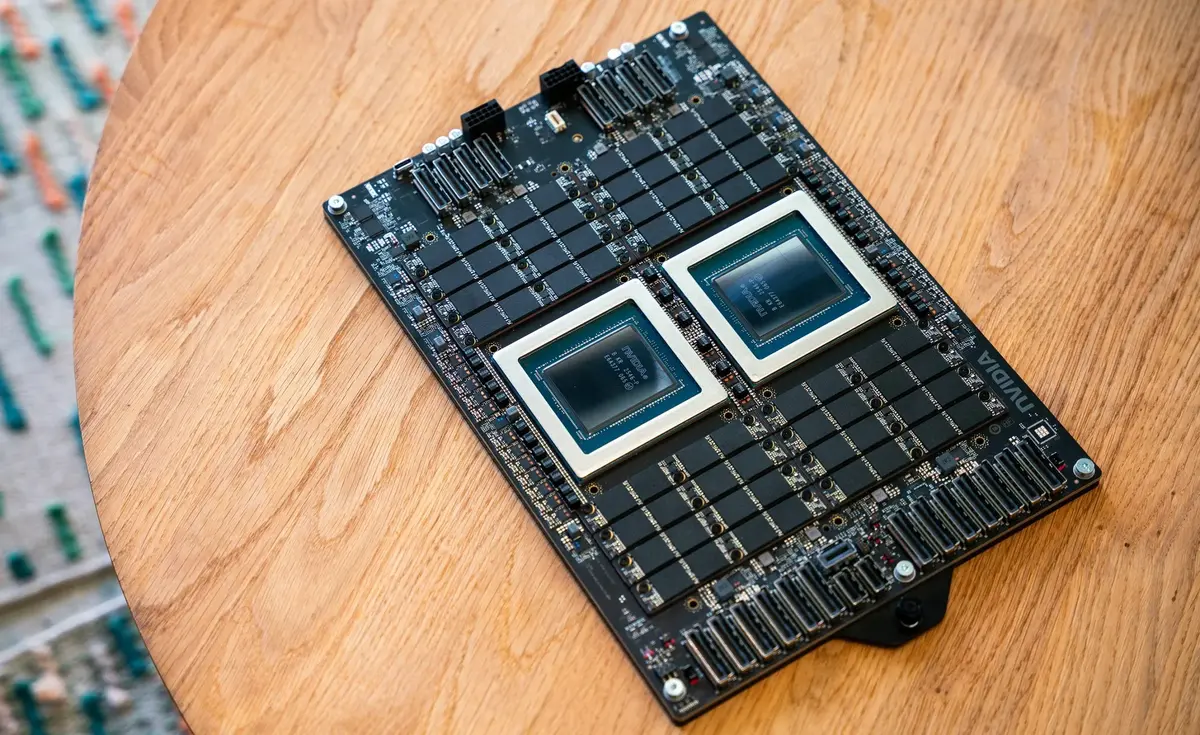 This rollout serves as a bridge toward the more advanced Rosa integration slated for 2028.
Looking further ahead, NVIDIA has established a clear roadmap that includes bringing Rosa-based solutions to personal computers by 2030. This long-term vision indicates a deliberate effort to dominate the AI hardware space across all computing form factors. By maintaining a consistent development cycle, the company seeks to push the boundaries of what is possible in both enterprise and consumer-grade AI applications.
We are eager to hear your perspective on NVIDIA’s ambitious roadmap; how do you believe the shift toward Agentic AI-optimized hardware like the Rosa processor will transform the future of computing?
Your comment has been submitted,
it will be published after approval.