
Apple Ends iOS Signing Support for Legacy iPhone and iPad

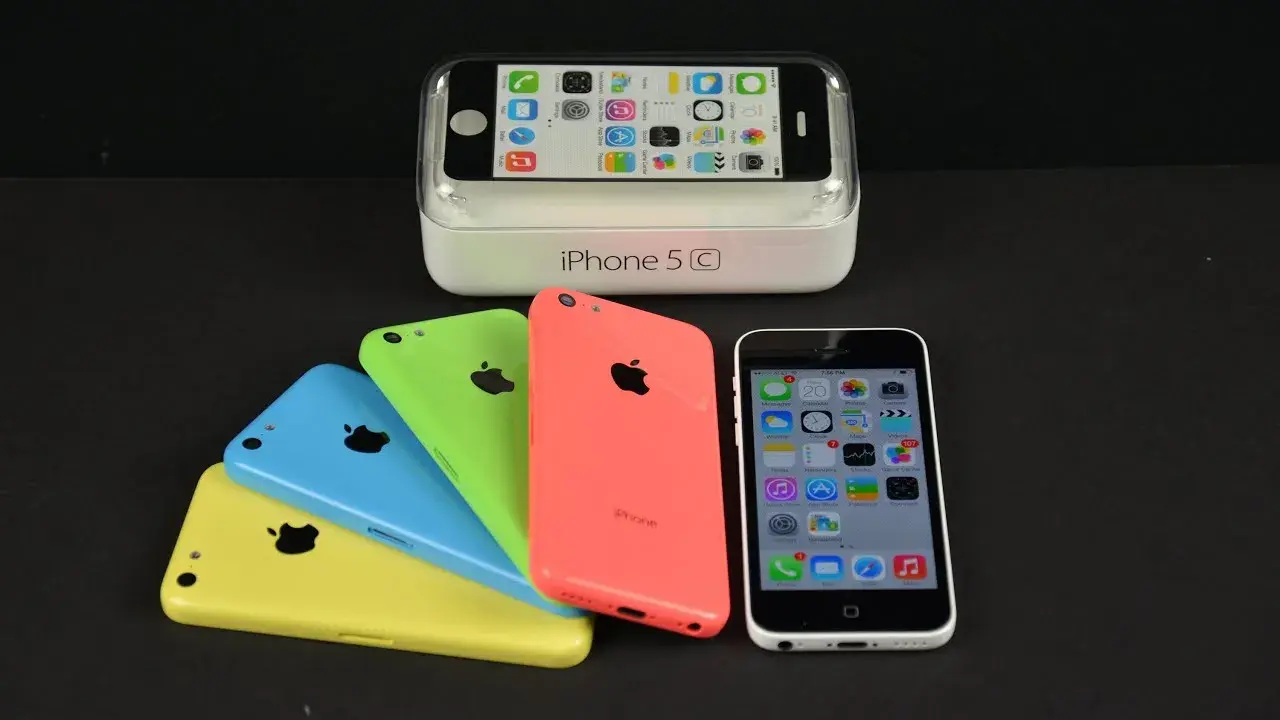
Apple has officially discontinued the signing process for legacy iOS versions on several classic iPhone and iPad models, a move that limits software restoration options for these devices. Effective July 8, 2026, the company ceased verifying older firmware for iconic devices including the iPhone 5, iPhone 5c, the first-generation iPad mini, and the iPad 2. By revoking the digital signatures required by Apple servers, the tech giant effectively prevents users from performing clean installations or downgrading to previous software versions like iOS 6.1.3, 8.4.1, 9.3.5, or 10.3.3. This decision represents a significant shift in how the company manages long-term support for its older hardware portfolio.
- Apple has terminated the digital signature verification process for specific legacy iOS versions on vintage iPhone and iPad models.
- Users can no longer perform factory restores or downgrades to older firmware using IPSW files or OTA installation methods.
- The policy change primarily impacts collectors and developers by restricting their ability to modify or repair vintage Apple devices.
The Significance of Discontinued Software Signing Becomes Clear
In the Apple ecosystem, the signing process acts as a mandatory digital handshake between a device and the company’s servers. When a user attempts to install or restore an operating system, the hardware must verify its legitimacy through this authorization. By closing these gates for software that is over a decade old, Apple has effectively sealed off the ability to perform fresh installations on these units.
This decision effectively turns functional vintage hardware into potential electronic waste if a software-level failure occurs.
It is important to note that if your device is currently running one of these older versions, it will not suddenly cease to function. The hardware remains operational for daily use. However, the risk arises when a device encounters a boot loop or a critical system error that requires a full restoration. Since the servers no longer issue the necessary verification, users are left with no official path to revive their hardware, marking a definitive end to Apple’s software support for these specific configurations.
Various Legacy Devices Face New Software Restrictions
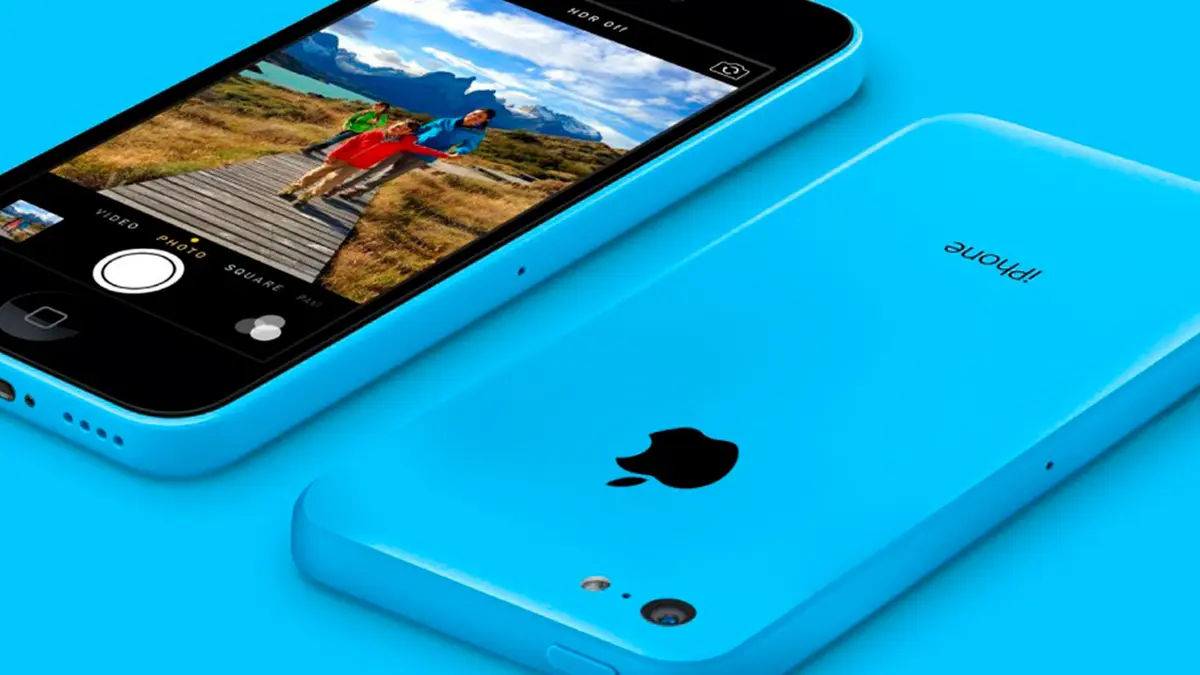
The scope of this update is comprehensive, targeting specific combinations of hardware and firmware. Affected devices include the iPhone 5, which loses support for iOS 10.3.3, 10.3.4, and the OTA version of 8.4.1. Similarly, the iPhone 5c can no longer be restored to iOS 10.3.3. For tablet users, the first-generation iPad mini and the iPad 2 (CDMA) are also restricted from utilizing older iOS 9, 8, and 6 iterations. These devices were once cornerstones of the mobile revolution, but they are now officially relegated to a legacy status without restoration flexibility.
Security Requirements Drive the Recent Policy Decisions
Apple maintains that these measures are essential to uphold the security standards of its infrastructure. As cyber threats become increasingly sophisticated in 2026, keeping outdated firmware in circulation presents a target for potential exploits. By removing the ability to install these older systems, the company ensures that users are not inadvertently exposing themselves to known vulnerabilities that were patched in later releases.
Apple confirms that strict ecosystem control remains a priority regardless of the device’s age.
While the active user base for these devices is minimal, the change affects a dedicated community of technology enthusiasts and developers who rely on these older versions for compatibility testing. This move reinforces the company’s commitment to prioritizing security over the preservation of legacy software paths.
How do you feel about Apple’s decision to cut off support for these classic devices, and does this impact your own vintage technology collection? Share your thoughts and experiences in the comments section below.
Your comment has been submitted,
it will be published after approval.