
New Galaxy Watch Models Feature Qualcomm Processors and Massive Batteries

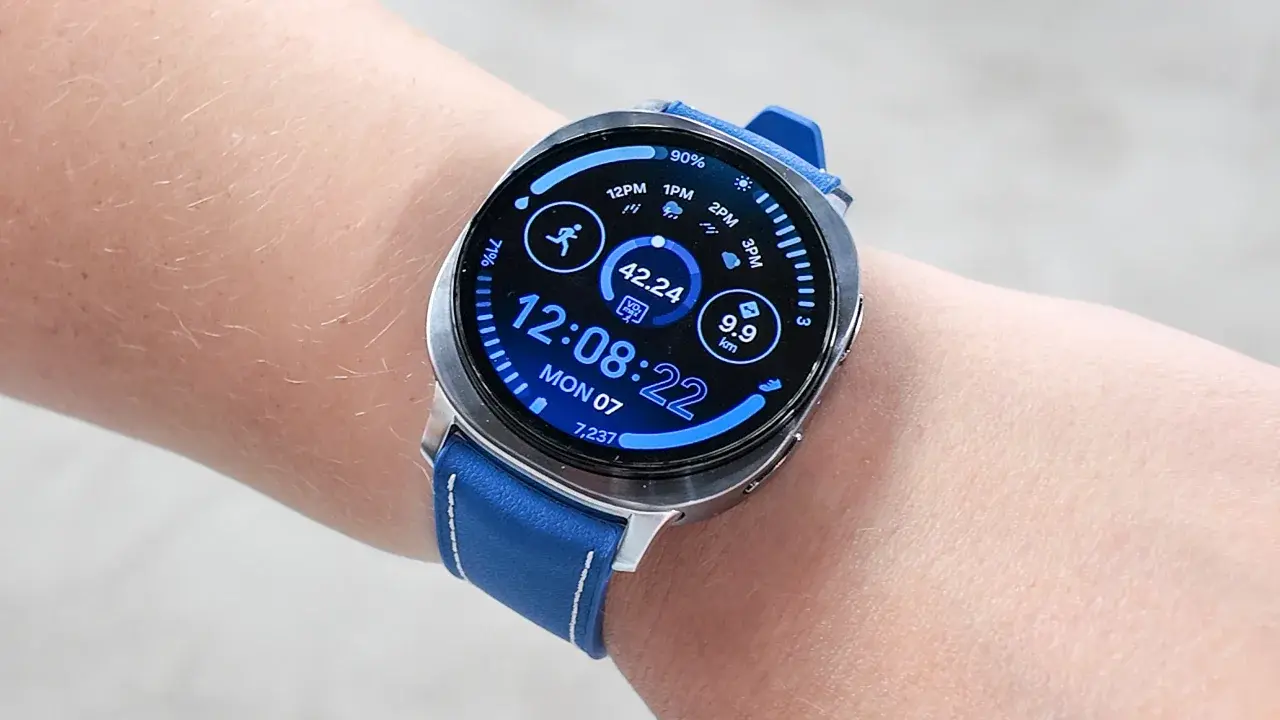
As the highly anticipated Galaxy Unpacked event approaches, details regarding Samsung’s upcoming wearable technology lineup have finally emerged. The tech giant is preparing to officially unveil the new Galaxy Watch 9 and the Galaxy Watch Ultra 2 on July 22, showcasing significant hardware internal upgrades. By transitioning from in-house proprietary silicon to high-performance Qualcomm processors, Samsung aims to elevate the efficiency and speed of its latest wearables. Coupled with substantial battery capacity improvements, these devices are positioned to redefine the standard for the modern smartwatch market.
- The upcoming Galaxy Watch 9 and Galaxy Watch Ultra 2 will debut on July 22 with advanced hardware specifications.
- Samsung has integrated the 3nm Qualcomm SW6100 processor into its new smartwatch lineup to enhance overall system performance.
- The Galaxy Watch Ultra 2 features a significant battery upgrade to 800 mAh for extended operational longevity.
- All new models will ship with the One UI Watch 9.0 interface to provide a refined user experience.
Qualcomm Processors Replace In-House Silicon
In a strategic shift for its wearable division, Samsung has opted to utilize Qualcomm’s hardware for the latest generation of its smartwatches. The devices will be powered by the 64-bit Qualcomm SW6100, manufactured using a 3-nanometer process. Known as the Snapdragon Wear Elite, this chip architecture utilizes a five-core configuration. One high-performance core operates at 2.1 GHz, while four efficiency-oriented cores reach speeds of 1.95 GHz to balance power consumption with responsive processing.
This shift to Qualcomm architecture marks a major departure from Samsung’s previous reliance on Exynos chips for the wearable series.
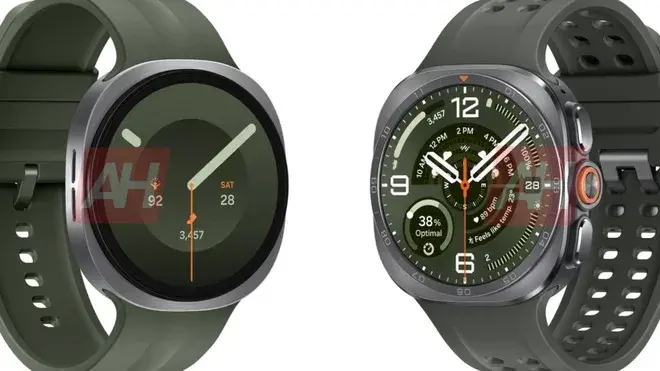
Beyond the processor, the memory and storage configurations have been standardized to meet modern demands. Depending on the chosen variant, users will have access to 2 GB of RAM, paired with either 32 GB or 64 GB of internal storage. This allows for a smoother execution of the One UI Watch 9.0 operating system and more space for third-party applications.
Battery Capacities Show Significant Improvements
Samsung is addressing user concerns regarding device longevity by significantly increasing battery capacities across the new models. The 40 mm Galaxy Watch 9 will house a 325 mAh battery, while the 44 mm version expands this to 445 mAh. Most notably, the flagship Galaxy Watch Ultra 2 receives a substantial boost, moving from the previous 590 mAh capacity to an impressive 800 mAh, ensuring the device remains powered through intensive daily use.
The substantial jump to an 800 mAh battery positions the Galaxy Watch Ultra 2 as a leader in long-term endurance.
Design and Connectivity Standards Remain Robust
While the internal hardware undergoes a major transformation, the external design remains largely consistent with previous iterations. The devices maintain their established 1.3-inch and 1.5-inch screen sizes, with display resolutions reaching 480 x 480 pixels for most models. Durability remains a priority, with the Galaxy Watch Ultra 2 utilizing a premium titanium casing to achieve water resistance up to 100 meters, while the aluminum-based models offer a standard 5 ATM rating.
Connectivity features are equally comprehensive, incorporating Bluetooth 6.0, NFC, and dual-band Wi-Fi support across the series. For users seeking true independence from their smartphones, the LTE-enabled versions provide full mobile network access. These refinements ensure that the new lineup remains competitive in both style and functionality.
We would love to hear your thoughts on Samsung’s move to Qualcomm processors; do you believe this change will provide the performance leap that users are looking for in their next smartwatch?
Your comment has been submitted,
it will be published after approval.