
AMD Develops New 8x FSR Frame Generation Technology

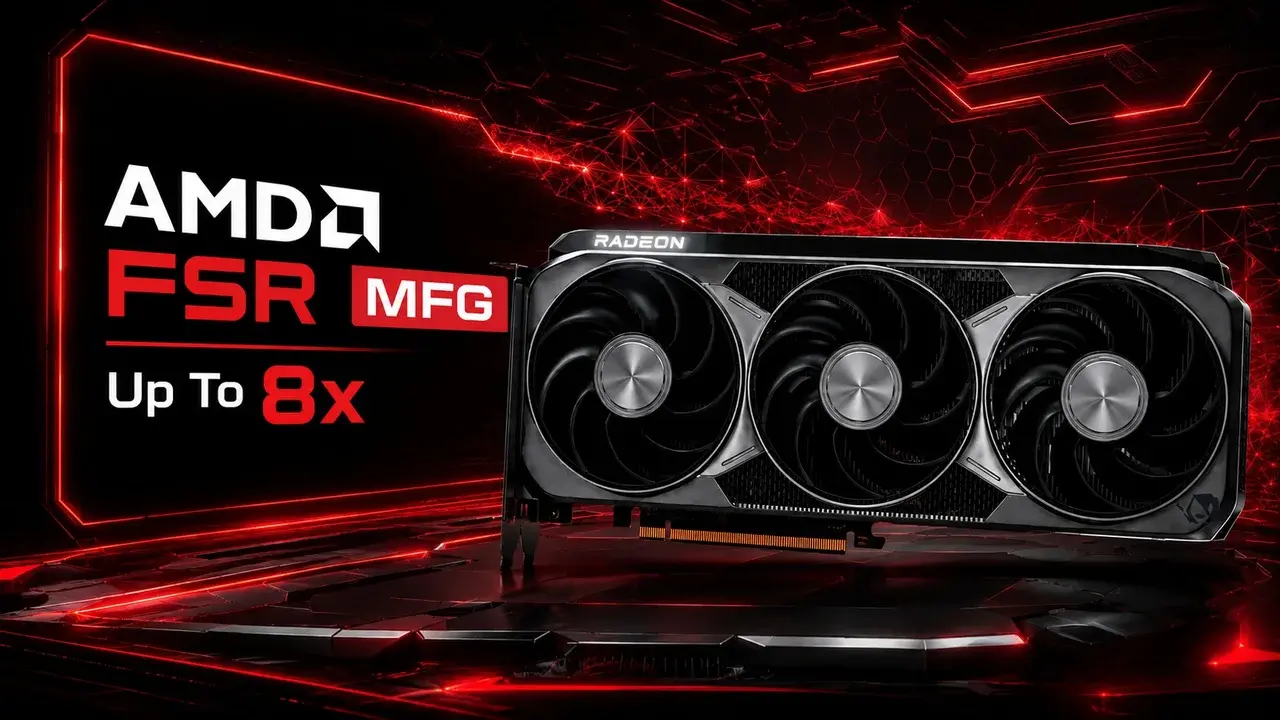
AMD is significantly enhancing its FidelityFX Super Resolution (FSR) technology, as indicated by new features discovered within the latest Radeon Adrenalin 26.6.2 WHQL drivers. By utilizing the RadeonTuner utility, researchers have uncovered hidden graphics settings that hint at an upcoming leap in frame generation capabilities. The investigation, which focused on the Radeon RX 9070 XT, revealed support for 8x Multi-Frame Generation (MFG), effectively allowing the software to create seven additional frames for every single native frame rendered. This development positions AMD to potentially surpass current industry standards for fluidity in PC gaming by providing a smoother visual experience through advanced interpolation.
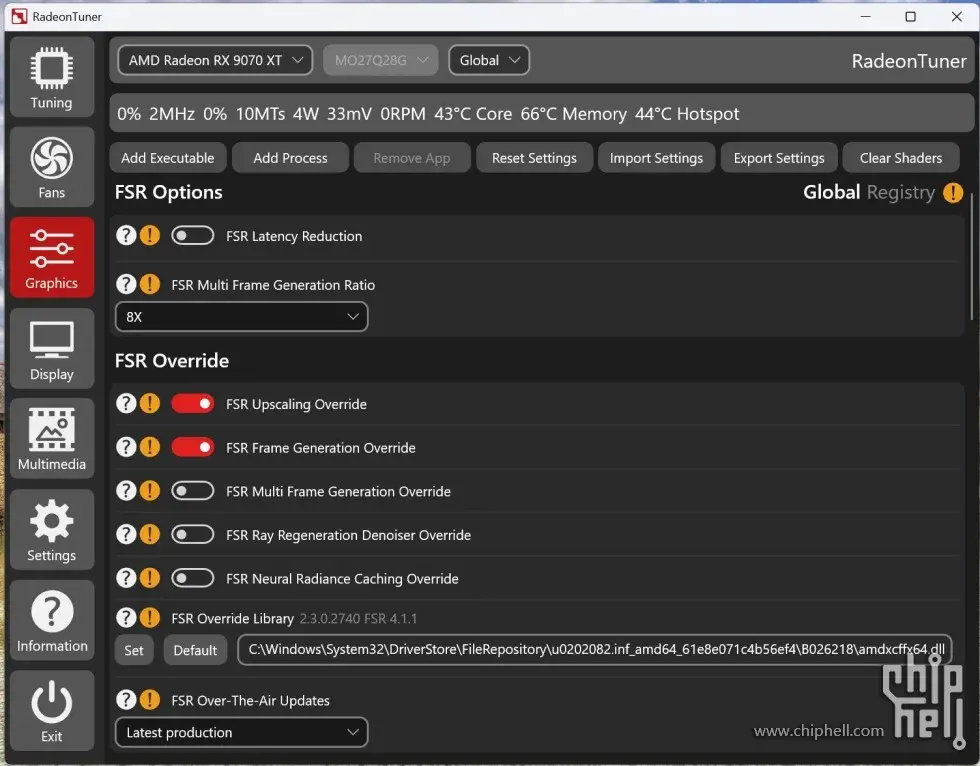
- AMD is testing an 8x FSR Multi-Frame Generation mode that produces seven artificial frames per native frame.
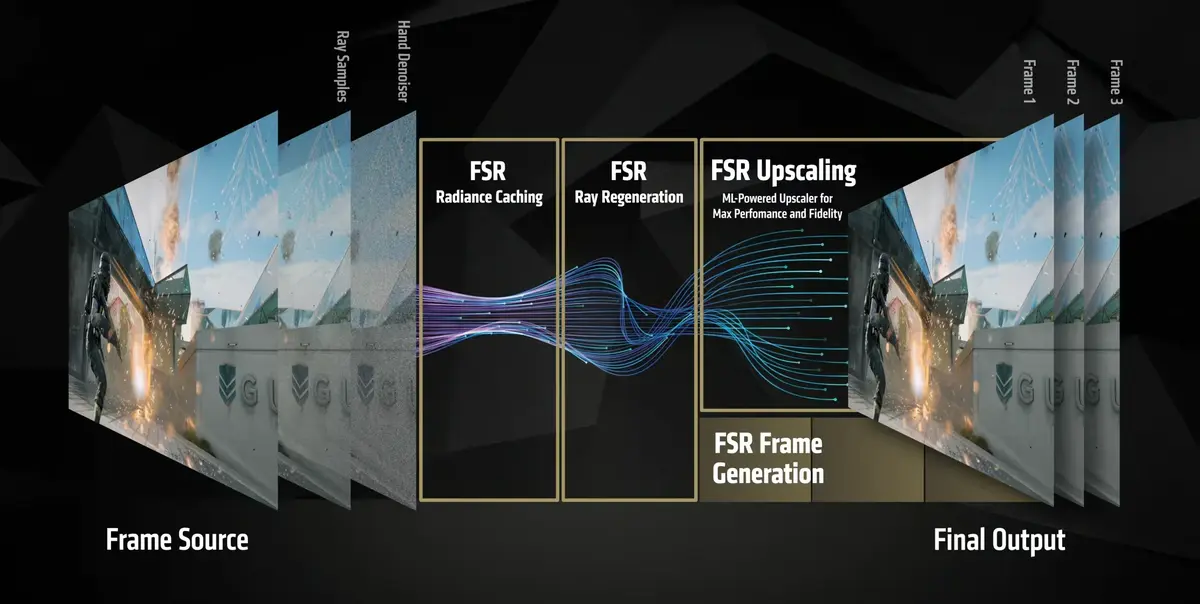
- New driver overrides allow for the manual activation of Ray Regeneration and Neural Radiance Caching technologies.
- The company expects to update its Anti-Lag features to accommodate the technical demands of high-rate frame generation.
- These unofficial settings could expand advanced graphics support to a broader library of existing game titles.
The implementation of 8x frame generation could redefine the standard for visual fluidity in high-end competitive gaming.
AMD Targets Enhanced Performance with 8x Multi-Frame Generation
The discovery of the 8x MFG mode within the driver files marks a bold step for the Radeon team. While current industry implementations often focus on lower multipliers, AMD’s shift toward 8x suggests a strategy to outperform existing solutions like NVIDIA’s 6x MFG mode. 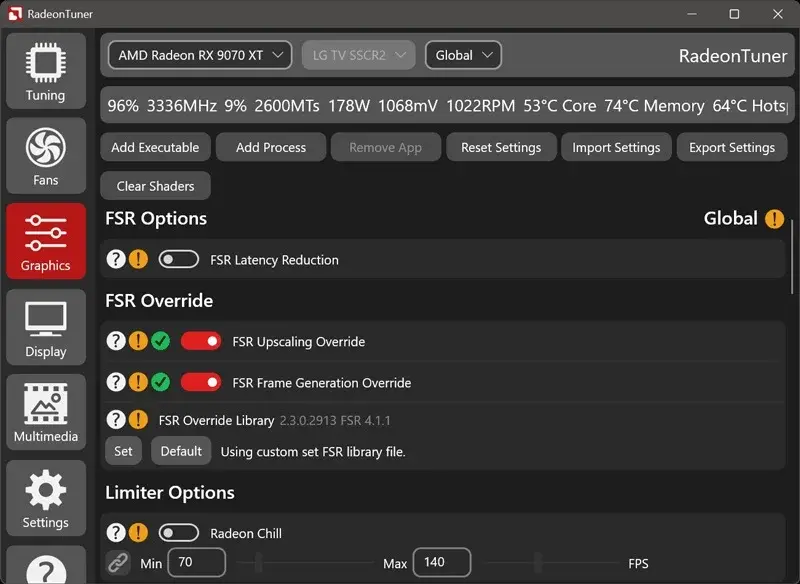 By drastically increasing the number of generated frames, the technology aims to provide a near-seamless motion experience.
  However, creating such a high volume of frames requires sophisticated hardware synchronization and latency management.
  Consequently, industry analysts anticipate that AMD will introduce refined Anti-Lag protocols to ensure that this high-frame-rate output remains stable and responsive for the end user.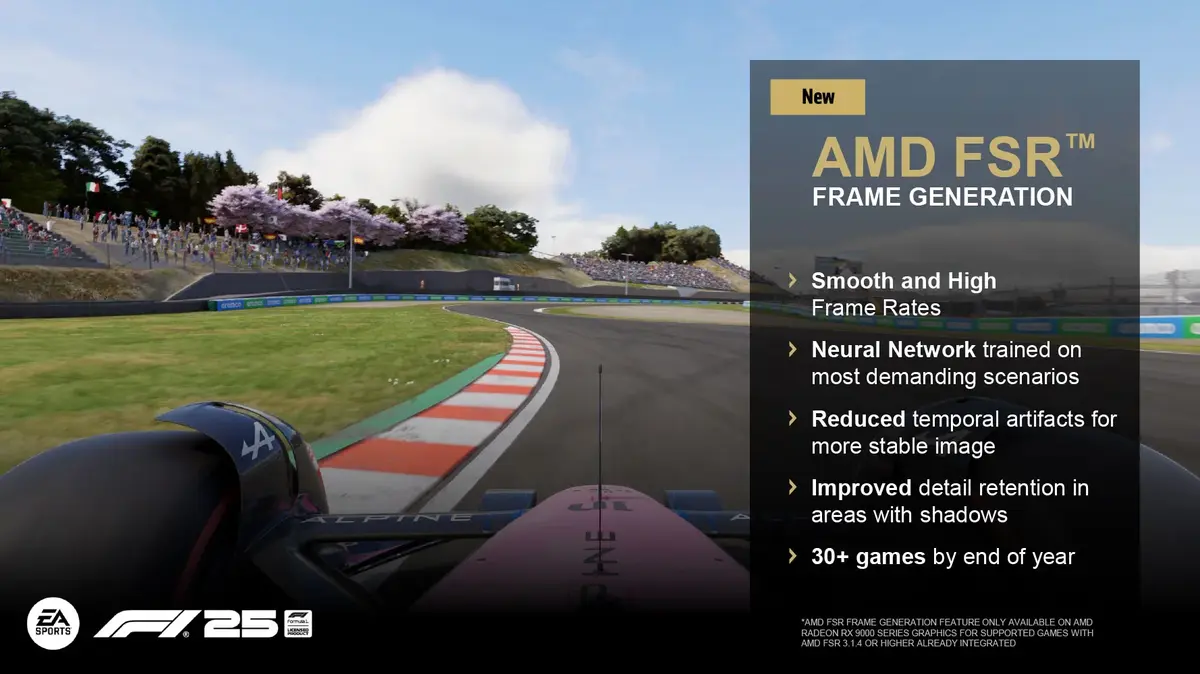
Advanced Graphics Features Become Accessible via Driver Overrides
Beyond frame generation, the hidden menus reveal options for FSR Ray Regeneration and FSR Neural Radiance Caching. These technologies, typically reserved for specific supported titles, can now be manually toggled through driver-level overrides. 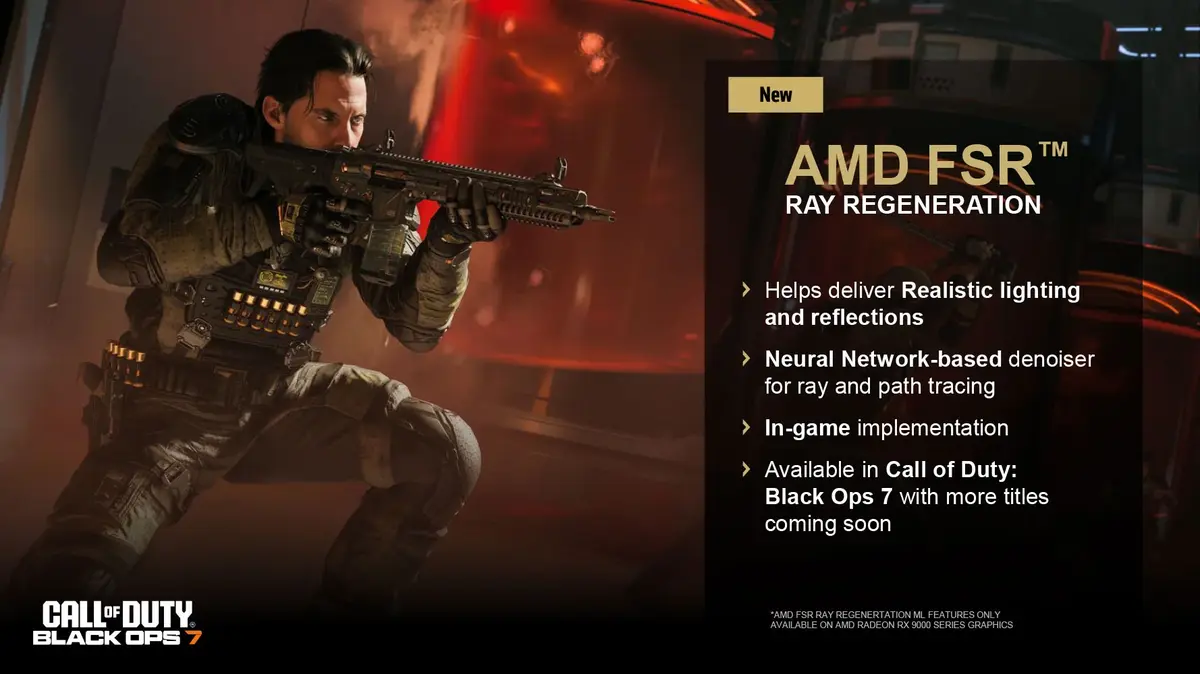 This approach mirrors strategies seen in other professional graphics environments, granting users more control over their visual settings regardless of official game implementation.
 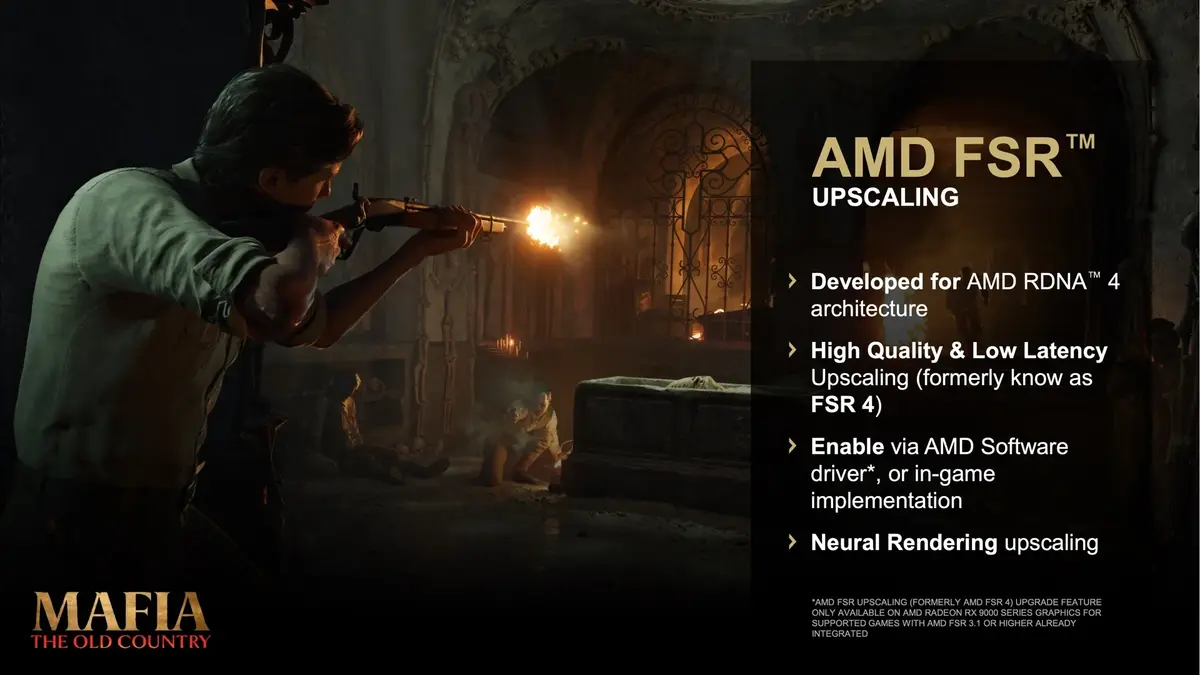 By allowing these features to be forced on, gamers may soon enjoy improved lighting and reflection quality in titles that were previously excluded from these advanced rendering paths.
 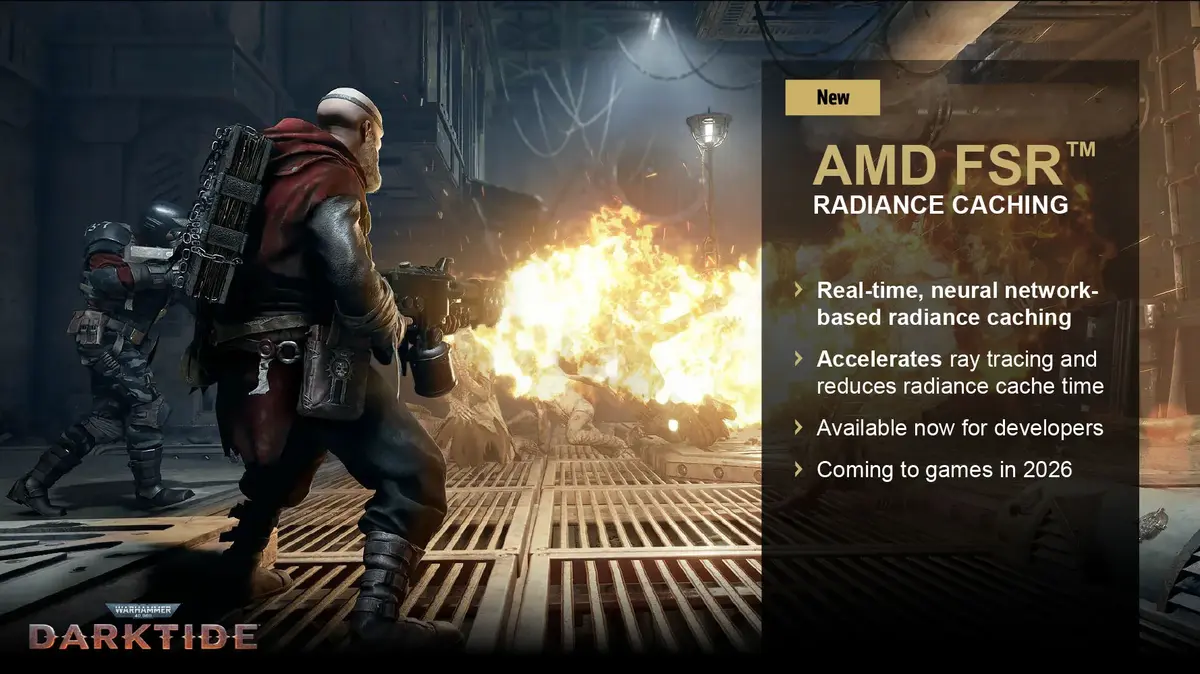 Games such as Warhammer 40,000: Darktide and Mafia Old Country are prime candidates to benefit from this newfound flexibility, potentially extending the longevity of hardware configurations for enthusiasts who demand high-fidelity visuals.
Manual overrides for ray reconstruction indicate that AMD is prioritizing user-controlled graphics customization.
As these features continue to surface in driver updates, the landscape of GPU performance optimization appears to be shifting toward more accessible and aggressive frame interpolation techniques. The success of this technology will ultimately depend on how effectively the software maintains image integrity at such high generation ratios. We invite our readers to share their thoughts in the comments section below: Do you believe AMD’s 8x frame generation technology will provide the performance breakthrough that gamers currently require?
Your comment has been submitted,
it will be published after approval.