
TSMC 1.4nm Production Process Scheduled to Start in 2027

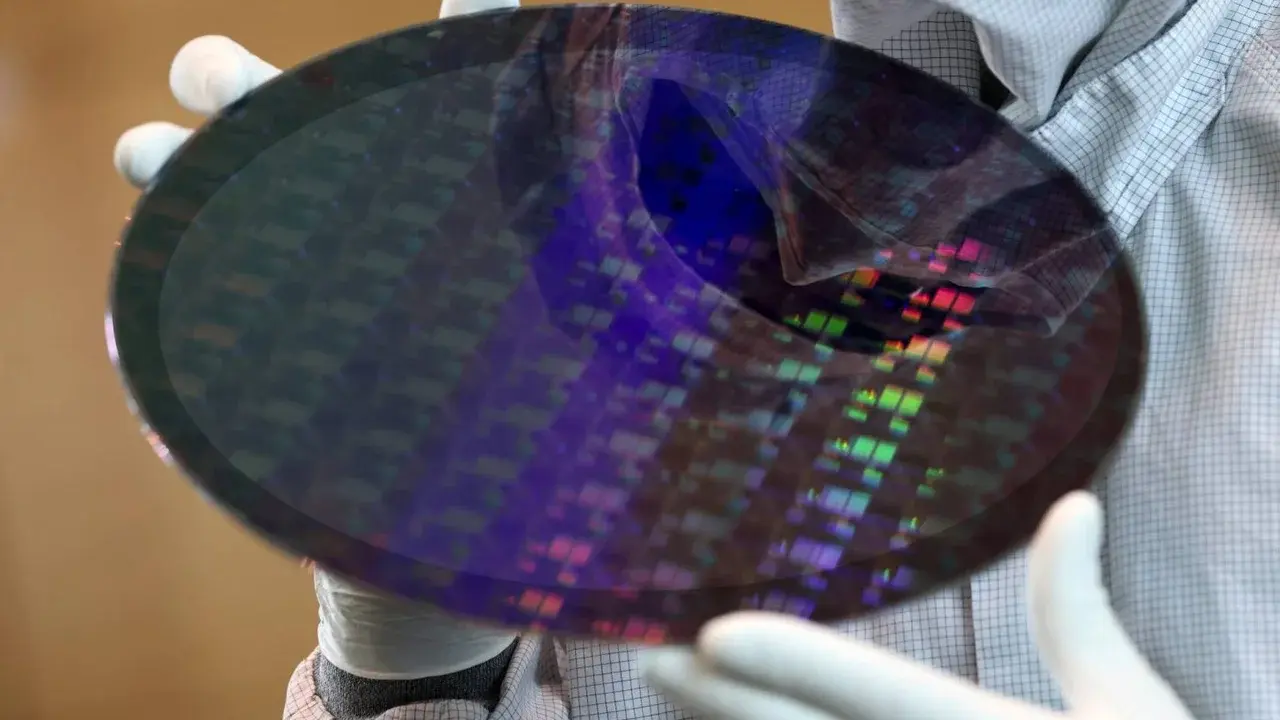
Taiwanese semiconductor giant TSMC has officially announced significant breakthroughs in its advanced 1.4nm (A14) production process, despite having yet to launch its 2nm chips. The company aims to complete the construction of its inaugural production facility at the Central Taiwan Science Park by April 2027. This ambitious timeline targets pilot production for the 1.4nm node to commence in the third quarter of 2027, with high-volume manufacturing projected to begin by 2028. By prioritizing this cutting-edge technology, TSMC seeks to solidify its technological dominance in the global semiconductor market and meet the surging demand for high-performance computing required by next-generation artificial intelligence applications.
- TSMC plans to invest a total of 49 billion dollars across four specialized manufacturing facilities dedicated to the 1.4nm process.
- Apple is widely expected to become the first client to utilize this technology for its upcoming A22 Pro chipset.
- Samsung continues its efforts to remain competitive in the sector despite trailing TSMC by approximately one year in 1.4nm development.
- Each individual fabrication plant is projected to generate roughly 16 billion dollars in annual revenue upon reaching full capacity.
The massive capital expenditure by TSMC toward 1.4nm technology fundamentally transforms the hardware landscape required for the era of artificial intelligence.
Production Facilities are Set to Finish by April 2027
The transition to the 1.4nm process represents one of the most critical technological milestones in TSMC’s history. The proposed production line, which consists of four distinct plants, is engineered not only for high-capacity output but also for achieving maximum operational efficiency. With an initial investment commitment of 49 billion dollars, the company anticipates that each facility will serve as a major revenue driver, contributing 16 billion dollars annually to its financial performance.
These facilities, located near Taichung, are expected to shape the trajectory of the entire semiconductor industry for years to come. This development extends beyond simple infrastructure construction, as it marks a pivotal leap in advanced lithography capabilities. By leveraging the success achieved during its 2nm development phase, TSMC aims to push the boundaries of miniaturization even further.
Apple Prepares for Next-Generation Chipsets
As a dominant force in the global technology market, Apple appears positioned to be the primary beneficiary of the 1.4nm node. Industry analysts frequently report that the company intends to manufacture its future A22 Pro chipset using this state-of-the-art process. Apple’s decision to transition to this new lithography so early in the cycle is driven by the urgent need for increased processing power to fuel its proprietary artificial intelligence projects. 
Major technology firms are currently engaged in a fierce competition to secure TSMC’s limited manufacturing capacity to avoid potential supply chain disruptions. This strategic move by Apple is expected to set a benchmark for the rest of the market and influence broader industry trends significantly.
Samsung Strives to Maintain Market Competitiveness
Although Samsung currently lags behind TSMC in the race to implement its proprietary 1.4nm technology, known as SF1.4, the company is accelerating its internal development cycles to prevent further distance from its rival. Samsung previously dedicated substantial resources to resolving efficiency challenges encountered during its 2nm production efforts. However, the rapid advancement of sub-2nm processes by TSMC and Intel has compelled Samsung to adopt a more aggressive market strategy.
The endeavor by Samsung to commercialize its 1.4nm technology will likely lead to a significant redistribution of power within the global semiconductor market.
Entering the market one year after TSMC might allow Samsung to leverage lessons learned from its earlier technical hurdles, potentially providing a more refined product upon launch. The ultimate impact of this intense rivalry on the broader electronics sector will become more apparent as we approach 2028.
How do you anticipate the shift to 1.4nm technology will influence the performance ceiling of future smartphones? Please share your thoughts and expectations regarding these technological advancements in the comments section below.
Your comment has been submitted,
it will be published after approval.