
Google Pixel 11 Challenges Apple With 2nm Tensor G6 Chip


Google is poised to reshape the smartphone market with the upcoming Pixel 11 series, which will feature the cutting-edge Tensor G6 processor. Scheduled for a launch next month, this new silicon architecture positions the Mountain View giant as the first company to utilize TSMC’s advanced 2nm manufacturing process. By adopting this technology, Google aims to secure a strategic one-month advantage over Apple’s forthcoming A20 Pro chip. While the hardware industry remains dominated by Apple, Qualcomm, and MediaTek, Google’s aggressive move into next-generation lithography highlights its commitment to maintaining a competitive edge in the mobile processor space.
- Google intends to become the first manufacturer to integrate TSMC’s 2nm production technology into its mobile silicon.
- The Tensor G6 processor prioritizes power efficiency through a 1+4+2 CPU configuration instead of raw performance.
- The integration of a five-year-old PowerVR GPU architecture suggests a strategic focus on cost control over peak graphical power.
- Google continues to emphasize artificial intelligence optimization as the primary differentiator for its hardware ecosystem.
Google Prioritizes Efficiency Over Raw Hardware Power
The transition to a 2nm manufacturing process represents a significant technical milestone, yet industry analysts remain cautious regarding real-world performance. Despite utilizing 3nm technology in the previous Tensor G5, the chip struggled to match the benchmark performance of its primary rivals. Initial data regarding the Tensor G6 suggests a similar trajectory, as the hardware is being designed with a focus on sustainable efficiency rather than maximizing peak clock speeds.
Google appears to value profit margins and cost-effective design over achieving technical superiority in raw benchmarks.
Hardware Architecture Limits Potential Performance Gains
Leaked Geekbench 6 results indicate that the Tensor G6 may face challenges in multi-core performance metrics. The choice of a 1+4+2 CPU cluster is explicitly designed to reduce power consumption, but this configuration inherently limits the device’s heavy-duty processing capabilities. 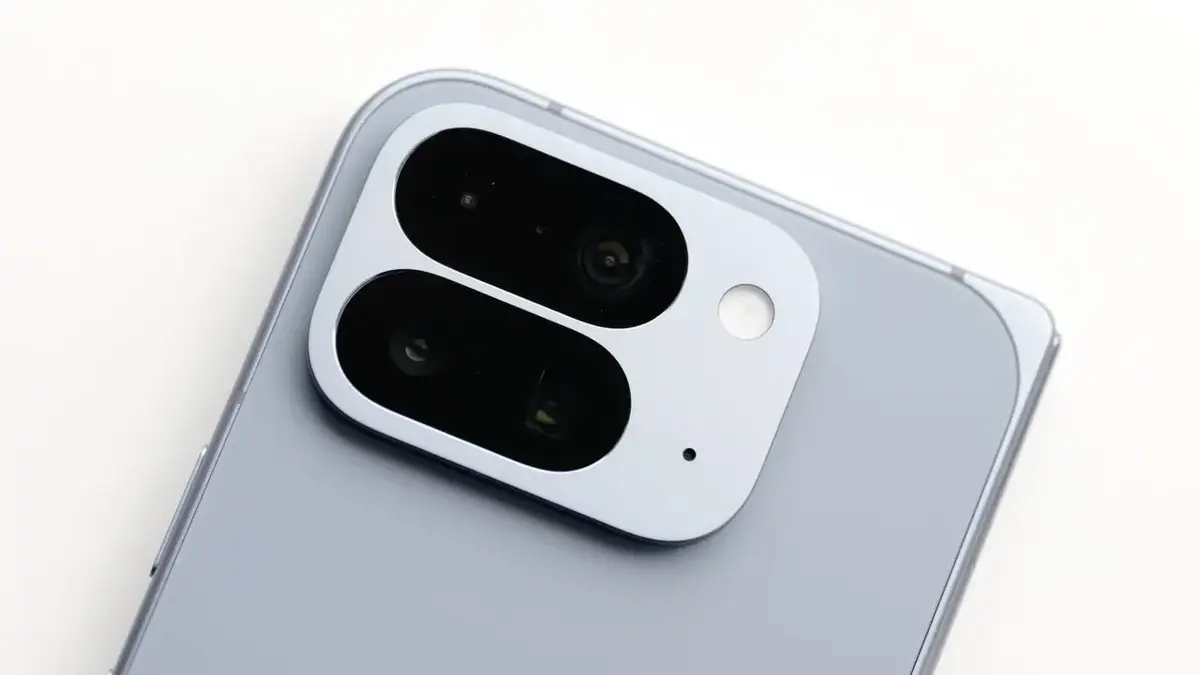 Furthermore, the reliance on a GPU architecture dating back to 2021 has raised questions among tech enthusiasts. It appears that mounting DRAM costs have forced Google to make compromises that prioritize internal development costs over the latest graphical hardware advancements.
Google Struggles to Expand Its Hardware Market Presence
Currently capturing only a modest three percent share of the United States smartphone market, Google hopes that the Pixel 11 will serve as a catalyst for growth. However, the company’s decision to favor AI-driven software experiences over high-octane hardware specs remains a risky strategy. The success of the device will likely hinge on Google’s ability to prove that its software optimization can mask any underlying limitations in the Tensor G6 silicon.
The overall success of the Pixel 11 series rests heavily on Google’s mastery of software optimization.
Future Developments Promise More Advanced Hardware Solutions
Although the Tensor G6 might not trigger the massive performance leap some users anticipate, indications suggest that the subsequent Tensor G7 will introduce more ambitious improvements. Recent reports confirm that Google has begun testing LPDDR6 RAM modules, signaling an inevitable shift toward a more robust hardware architecture in the near future. For now, consumers must wait to see if Google’s AI-focused software solutions can effectively bridge the gap between their current hardware capabilities and the industry standard.
Do you believe that prioritizing artificial intelligence and energy efficiency over raw processing power is the right strategy for Google to compete in the current smartphone market? Share your expectations for the Pixel 11 and your thoughts on this hardware shift in the comments below.
Your comment has been submitted,
it will be published after approval.