
Autonomous Micro Drones Are Hunting Mosquitoes to Save Lives

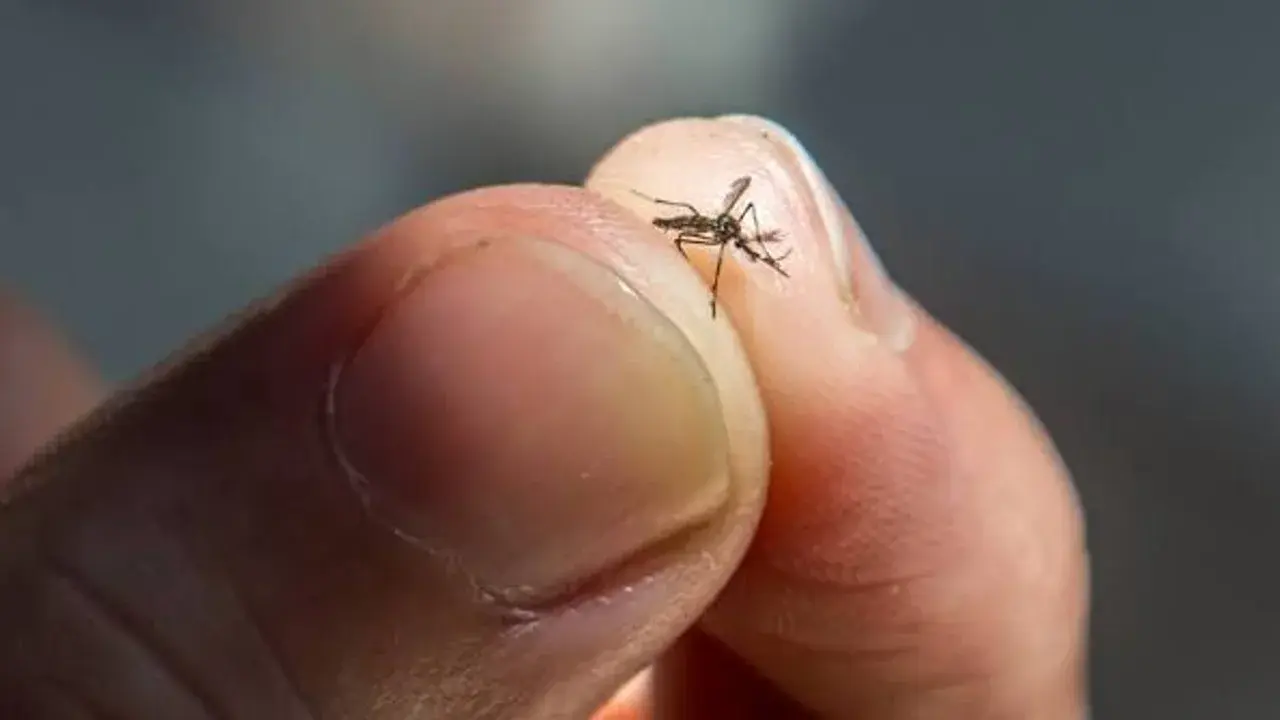
A French technology startup named Tornyol, backed by Y Combinator, has unveiled a groundbreaking approach to global health by deploying autonomous micro drones to combat the mosquito population. With mosquitoes responsible for over 600,000 deaths annually, traditional methods like vaccines and pesticides have frequently proven insufficient for long-term control. This innovative, mechanized strategy utilizes 40-gram drones designed to identify and neutralize disease-carrying insects in mid-air. By leveraging advanced technology, the initiative aims to fundamentally disrupt the life cycle of these dangerous pests and significantly reduce their impact on human populations across the globe.
- Tornyol developed a 40-gram micro drone capable of neutralizing mosquitoes using ultrasonic sonar technology.
- The autonomous devices cover five acres of land before returning to charging stations automatically.
- CEO Alex Toussaint confirmed that the technology distinguishes mosquitoes from harmless insects by analyzing wing-beat frequencies.
- Ecologists warn that the potential removal of mosquitoes from the ecosystem could trigger severe consequences for the food chain.
Technology Tracks Mosquitoes With Precision
The core of this aerial solution lies in sophisticated ultrasonic sonar sensors. These sensors allow the micro drones to detect the specific wing-beat frequencies unique to mosquitoes, ensuring that beneficial insects like bees remain completely unharmed. Once a target is identified, the drone maneuvers like a guided missile to collide with the insect, neutralizing it upon impact with one of its four high-speed rotors. 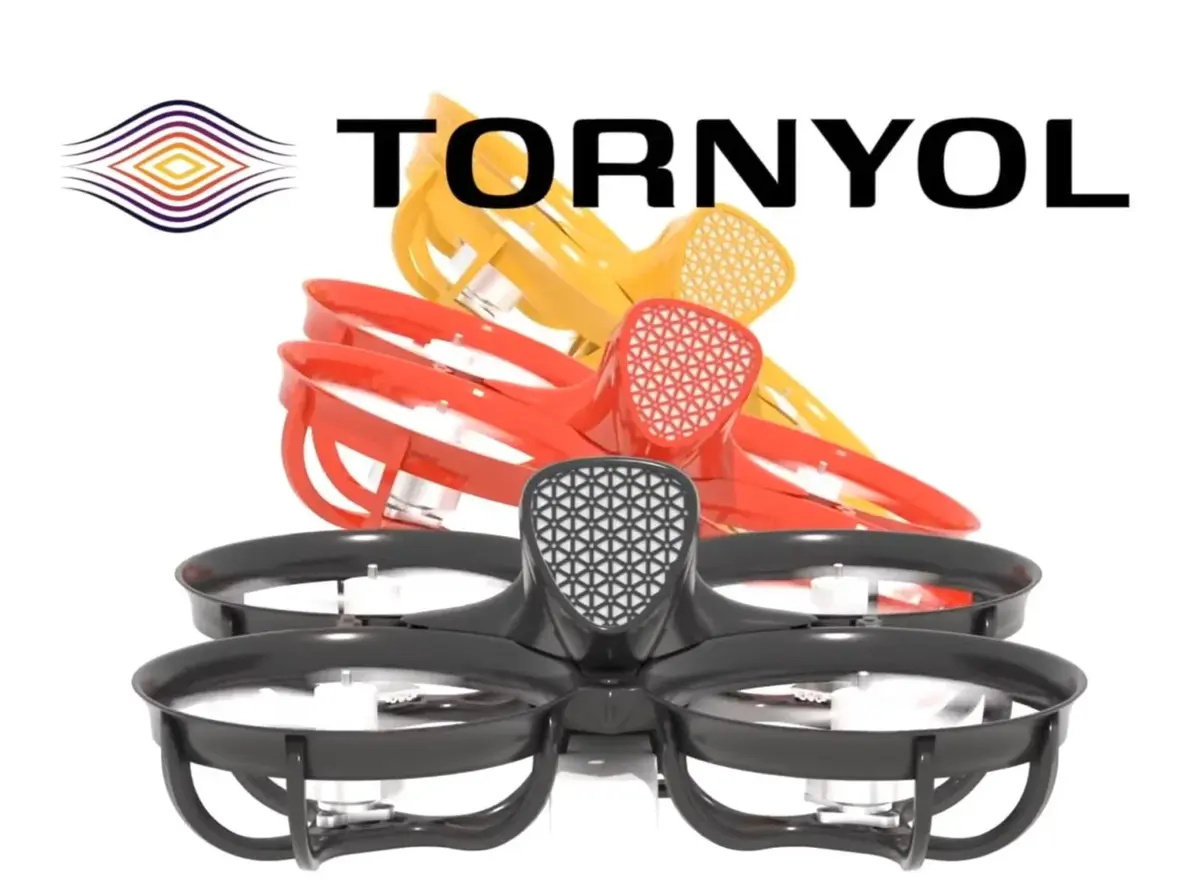
The system effectively transforms the battle against vector-borne diseases into an automated, precision-based aerial operation.
Ecological Consequences Require Careful Analysis
While the mechanical efficiency of these drones is impressive, the project faces significant scrutiny regarding the broader ecological balance. Historical precedents, such as the widespread use of DDT, demonstrate that human interference with nature often results in unforeseen and devastating environmental consequences. If mosquitoes are eradicated from specific regions, the various species that rely on them for food may experience a sudden collapse in their populations.
Experts emphasize that the removal of any species from an established ecosystem can create dangerous ripple effects. Even though Tornyol is currently focused on the immediate goal of reducing disease transmission, the long-term environmental sustainability of this high-tech intervention remains a subject of intense scientific debate. The company has yet to provide a comprehensive strategy for managing the potential loss of biodiversity caused by such aggressive population control.
Technological advancement must be balanced with the preservation of natural order to prevent unintended ecological disasters.
We invite you to share your perspective on whether you believe this technological intervention represents a breakthrough for public health or an unnecessary risk to our delicate ecosystems.
Your comment has been submitted,
it will be published after approval.