
Apple and OpenAI Face Email Confusion in Legal Battle

A high-stakes intellectual property dispute between Apple and OpenAI has hit a procedural snag, as an email confusion has emerged regarding allegations of trade secret theft. Apple recently claimed that OpenAI failed to respond to legal inquiries, but reports from NBC suggest that the ChatGPT developer did indeed provide responses, which were missed due to misaddressed correspondence from Apple’s external legal counsel. The error reportedly involved confusing the surnames of two employees, specifically complicating matters related to former Apple staffer Chang Liu. This administrative oversight has cast doubt on the accuracy of Apple’s court filings and prompted questions regarding the communication protocols between the two tech giants.
- Apple accused OpenAI of ignoring formal legal inquiries regarding intellectual property theft.
- Evidence indicates that Apple’s legal team sent critical communications to the wrong email addresses.
- OpenAI maintains that it followed internal corporate protocols for handling legal correspondence.
- The administrative error has weakened the public perception of Apple’s claims in the ongoing litigation.
Legal Missteps Complicate the Ongoing Case
The administrative breakdown occurred when Apple’s external legal advisors allegedly mixed up the names of two OpenAI employees. This clerical error led to legal warnings being sent to incorrect recipients or failing to reach the appropriate legal departments within the AI firm. While Apple reportedly apologized upon discovering the mistake, the incident has created a significant hurdle in the transparency of the legal proceedings.
The confusion suggests that even global technology leaders remain vulnerable to basic administrative errors during high-stakes litigation.
OpenAI’s internal governance requires that any communication regarding legal threats must be routed directly to the legal department. Consequently, the company argues that even if an email was misdirected to a specific employee, it should have been escalated internally. The fact that these emails went unnoticed suggests a breakdown in internal communication channels that both sides are now leveraging to their advantage.
Procedural Errors Shift the Focus of the Dispute
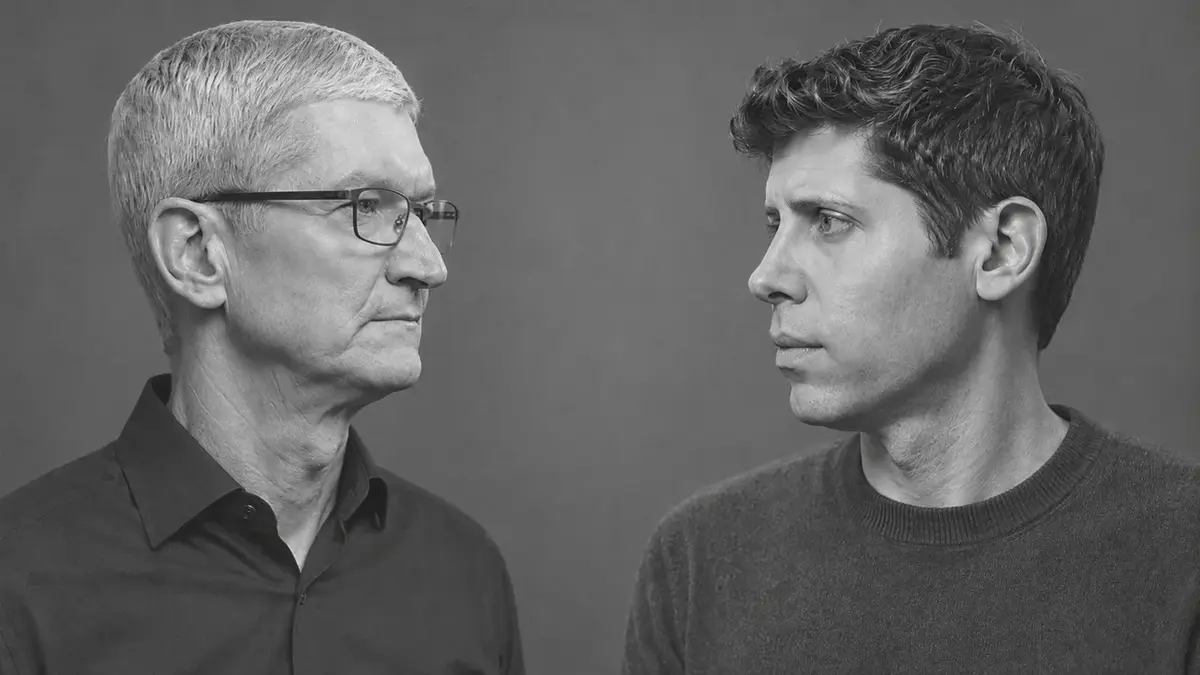
Despite the email controversy, the core allegations regarding trade secret theft remain the primary focus of the litigation. Apple has continued its pursuit of legal remedies, yet the decision to rely heavily on external counsel rather than direct executive-level communication with OpenAI CEO Sam Altman has drawn scrutiny from industry observers. This strategy mirrors tactics seen in past high-profile intellectual property cases, such as the long-standing legal battles between Apple and Samsung.
As the case progresses, the court will likely require full access to the email logs to determine exactly where the communication failure occurred. While the “lack of response” claim was presented as a critical piece of evidence, its inaccuracy has provided OpenAI with an opportunity to challenge the integrity of Apple’s broader legal narrative.
The procedural integrity of these filings is essential to the court’s perception of the merits of the case. Whether this specific communication failure will influence the final ruling remains a subject of intense debate among legal analysts who follow the intersection of AI development and corporate law.
The courtroom will soon decide if these missed emails are merely a clerical distraction or a sign of deeper failures in the legal process.
Given the complexity of this legal standoff, we invite our readers to share their perspectives on whether this administrative email blunder will ultimately sway the court’s decision in favor of OpenAI.
Your comment has been submitted,
it will be published after approval.