
New Car Tax Regulation Changes How SCT is Calculated

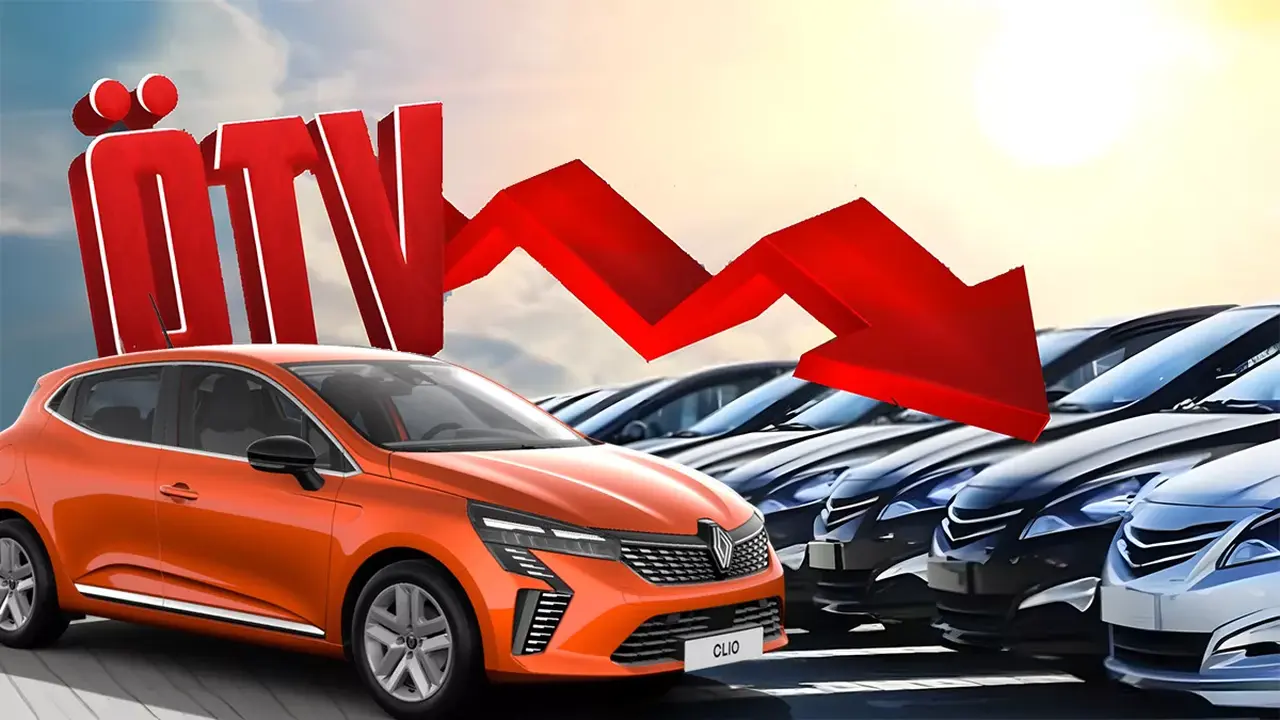
The Planning and Budget Committee of the Grand National Assembly of Turkey (TBMM) has officially approved a significant legislative amendment that fundamentally alters how the Special Consumption Tax (SCT) is determined for automobiles. Traditionally, the SCT system relied strictly on engine cylinder capacity and the base price of the vehicle. Under the new directive, the government plans to incorporate vehicle traction systems as a core technical parameter in the calculation process. This legislative shift aims to establish a more equitable and technically robust framework for automotive taxation, impacting how both domestic and imported vehicles are classified within the national market.
- The legislative amendment introduces vehicle traction systems as a mandatory variable for calculating the Special Consumption Tax.
- The new regulatory framework moves beyond simple engine cylinder volume to incorporate advanced technical vehicle specifications.
- Automotive manufacturers and distributors are currently awaiting secondary legislation to clarify the specific tax brackets for different traction types.
- The shift in tax policy reflects a broader governmental effort to modernize vehicle taxation based on modern engineering standards.
Technical Criteria Gain Prominence in Taxation
For many years, the Turkish automotive industry operated under a tax system that prioritized the base price and engine displacement. However, this latest legislative move suggests a transition toward a more granular evaluation of vehicle technology. By including traction systems in the taxation matrix, authorities are signaling that modern driving technologies, such as all-wheel-drive (4×4) configurations, will now carry a different regulatory weight. This change is expected to reshape the competitive landscape, as manufacturers must now account for how these technical specifications influence the final tax burden on the consumer.
The integration of drivetrain technology into tax policy marks a pivotal shift in automotive market dynamics.
Traction System Changes May Affect Vehicle Pricing
Industry experts emphasize that the inclusion of traction systems will likely trigger shifts in current tax brackets. Vehicles that feature low engine displacement but offer advanced traction capabilities are expected to fall under a new, distinct tax scale. This development is particularly important for consumers who prioritize high-performance or specialized drivetrain vehicles, as their purchasing decisions will now be influenced by these technical classifications.

The move essentially forces a recalibration of vehicle pricing strategies across the entire sector. As the technical sophistication of an automobile becomes a direct driver of its tax liability, manufacturers may need to adjust their product offerings to maintain affordability. The market is currently bracing for potential price adjustments as the full implications of this legislation become clearer.
Stakeholders Monitor the Legislative Process Closely
While the bill has received committee approval, the automotive sector remains in a period of transition. Manufacturers and distributors are actively following the developments, waiting for the publication of secondary legislation and official communiqués to understand the specific tax impact on various drivetrain designs. The clarity provided by these forthcoming documents will be essential for both businesses and prospective car buyers. It is highly recommended that individuals planning to purchase a vehicle monitor these official updates, as the final regulatory details will determine the ultimate fiscal impact on new car transactions.
How do you anticipate these changes to traction system taxation will influence the pricing and availability of your preferred vehicle models? We invite you to share your thoughts and expectations regarding this new tax structure in the comments section below.
Your comment has been submitted,
it will be published after approval.