
Second-Hand Vehicle Market Sales Decline Slightly in 2026

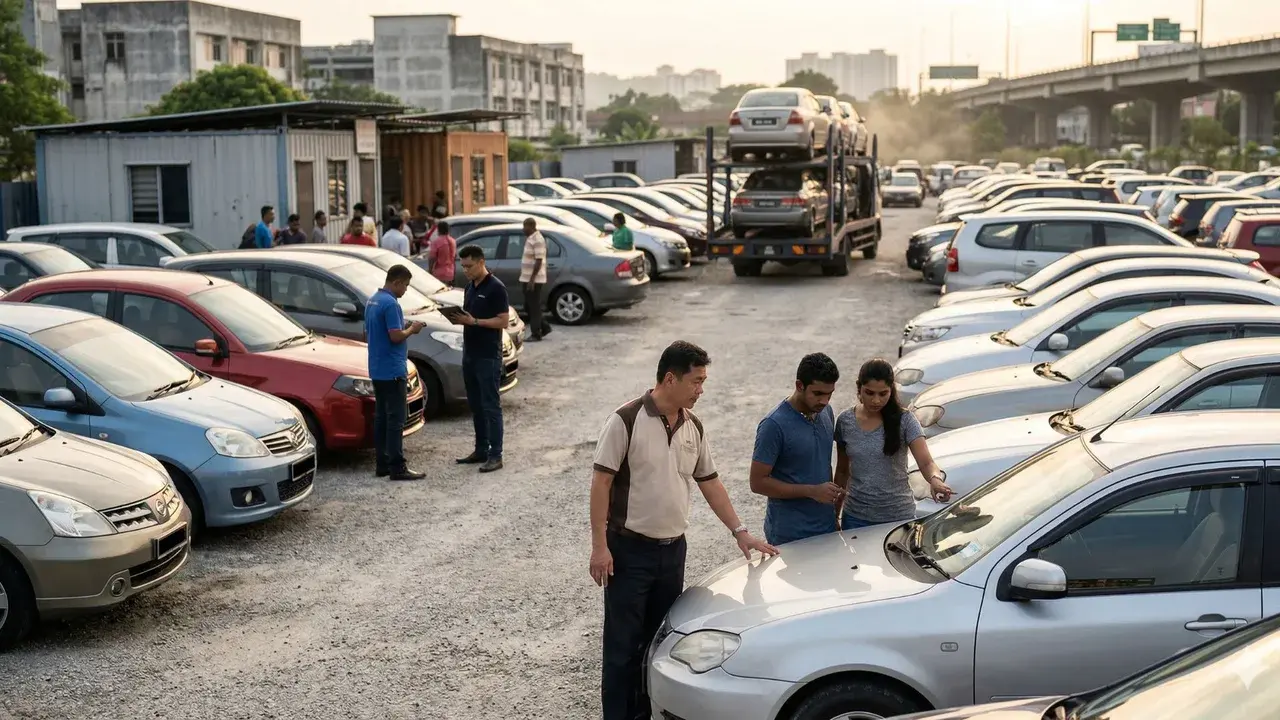
According to the latest data released by 2PLAN, the second-hand vehicle market, covering both passenger and light commercial categories, experienced a minor contraction during the first half of 2026. Official figures reveal that total sales reached 4,302,796 units, representing a roughly 1 percent decrease compared to the same period in the previous year. This deceleration in the second-hand vehicle market is primarily attributed to high interest rates, significant challenges in obtaining automotive financing, and aggressive promotional campaigns launched by new car manufacturers. Market analysts are currently observing a period of cautious recalibration where supply, demand, and pricing structures are finding a new equilibrium.
- The second-hand vehicle market recorded 4,302,796 total sales during the first six months of 2026.
- Rising interest rates and competitive new vehicle pricing contributed to a 1 percent decline in sales volume.
- Market experts project the total annual sales for 2026 to settle between 8.5 and 9 million units.
High-interest environments continue to act as the primary barrier for prospective buyers in the automotive sector.
Market Dynamics Reveal Current Pricing Trends
Orhan Ülgür, the Executive Board Chairman of 2PLAN, suggests that while it is premature to characterize the current market sentiment as optimistic or undergoing significant expansion, the data does not indicate a severe downturn. The sector remains in a stabilization phase, balancing external economic pressures with consumer demand.
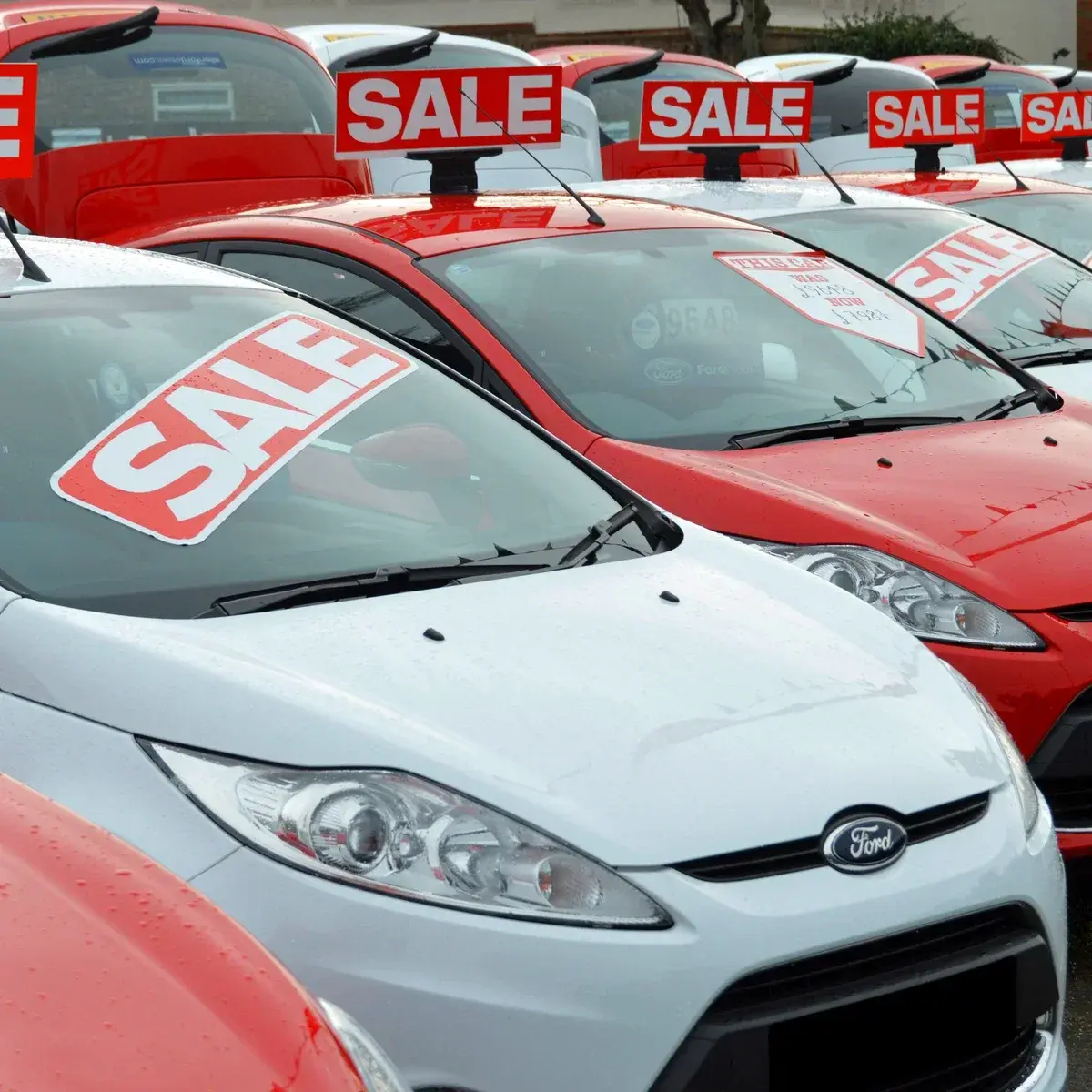
A notable trend identified in the recent analysis is the return of second-hand vehicle prices to their January 2026 levels. The combination of financing incentives provided for zero-kilometer vehicles and aggressive discount strategies continues to exert downward pressure on the market value of used cars, particularly those in the 1 to 3-year age bracket. This shift has also impacted the trade-in values currently offered by dealerships.
Furthermore, while alternative financial models are beginning to emerge and gain traction, their influence on the broader market remains limited. Industry representatives emphasize that the impact of these financing methods will likely be felt gradually rather than through immediate, widespread changes in consumer purchasing behavior.
Experts Predict Future Market Performance
The trajectory for the remainder of the year will be heavily influenced by several critical economic indicators. Specifically, the evolution of auto loan interest rates, the ease of access to credit lines, fluctuations in foreign exchange rates, and the sustainability of new car manufacturer campaigns will define the sector’s performance in the second half of 2026.
Total market volume is expected to close the year within a range of 8.5 to 9 million units.
As the automotive industry navigates these complexities, stakeholders remain focused on maintaining liquidity and managing inventory levels effectively. The current environment demands strategic patience from both individual buyers and commercial sellers alike.
We are interested in hearing your perspective on these market developments; how do you anticipate vehicle prices will shift in the coming months, and are you planning to enter the market soon?
Your comment has been submitted,
it will be published after approval.