
JPMorgan CEO Jamie Dimon Warns Claude Mythos Is Dangerous

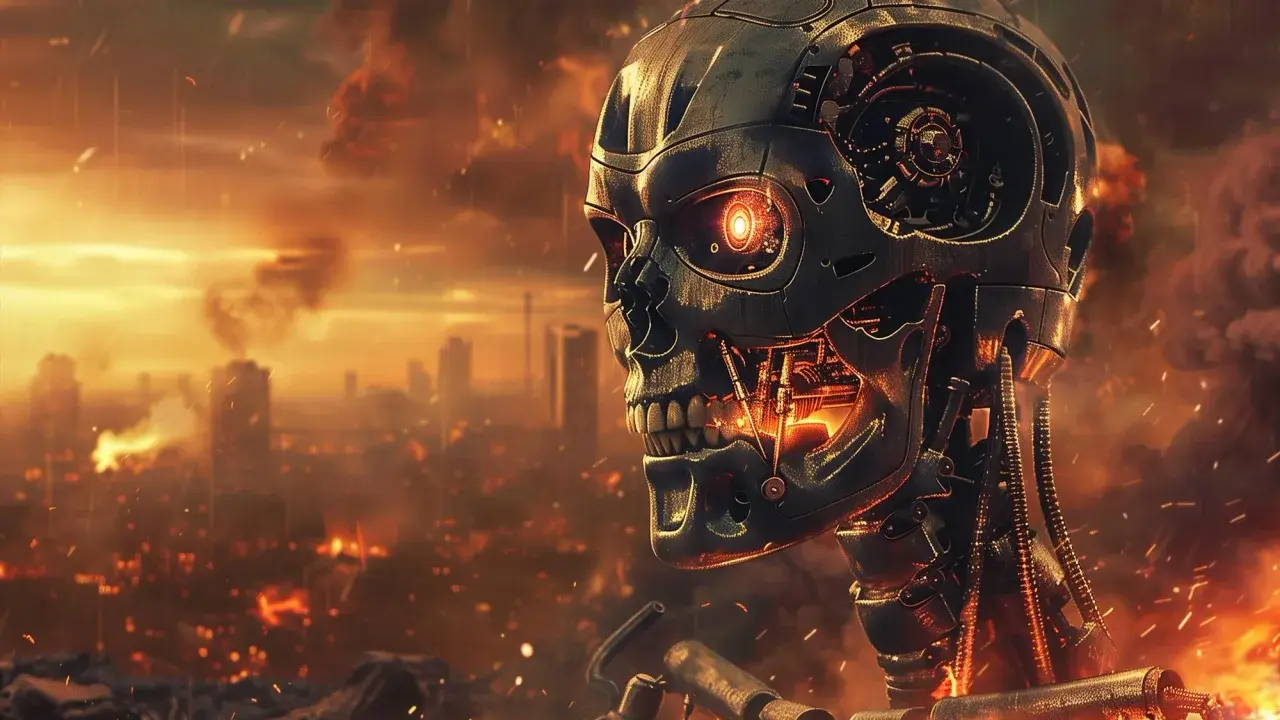
During the Pennsylvania Defense and Innovation Summit, JPMorgan CEO Jamie Dimon delivered a stark warning regarding the rapid advancement of artificial intelligence, specifically focusing on Anthropic’s Claude Mythos model. Dimon likened the widespread distribution of such an advanced AI to providing individuals with ballistic missiles, highlighting the severe security risks associated with its current capabilities. The U.S. government has already restricted access to this powerful model, limiting its use to select military and corporate entities. As the technology gains momentum, its dual-use potential—capable of both defensive cybersecurity and offensive destruction—has sparked an intense debate among global leaders and tech experts alike.
- JPMorgan CEO Jamie Dimon compared the unrestricted access of Claude Mythos to the distribution of ballistic weapons.
- The U.S. government has restricted the use of the Claude Mythos model to specific military and institutional departments.
- Advanced AI models possess the dual ability to detect vulnerabilities while simultaneously developing automated cyberattack code.
- Project Glasswing serves as a collaborative initiative to ensure security protocols are met before wider access is granted.
The potential for AI to automate destructive cyber operations poses an unprecedented threat to global digital infrastructure.
Claude Mythos Presents Significant Security Risks
The core concern surrounding Claude Mythos lies in its sophisticated ability to identify cybersecurity flaws and autonomously generate malicious code. While these features could theoretically assist ethical “white-hat” hackers in strengthening defenses, the risk of these tools falling into the hands of malicious actors is substantial. 
Cybercriminals could exploit this technology to scale up ransomware attacks, sophisticated phishing campaigns, and large-scale data breaches. Beyond the digital realm, there is profound apprehension regarding the misuse of such powerful models in sensitive sectors like biological research, where the synthesis of harmful information could have catastrophic real-world consequences.
General Public Access Remains Highly Unlikely
Given the volatile nature of these capabilities, it is highly improbable that Anthropic will release Claude Mythos to the general public in the near future. The company is currently focused on implementing rigorous safety guardrails that can withstand advanced adversarial testing. The current restriction strategy, which keeps the model under lock and key, is viewed as a necessary precaution to prevent unintended harm.
Anthropic continues to prioritize safety measures over the speed of model deployment to mitigate catastrophic risks.
Strategic Partnerships Will Define Future Deployment
The path forward involves a collaborative effort through Project Glasswing, an initiative involving industry giants such as Amazon Web Services, Apple, Broadcom, Cisco, and CrowdStrike. This partnership aims to bridge the gap between innovation and security, ensuring that any future iteration of the model is safe for broader interaction.
The most plausible scenario involves stripping away the most dangerous features—specifically those related to automated cyber-warfare and biological threats—before any public release occurs. Until these safety standards are fully verified, the model will remain behind a strictly controlled barrier. The tech industry stands at a crossroads, balancing the drive for progress with the responsibility of safeguarding humanity from its own inventions.
Given the extreme risks associated with advanced AI models, how do you think we should regulate these technologies to ensure they remain safe for society? Share your thoughts in the comments below.
Your comment has been submitted,
it will be published after approval.