
Former Tesla Executive Alleges Neglected Safety in FSD Testing

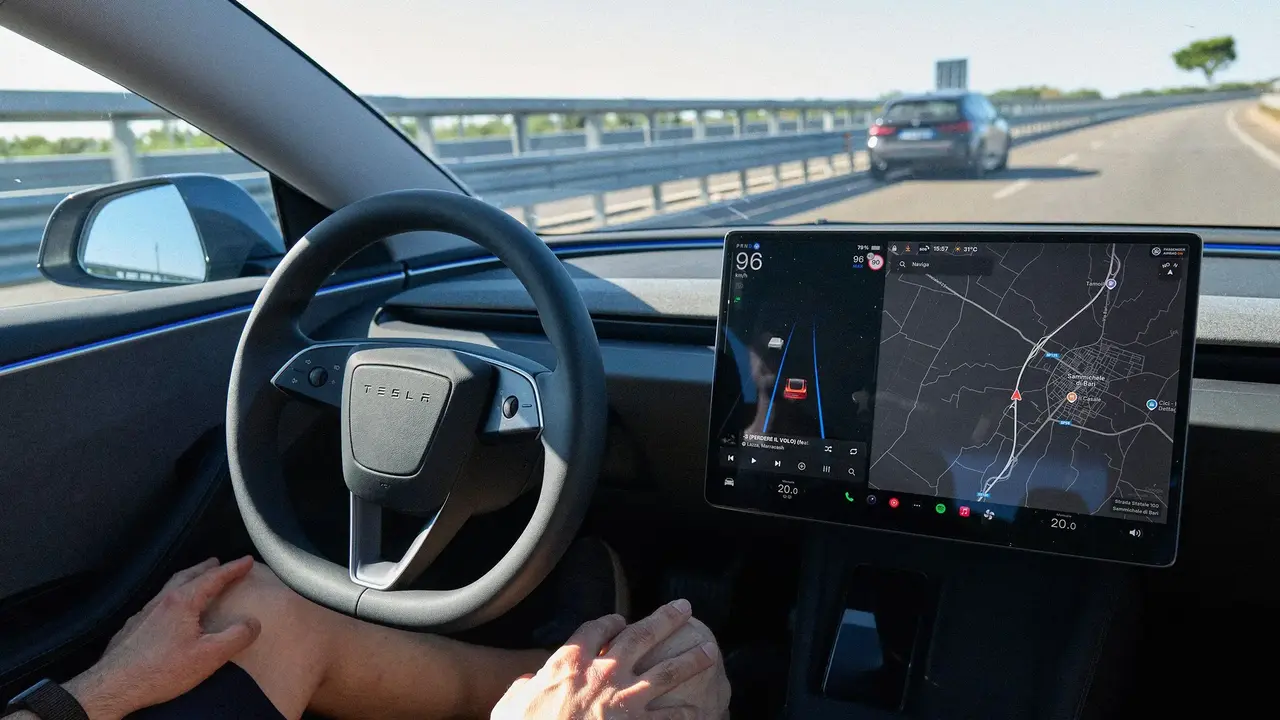
A former Tesla executive, Javier Medrano, has filed a wrongful termination lawsuit against the electric vehicle manufacturer, claiming his dismissal followed his reports regarding systemic safety deficiencies within the Full Self-Driving (FSD) testing program. Medrano, who previously oversaw operations in the Houston region, alleges that severe personnel shortages and inadequate resource allocation transformed the company’s robotaxi testing into a significant public road hazard. As Tesla pushes forward with its autonomous driving ambitions, these serious allegations bring renewed scrutiny to the company’s internal safety protocols and the operational pressures placed on employees managing real-world vehicle testing.
- Javier Medrano filed a lawsuit claiming he was wrongfully terminated after reporting safety lapses in Tesla’s FSD program.
- The plaintiff alleges that the supervisor-to-operator ratio reached dangerous levels, far exceeding established safety guidelines.
- A documented accident allegedly occurred due to operator exhaustion and management’s failure to address staffing concerns.
- Federal regulators are currently reviewing Tesla’s autonomous driving technology amid mounting concerns over operational failures.
Staffing Shortages Compromise Safety Operations
The legal filing reveals a concerning trend regarding the oversight of autonomous vehicle testing. Medrano reports that the number of security operators under his management climbed to 38, a figure that significantly violates the 1-to-15 ratio mandated by Tesla Autopilot Director Pete Scheutzow. 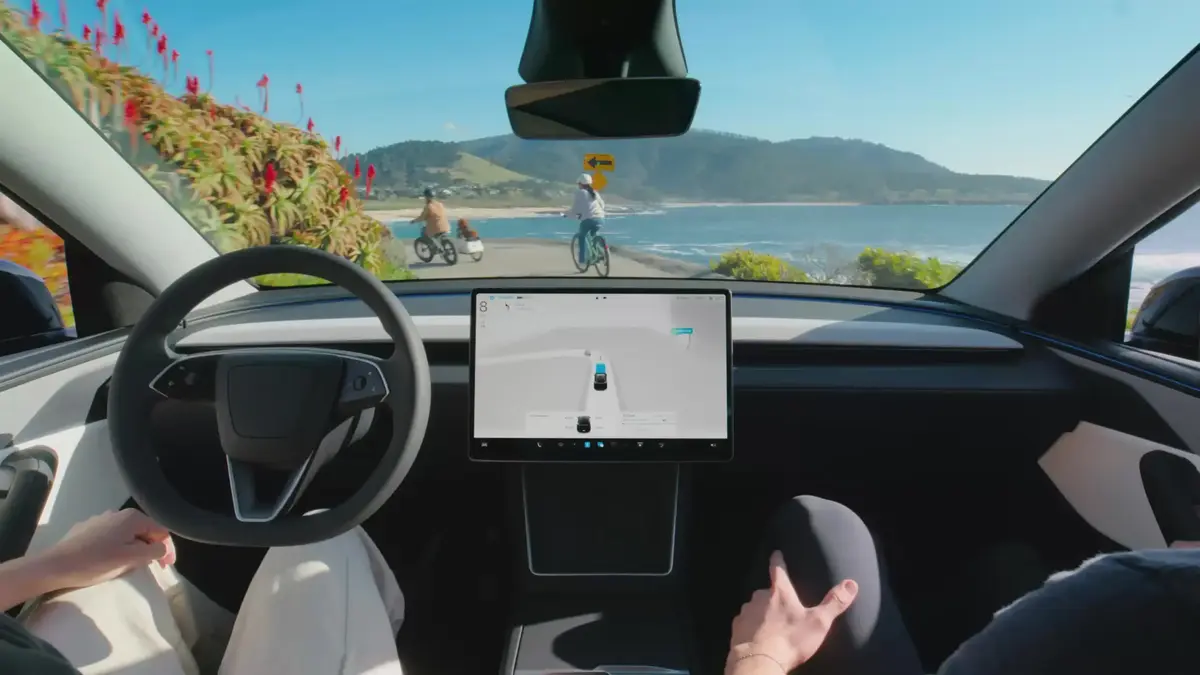 According to the lawsuit, Medrano repeatedly brought these critical staffing imbalances to the attention of leadership, yet his warnings were dismissed.
The neglect of these safety ratios directly contributed to a preventable collision during active testing.
Medrano claims that when he attempted to express concerns regarding extreme burnout and the inability to maintain adequate surveillance, his feedback was ignored by senior management. This systemic neglect reached a breaking point when an operator, overwhelmed by the workload, failed to intervene during a test, resulting in a vehicular accident. The lawsuit further alleges that Medrano himself was pressured to manage these complex scenarios while suffering from exhaustion, which allegedly led to critical errors in directive communications.
Software and Management Practices Face Scrutiny
Beyond the immediate administrative failures, the integrity of Tesla’s autonomous software remains under fire. Data labelers have reportedly observed that the Full Self-Driving software frequently struggles with fundamental driving tasks, casting doubt on the readiness of the technology for widespread deployment. The National Highway Traffic Safety Administration (NHTSA) continues to conduct rigorous investigations into Tesla’s autonomous systems, examining how these software limitations interact with human oversight.
Regulatory investigations and internal whistleblowing have significantly damaged public trust in current autonomous capabilities.
Future Challenges Loom for Autonomous Technology
The combination of mounting accident reports, ongoing federal investigations, and allegations of retaliatory firing creates a complex environment for the future of Tesla’s robotaxi fleet. Medrano is currently seeking reinstatement to his former position alongside compensation for both financial and emotional distress incurred during his tenure. As the industry watches this case unfold, the pressure on Tesla to demonstrate operational transparency grows substantially. The outcome of this litigation could establish a legal precedent for how autonomous vehicle companies manage their internal reporting of safety risks and employee welfare.
We invite you to share your perspective on these allegations; do you believe current autonomous testing protocols are sufficient to ensure public safety on our roads?
Your comment has been submitted,
it will be published after approval.