
Microsoft Faces Significant Financial Losses on Every Xbox Sold

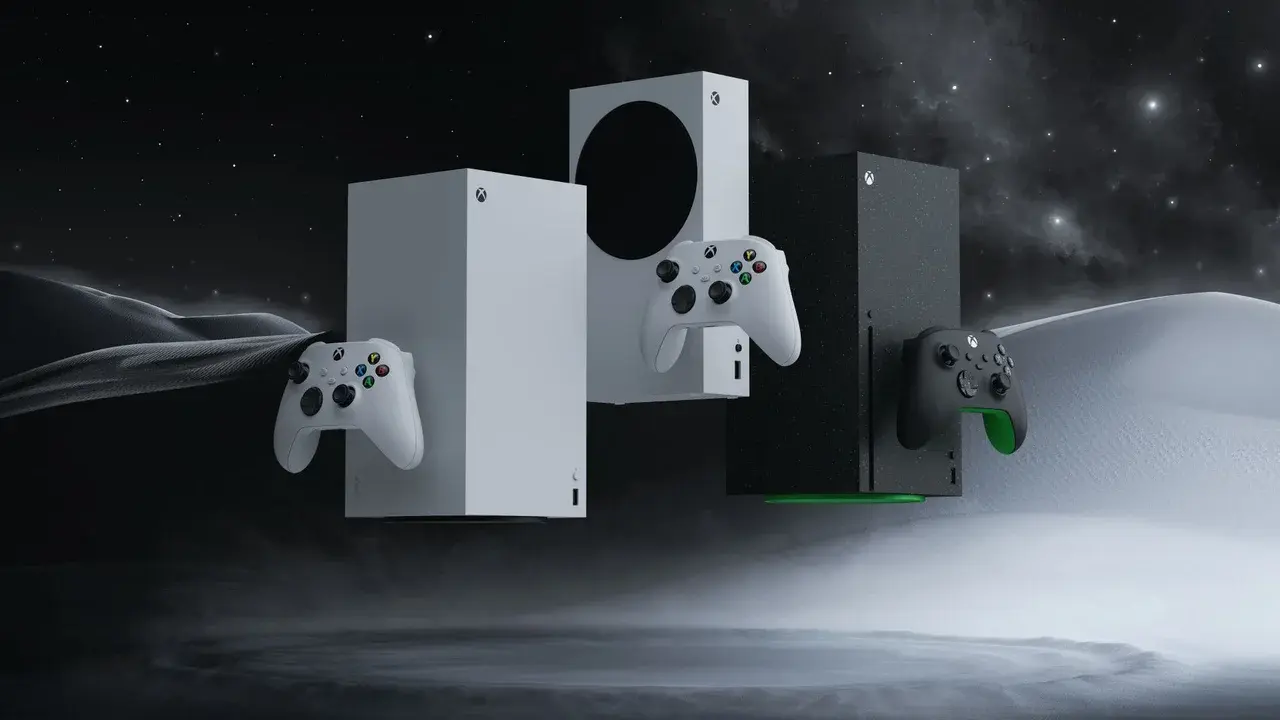
Microsoft is currently grappling with substantial financial pressures within its gaming division as reports indicate the company loses approximately $150 on every Xbox Series X and Series S console sold. According to industry analyst Jez Corden, the tech giant faces a challenging landscape where high manufacturing costs for memory and RAM components consistently outweigh the retail price of the hardware. This ongoing struggle with Xbox profit margins highlights the broader difficulties Microsoft faces in maintaining a competitive hardware strategy while navigating a volatile global supply chain that impacts production costs and overall profitability for the gaming brand.
- Microsoft incurs a loss of roughly $150 for every individual Xbox Series X and Series S unit sold.
- Rising costs for storage and memory components significantly hinder the company’s hardware profitability targets.
- The organization is currently developing a new console under the internal codename Project Helix.
- Executives confirm that supply chain constraints and increased component pricing severely limit production capacity.
The financial gap created by manufacturing costs forces Microsoft to rethink its long-term hardware distribution strategy.
Project Helix Aims to Reshape Gaming Hardware
As Microsoft continues to navigate the current generation’s fiscal challenges, internal efforts have shifted toward the development of the next-generation console, internally referred to as Project Helix. Industry insiders suggest that this future iteration represents a significant leap in technology, though it comes with a steep price tag. Preliminary estimates indicate that the retail cost of this upcoming console may exceed $1,000 per unit, reflecting the premium hardware requirements of the next era. 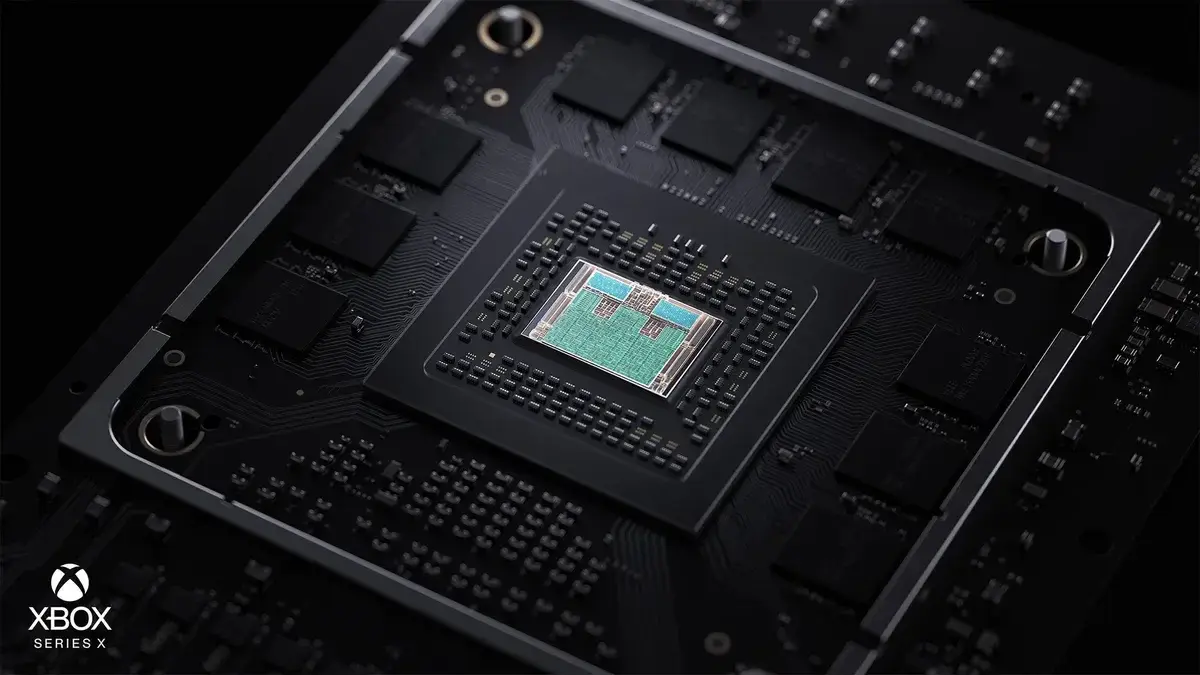
The company is currently targeting a release window between late 2027 and early 2028 for this new hardware. By focusing on this timeline, Microsoft intends to pivot its strategy and address the inefficiencies that have plagued the current generation. The development of Project Helix is expected to serve as the cornerstone for the company’s future in the console market.
Supply Chain Volatility Impacts Production Capabilities
The challenges facing the Xbox division extend far beyond simple pricing models, as executives Matt Booty and Asha Sharma recently highlighted severe disruptions in component procurement. During a recent internal discussion, management revealed that the cost of storage components has doubled since last autumn and continues to rise at an alarming rate. These unforeseen expenses create a difficult environment for long-term planning.
Looking ahead to the 2027 holiday season, leadership anticipates that component costs could climb to five times the levels observed two years ago. This surge in expenses is compounded by the rising price of memory, which remains a critical bottleneck for console assembly. Microsoft management has openly acknowledged that their specific strategic choices have left them more vulnerable to the current global semiconductor and component crisis compared to their direct competitors in the gaming industry.
Component shortages have effectively stifled Microsoft’s ability to manufacture a sufficient volume of consoles to meet consumer demand.
The combination of these rising costs and limited production capacity paints a complex picture for the future of Xbox. While the company maintains its commitment to the gaming sector, the path toward achieving sustainable hardware profitability remains steep. As the industry evolves, the market will closely watch how Microsoft balances these extreme supply costs with the need to keep their consoles accessible to a wide range of players.
Given the ongoing financial challenges and the high production costs mentioned, do you believe Microsoft should continue focusing on dedicated console hardware or transition further toward a cloud-based gaming model? Share your thoughts in the comments section below.
Your comment has been submitted,
it will be published after approval.