
Samsung Prepares 7-10% Price Hike on DRAM and NAND Memory

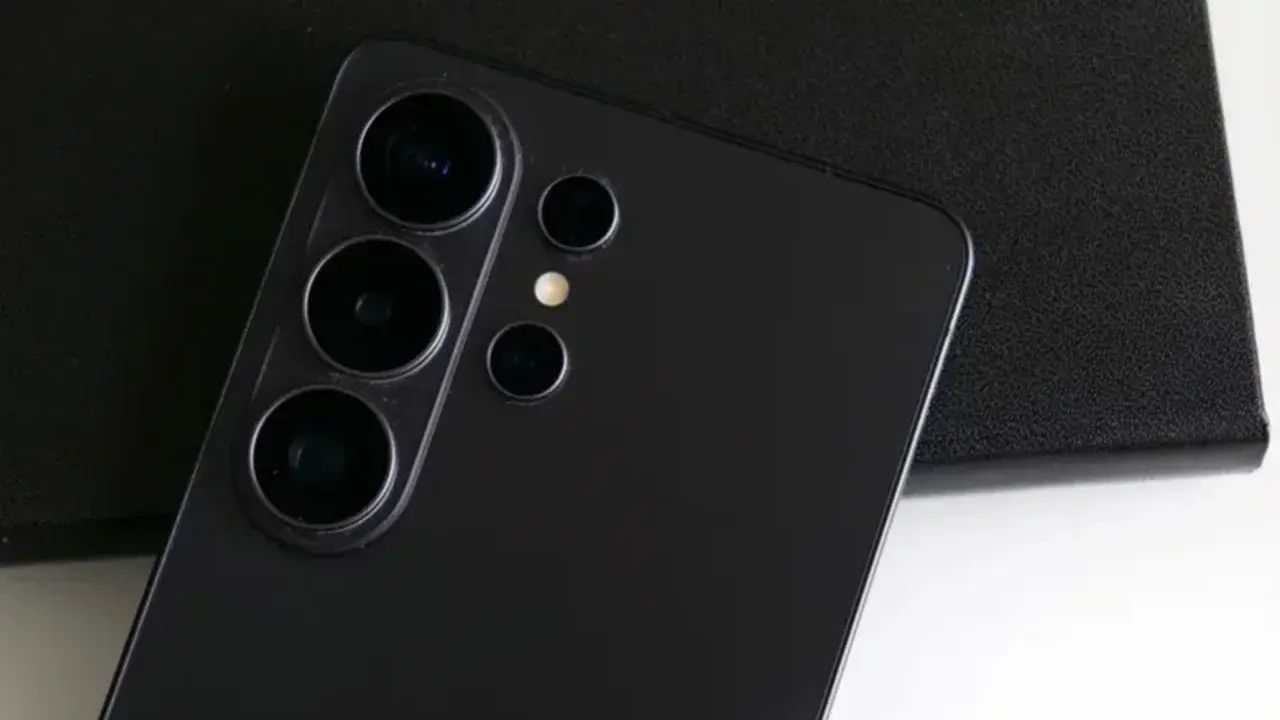
Samsung Electronics, a global technology leader, is reportedly planning a price increase of 7% to 10% for its DRAM and NAND flash memory chips. This strategic move is expected to impact not only Samsung’s own Galaxy series of smartphones, tablets, and smartwatches but also significantly affect the production costs for major technology manufacturers, including Apple, which rely on Samsung for these critical components. Industry analysts suggest that rising raw material expenses and ongoing supply chain volatility are making these price adjustments inevitable, with the increases likely to be passed on to end consumers.
Memory Costs Are Deeply Affecting the Tech Industry
DRAM and NAND memory technologies form the fundamental building blocks of modern smartphones and computers. A potential 10% price surge from a market leader like Samsung directly escalates manufacturing costs, particularly for devices with substantial storage capacities. This decision carries the potential to introduce new turbulence into the technology market, which has been striving for stability following the global chip crisis. The ripple effect across the industry could be substantial, influencing product development cycles and consumer pricing strategies worldwide.
- Samsung is considering a 7% to 10% price increase for DRAM and NAND flash chips.
- These cost hikes may translate into higher prices for Galaxy devices and competing brands.
- Apple previously implemented price increases across its product range due to memory supply issues.
Major Brands Are Rethinking Product Prices
Major players in the market, such as Apple, have already navigated similar challenges. Following memory supply disruptions around June 25th, the company adjusted pricing for its Mac and iPad models and recently implemented similar price hikes for its iPhone series. Samsung’s potential decision to increase memory prices could prompt Apple and other tech manufacturers to re-evaluate their own pricing strategies. Consumers might face higher price tags for next-generation devices in the coming months, making the latest technology less accessible.
Industry Pricing Policies Are Being Closely Monitored
Samsung Electronics’ proposed pricing strategy is of significant interest not only to hardware manufacturers but also to software ecosystems and service providers. The combination of rising memory costs and broader inflationary pressures could pose challenges to the affordability of smartphones. Experts are keenly observing whether companies will fully transfer these increased costs to consumers or absorb some of the impact. Concurrently, accelerated efforts to explore alternative supply chains could reshape competitive dynamics within the industry, potentially leading to a more diversified and resilient market in the long term.
How do you think Samsung’s planned increase in memory prices will affect smartphone costs? If you’re planning to buy a new phone, how does this news impact your decision? Share your thoughts in the comments section below.
Your comment has been submitted,
it will be published after approval.