
Steam Gamers Shift Preference Toward 16 GB VRAM Graphics Cards

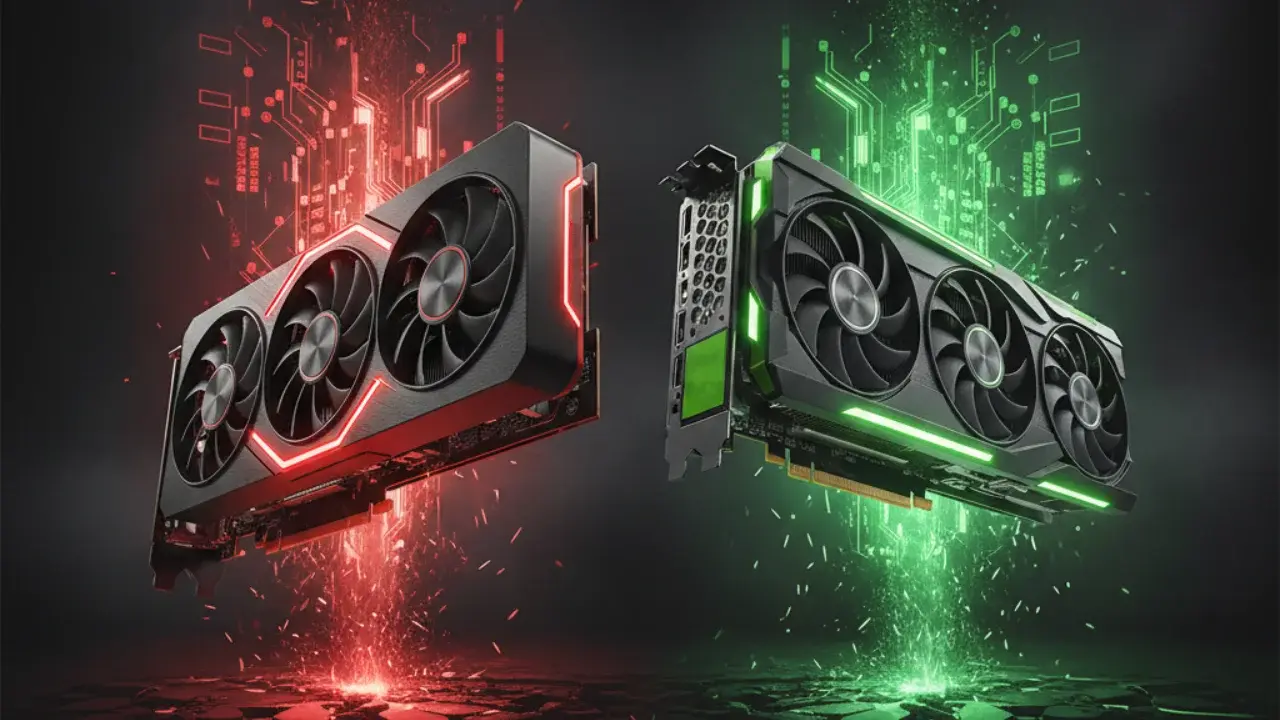
Recent hardware surveys conducted on the Steam platform have revealed a significant shift in the preferences of PC gamers regarding their graphics card choices. As high-resolution gaming becomes increasingly accessible, the industry is witnessing a transition where traditional 8 GB VRAM models are being replaced by more robust 16 GB VRAM units. This trend, captured in the latest Steam data, highlights that high video memory capacity is rapidly becoming the new standard for gamers aiming to future-proof their systems. As modern software demands more resources, players are proactively upgrading their hardware to ensure compatibility with the latest graphical requirements.
- Steam hardware surveys indicate a consistent rise in the adoption of 16 GB VRAM graphics cards among users.
- Modern graphical demands are pushing players to abandon lower-capacity hardware in favor of high-performance alternatives.
- The industry is shifting toward higher memory standards to accommodate the texture quality of contemporary gaming titles.
The widespread adoption of higher VRAM capacities signals a fundamental transformation in PC gaming standards.
Modern AAA Games Demand Higher Memory Capacities
The gaming industry has experienced a rapid evolution in graphics engine technology, leading to a substantial increase in video memory requirements for new releases. Today’s AAA titles are frequently pushing the limits of 8 GB VRAM configurations, particularly when users attempt to run these games at 4K resolution. This limitation often results in performance bottlenecks that negatively impact the overall gaming experience. Consequently, many users are opting for 16 GB VRAM cards as a strategic, long-term investment to maintain stability and performance across a broader library of resource-intensive games.
Hardware Manufacturers Adapt to Changing User Requirements
The growing demand for increased video memory has not gone unnoticed by hardware manufacturers, who are now adjusting their product strategies accordingly. Recent releases across entry-level and mid-range segments now feature higher memory capacities, reflecting a clear change in consumer expectations. Gamers are no longer focused solely on current performance; they are prioritizing hardware that ensures longevity for upcoming releases over the next several years. 
Sufficient VRAM is now essential for users who want to maximize their graphical settings without experiencing stuttering.
Market Dynamics Continue to Evolve Rapidly
This trend is not restricted to the premium high-end market segment. Price-conscious consumers are increasingly seeking out 16 GB VRAM options that offer the best value for their budget. As this preference continues to gain traction, it is becoming clear that cards with lower memory buffers are losing their market dominance. Analysts suggest that the shift observed in Steam’s latest data is a precursor to a wider industry movement where 16 GB becomes the baseline for a competent gaming machine.
Do you believe that 16 GB of VRAM has become a non-negotiable requirement for modern gaming, or is 8 GB still sufficient for your needs? We invite you to share your thoughts and the graphics card model currently powering your system in the comments section below.
Your comment has been submitted,
it will be published after approval.