
Turkey, Saudi Arabia, and Pakistan Sign Landmark Mecca Defense Agreement

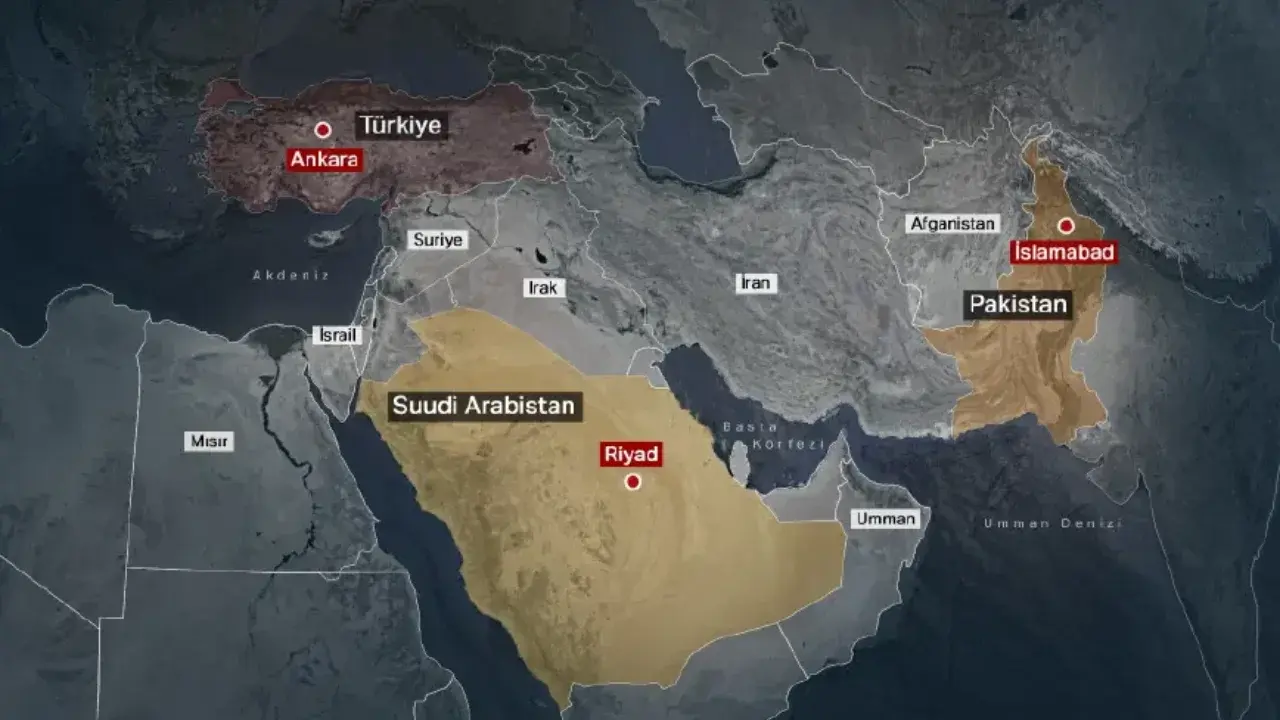
On August 7, 2026, a historic tripartite defense pact was finalized in Mecca, establishing a new security framework between Turkey, Saudi Arabia, and Pakistan. The agreement was formally signed by Turkish President Recep Tayyip Erdogan, Saudi Crown Prince Mohammed bin Salman, and Pakistani Prime Minister Shehbaz Sharif. This strategic alliance stipulates that an armed attack against any of the three signatory nations will be considered an act of aggression against all members. Grounded in Article 51 of the United Nations Charter, the pact underscores the collective commitment of these nations to regional stability and mutual defense through advanced technological integration and cooperation.
- The tripartite defense agreement treats an attack on one member nation as an aggression against all three states.
- Member nations intend to pursue joint production of defense technologies and integrate their military command structures.
- The pact includes strategic provisions for counter-terrorism, maritime trade security, and energy supply protection.
- Turkish officials clarified that this regional alliance serves as a complement to existing NATO commitments rather than a replacement.
This landmark agreement marks a significant shift in the regional security architecture of the Middle East and South Asia.
Defense Industry Capabilities are Being Combined
Beyond the collective security guarantee, the agreement emphasizes a profound synchronization of defense industrial bases. The participating countries aim to develop shared military technologies and ensure their tactical assets operate with seamless interoperability. This level of integration requires the adoption of common data link standards, unified command and control software architectures, and shared friend-or-foe identification systems to ensure operational cohesion during joint missions. 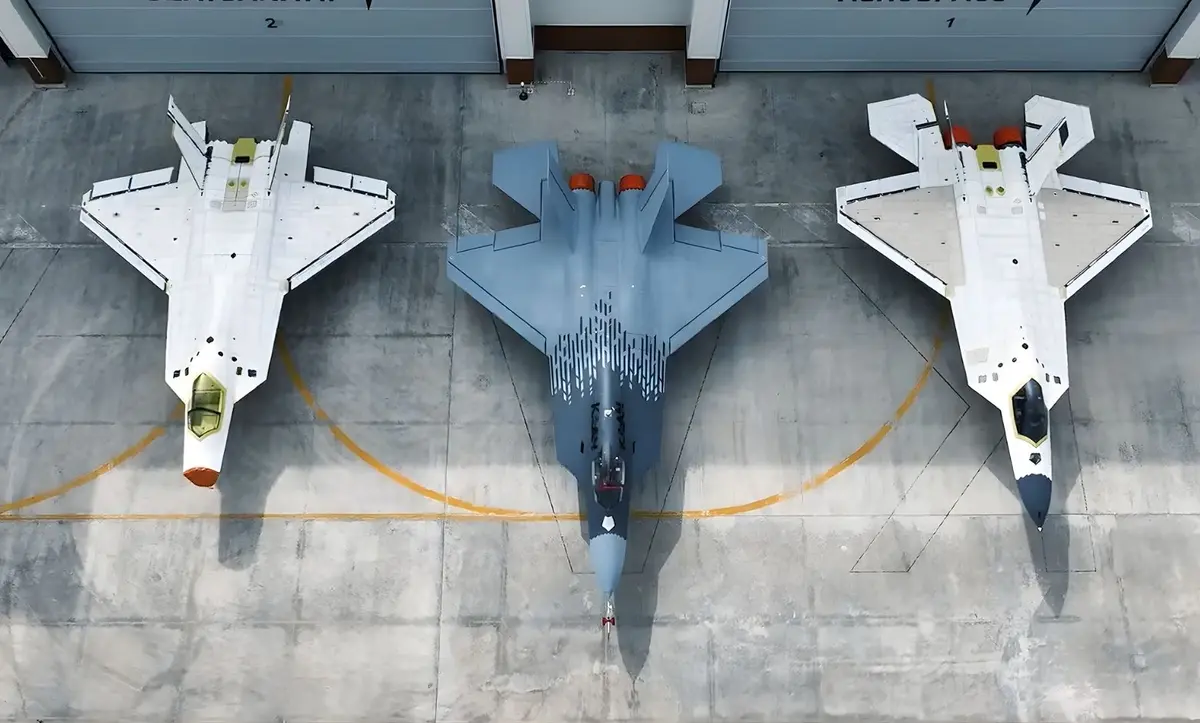
Existing Military Partnerships are Being Expanded
The groundwork for this cooperation was laid through long-standing bilateral initiatives. Turkey’s defense sector has already made significant inroads in Saudi Arabia, with Baykar facilitating the local production of the AKINCI unmanned aerial vehicle. Furthermore, leading Turkish defense firms like ASELSAN and ROKETSAN have solidified their presence in the region through specialized technical partnerships. President Erdogan has previously indicated that the KAAN national combat aircraft project remains a primary candidate for deeper Saudi investment as the Kingdom pursues its Vision 2030 goal of domesticating half of its defense procurement. 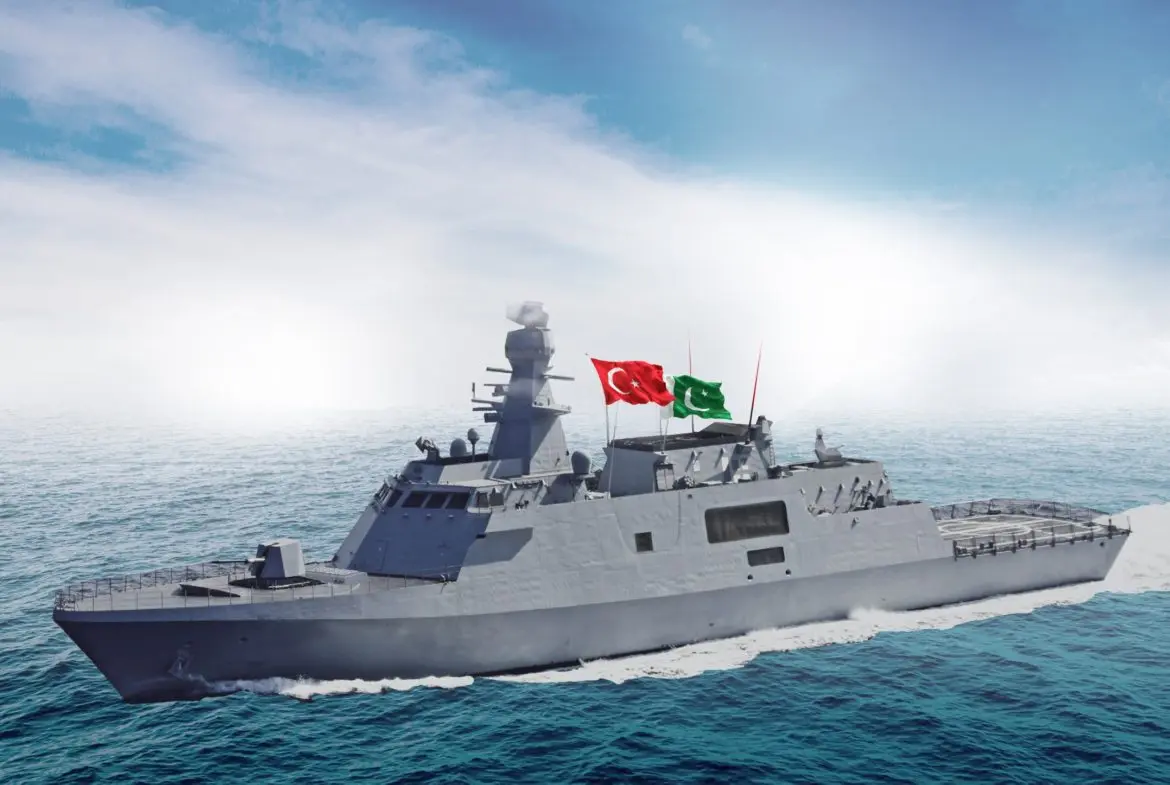
Pakistan brings extensive experience in joint military ventures to the partnership, particularly from its history of co-developing the JF-17 Thunder fighter jet with China.
Regional Security Protocols are Being Formalized
Pakistan continues to modernize its naval forces using Turkish technology, most notably through the acquisition of Babur-class corvettes built on the MİLGEM design. These assets are expected to play a crucial role in the newly defined maritime security cooperation framework. Turkish authorities have emphasized that the pact does not alter Turkey’s status within NATO, nor does it mandate the automatic deployment of Turkish troops in foreign conflicts. Any military involvement will remain subject to Turkey’s constitutional legislative processes, ensuring that the agreement functions as an essential regional supplement rather than a total shift in foreign policy alignment.
We invite our readers to share their perspectives on how this new tripartite defense alliance might influence the balance of power in the region; please leave your thoughts in the comments section below.
Your comment has been submitted,
it will be published after approval.