
Apple Prepares Ambitious Roadmap for iPhone Ultra 3 Launch

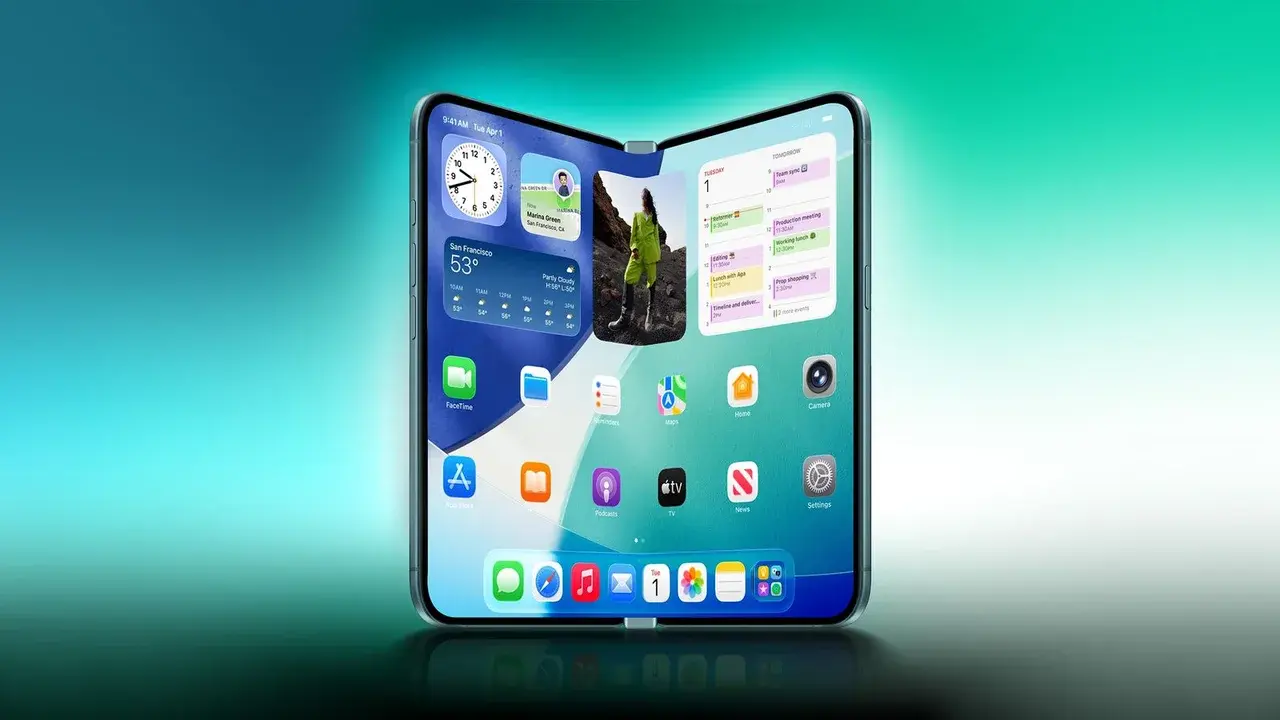
Apple is actively accelerating its long-term strategy for the foldable smartphone market, with recent reports from industry analyst Mark Gurman indicating that development for the third-generation foldable iPhone is already underway. While the technology giant prepares to debut its first foldable device, likely branded as the iPhone Ultra, the company has reportedly extended its internal roadmap to include follow-up iterations spanning until 2028. This strategic expansion suggests that Apple aims to solidify its position in the competitive mobile landscape by refining its foldable hardware design through multiple generations of incremental improvements and technological advancements.
- Apple intends to release the third generation of its foldable iPhone series by 2028.
- The upcoming iPhone Ultra will feature an ultra-thin design and integrate advanced A20 chipsets.
- Development plans for the second-generation foldable model have received official approval for a 2027 launch.
- The initial foldable device is expected to debut with a price point exceeding 2,000 dollars.
Foldable Designs Will Feature Larger Display Options
The upcoming third-generation foldable iPhone is expected to introduce significant changes to its physical display dimensions. Reports suggest that both the internal and external screens will see a substantial increase in size compared to earlier designs. While precise technical specifications remain unconfirmed, industry experts anticipate that the device will launch with a 7.8-inch internal screen paired with a 5.5-inch external display. This shift represents a commitment to providing a more versatile user experience while maintaining the high aesthetic standards associated with the brand.
The inaugural foldable iPhone Ultra will prioritize an ultra-thin form factor while potentially replacing Face ID with advanced Touch ID biometric authentication.
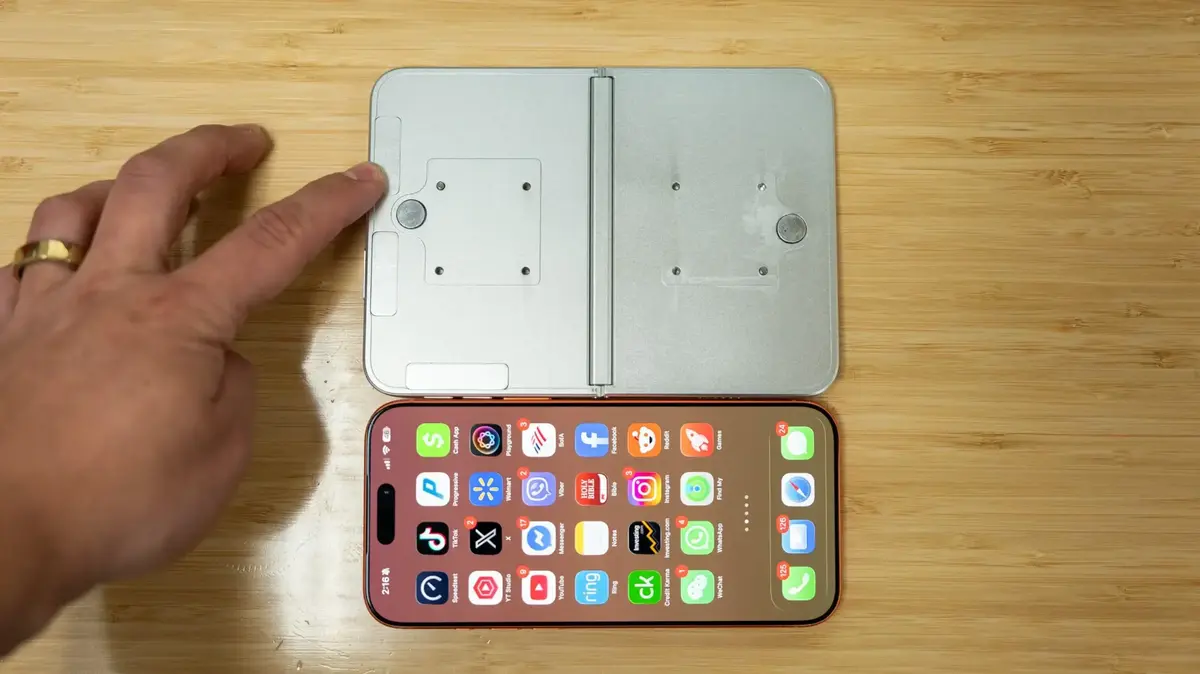
Hardware Specifications Will Drive Future Performance
Under the hood, the new foldable lineup will likely utilize the latest proprietary silicon, specifically the A20 chip and the advanced C2 modem. These components are intended to ensure that the device remains at the forefront of mobile performance, justifying its anticipated premium price tag of 2,000 dollars or more. By leveraging these powerful internal components, Apple intends to deliver a seamless transition between various usage modes on the foldable hardware.
Development Cycles Will Follow a Multi-Year Schedule
The development cycle for the second-generation foldable iPhone has already been granted formal approval. According to insights provided by Digital Chat Station, this successor will inherit and refine the screen technology implemented in the first model. The current schedule indicates that Apple plans to unveil this second-generation device in the autumn of 2027, potentially aligning the launch with the twentieth anniversary of the iPhone series.
Apple plans to maintain a sustained presence in the foldable market by rolling out new iterations annually through 2028.
We are eager to hear your perspective on this long-term strategy; do you believe Apple’s pivot toward foldable devices will successfully shift consumer demand, or should the company focus on other innovations? Please share your thoughts in the comments section below.
Your comment has been submitted,
it will be published after approval.