
AMD Launches Affordable Ryzen 7 449 and Ryzen 5 439

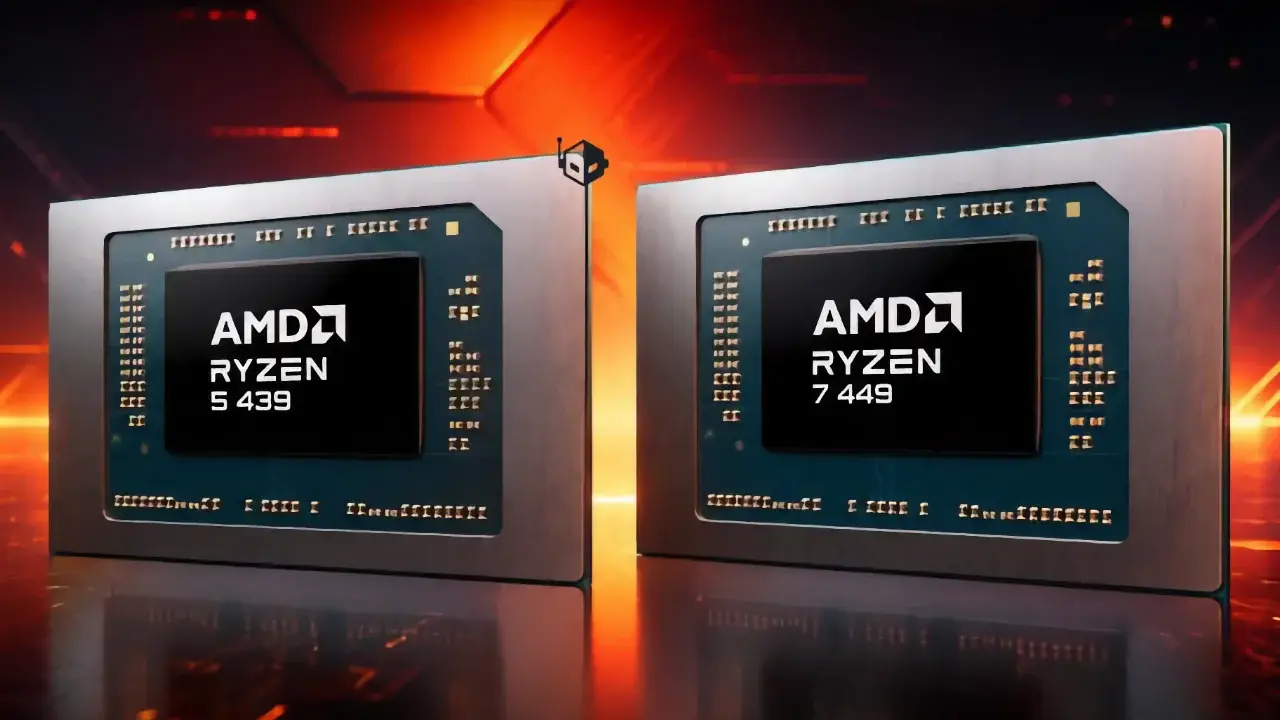
AMD has officially expanded its processor portfolio by introducing the new Ryzen 7 449 and Ryzen 5 439 models, specifically designed for users who prioritize traditional computing performance over integrated artificial intelligence capabilities. By excluding a dedicated Neural Processing Unit (NPU) from these Gorgon series chips, AMD aims to provide a cost-effective alternative for mainstream laptop consumers who do not require high-end AI acceleration. This strategic launch arrives as the industry grapples with the high costs of AI-focused hardware, offering a practical solution for those seeking balanced performance without the premium price tag associated with current Copilot+ certified machines.
- AMD has released the Ryzen 7 449 and Ryzen 5 439 processors without integrated AI accelerators.
- The absence of an NPU allows these chips to support more affordable pricing for mainstream laptops.
- These new models rely on traditional computing architectures instead of the Ryzen AI branding.
Gorgon Series Processors Deliver Solid Computing Performance
The Ryzen 7 449 stands as the flagship of this new lineup, featuring an 8-core architecture composed of 4 Zen 5 and 4 Zen 5c cores. It offers a boost clock speed reaching up to 5.0 GHz, supported by 16 MB of L3 cache. For visual processing, the chip utilizes the Radeon 860M integrated graphics unit, which operates at a frequency of 2800 MHz. 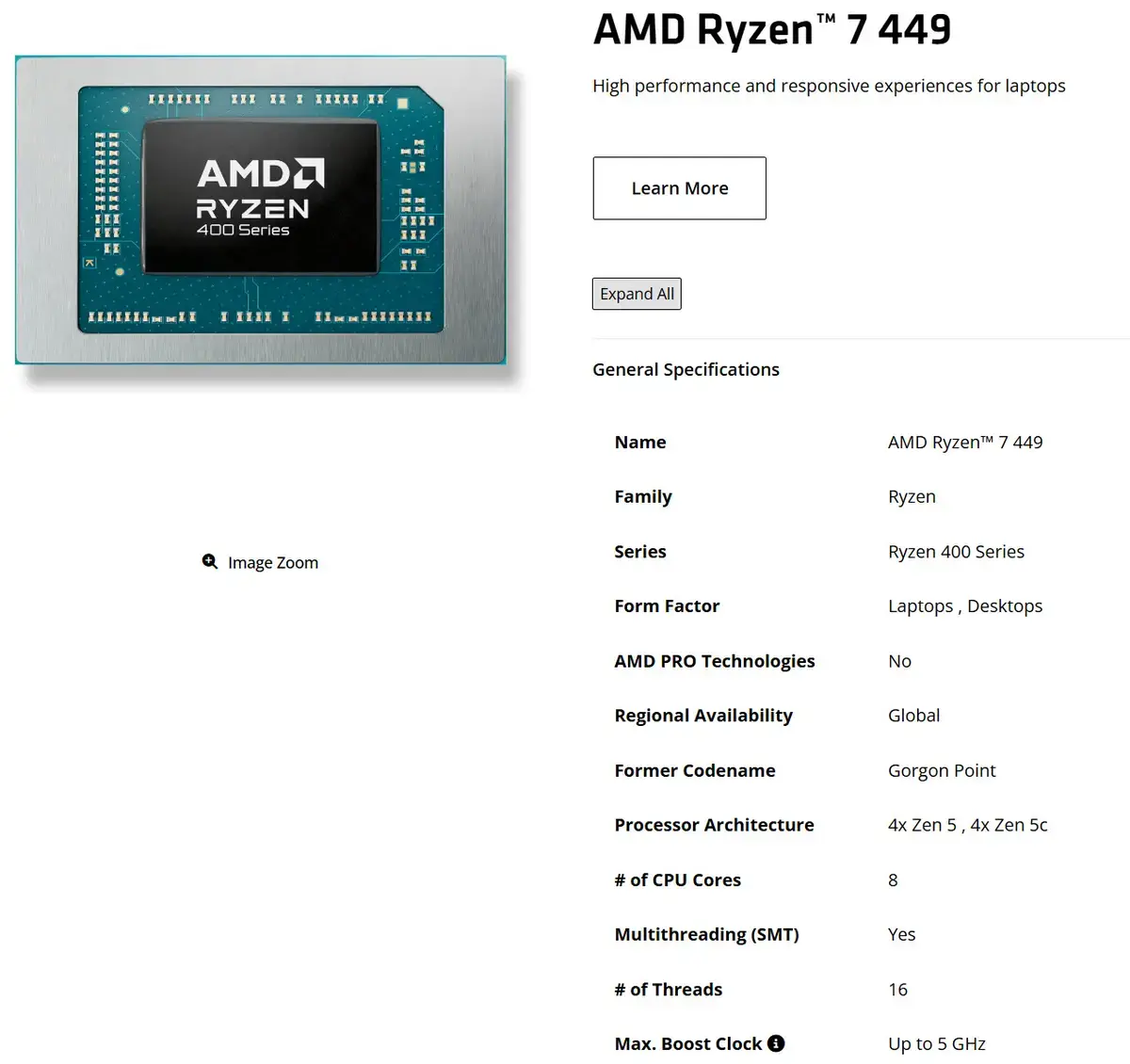 This combination ensures that the processor remains efficient for both intensive daily tasks and moderate graphical workloads.
AMD reduces overall manufacturing costs by utilizing a less complex silicon design that excludes the NPU.
Budget-Friendly Ryzen 5 439 Targets Mid-Range Laptops
Positioned as an economical choice for value-conscious buyers, the Ryzen 5 439 integrates a 6-core design, utilizing a split of 3 Zen 5 and 3 Zen 5c cores. The processor supports a maximum boost frequency of 4.6 GHz and includes 8 MB of L3 cache. Equipped with the Radeon 840M graphics, this model serves as a balanced solution for entry-to-mid-level laptop platforms. 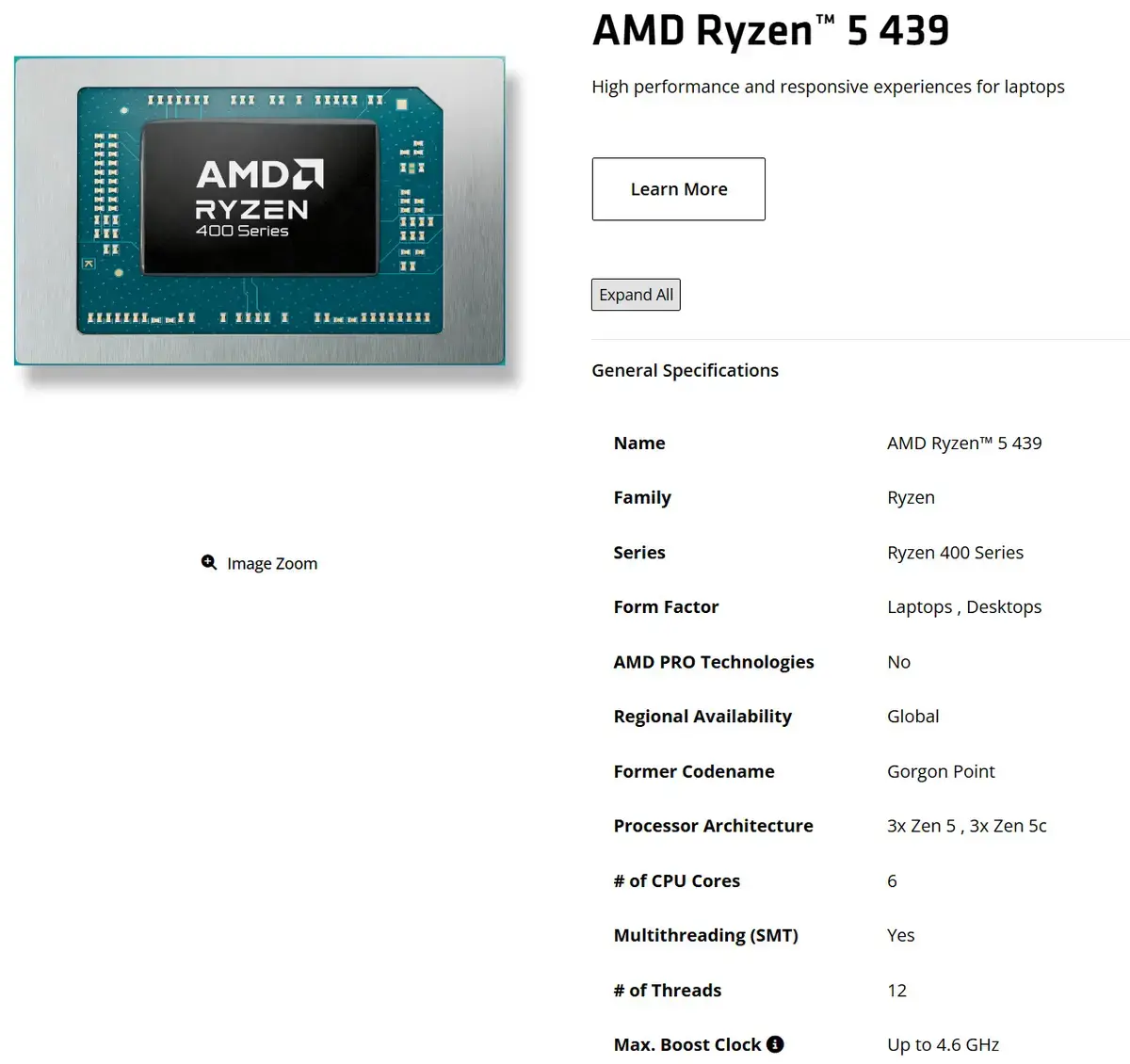 Testing indicates that these specifications provide sufficient power for standard office productivity applications and general multimedia consumption needs.
Market Positioning Reflects Evolving Consumer Demand
In a tech landscape currently dominated by aggressive AI marketing, AMD’s decision to release non-NPU chips represents a significant shift in market strategy. While these processors do not feature dedicated AI hardware, they still maintain respectable performance metrics, boasting between 8 and 16 TOPS of raw processing capability. Industry analysts anticipate that while supply chain variables may cause minor price fluctuations, laptops featuring these processors will remain significantly more competitive than the premium Ryzen AI 400 series counterparts.
Consumers are increasingly gravitating toward budget-conscious laptops that bypass unnecessary artificial intelligence hardware requirements.
Do you believe that having a dedicated NPU in your laptop is truly necessary for your daily workflow, or do you prefer a more affordable, non-AI focused processor? We invite you to share your thoughts and preferences in the comments section below.
Your comment has been submitted,
it will be published after approval.