
Iran Claims Electronic Warfare Downed Israeli Hermes 900 Drone

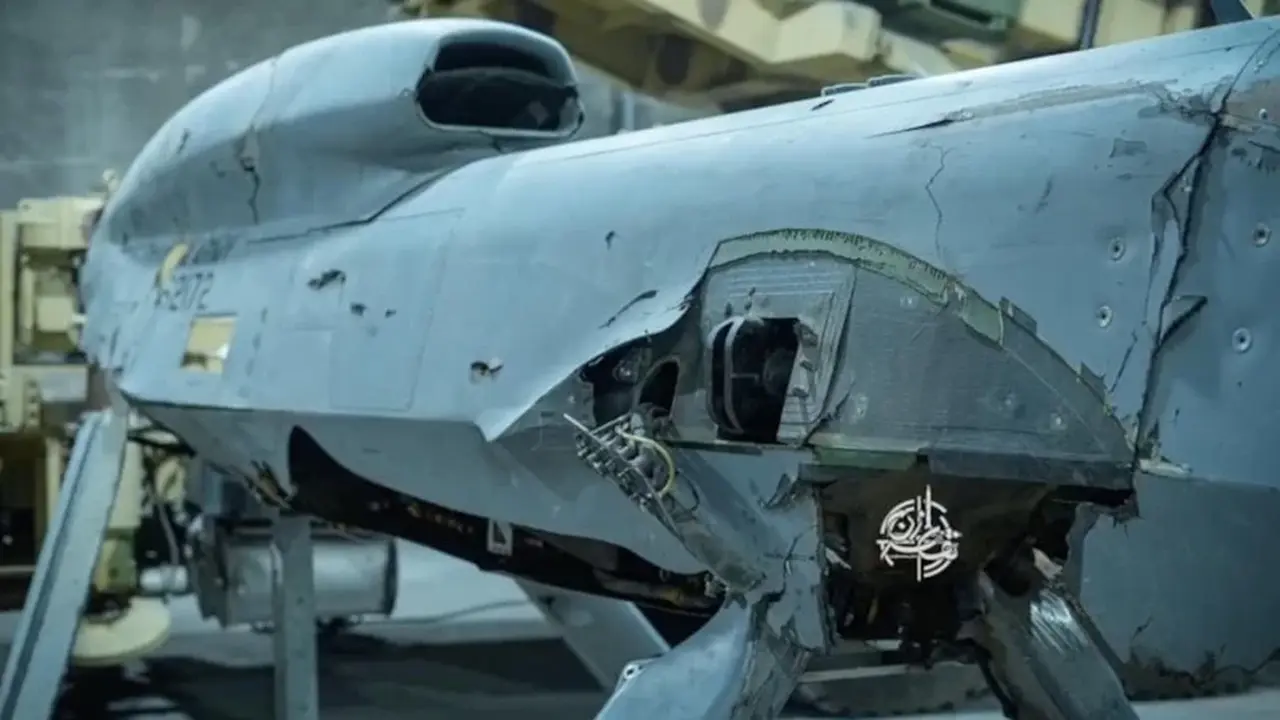
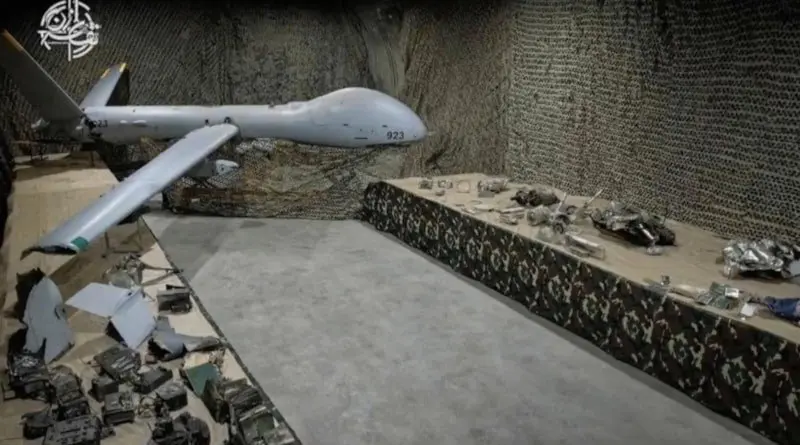
Iranian state media outlets have officially announced that their advanced air defense systems successfully downed an Israeli-manufactured Elbit Hermes 900 unmanned aerial vehicle (UAV) that had entered the country’s airspace. According to reports released through the Tasnim News Agency, the operation did not utilize kinetic force such as missiles or anti-aircraft artillery. Instead, Iranian authorities claim the platform was neutralized through sophisticated electronic warfare methods, allowing them to capture the aerial vehicle largely intact. This development highlights a significant escalation in regional tensions regarding drone surveillance and electronic combat capabilities between the two nations.
- Iranian forces claim they used electronic warfare to capture an Israeli Hermes 900 drone without damaging its structure.
- The military intends to perform reverse engineering on the captured platform to enhance its domestic air defense technologies.
- Technical analysis of the drone will focus on avionics, encrypted communication protocols, and sensor fusion algorithms.
Electronic Warfare Methods Disable Enemy Platforms
The successful neutralization of an unmanned aerial vehicle using non-kinetic means relies on disrupting the critical links between the drone and its external environment. This typically involves targeting the Global Navigation Satellite System (GNSS) or the command and control data link. By employing jamming techniques, operators can flood a drone’s GPS frequency to obscure its position. A more advanced approach, known as spoofing, involves transmitting deceptive signals that trick the drone into registering false coordinates.
Electronic interference allows military forces to seize highly sensitive technology while keeping the hardware operational for intelligence analysis.
Alternatively, disrupting the data link between the ground control station and the drone often forces the vehicle into an autonomous emergency mode, leading to a controlled descent or an unplanned landing. Unlike traditional missile strikes that shatter an aircraft, these methods preserve the internal systems, providing invaluable data for foreign intelligence services.

Hermes 900 Platform Offers Advanced Intelligence Capabilities
The Elbit Hermes 900 serves as a premier MALE (medium-altitude long-endurance) platform, recognized for its extensive operational range and 36-hour flight endurance. With a wingspan of approximately 15 meters, it carries a payload of roughly 350 kilograms. Its modular design supports a variety of sensors, including high-resolution electro-optical and infrared cameras, synthetic aperture radar (SAR), and comprehensive signals intelligence packages.
Reverse Engineering Reveals Strategic Technical Secrets
For defense analysts, the capture of such a sophisticated platform is not merely about the airframe. The primary value lies in the software architecture and the avionics suite. By decoding encrypted data links and autonomous flight algorithms, experts can develop effective countermeasures. This strategy is not new for Tehran, which previously claimed to have reverse-engineered American RQ-170 Sentinel drone technology following a similar incident in 2011.
The ability to reverse-engineer advanced avionics significantly alters the regional balance of technological intelligence.
Verification Remains a Critical Point of Contention
While Iranian officials have presented footage and documentation, these claims have yet to be independently verified by international observers. Furthermore, Israeli authorities have maintained silence on the incident, offering no confirmation regarding the loss of the platform. As both nations continue to navigate this digital standoff, the implications for future drone operations in the Middle East remain a subject of intense global debate.
Given the rising role of electronic warfare in modern military conflicts, how do you think this capture will impact future drone design and defensive strategies? Share your perspectives in the comments section below.
Your comment has been submitted,
it will be published after approval.