
Apple Navigates Memory Chip Crisis via Chinese Supplier Talks

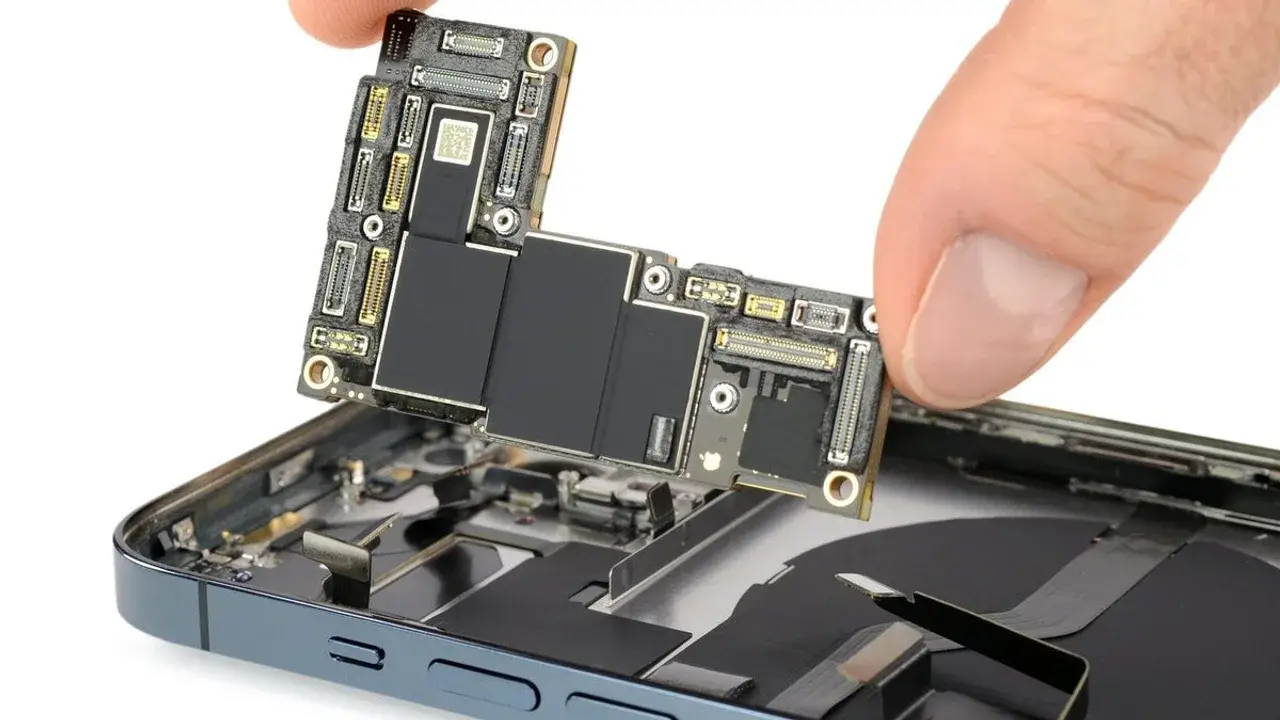
Apple is currently engaged in high-level discussions with the Chinese manufacturer ChangXin Memory Technologies (CXMT) to secure a consistent supply of DRAM chips for its iPhone and MacBook product lines sold within the Chinese market. This strategic shift comes as the global technology sector grapples with an acute memory chip shortage, exacerbated by the skyrocketing demand for artificial intelligence infrastructure. By exploring a partnership with CXMT, the Cupertino-based tech giant hopes to stabilize its supply chain and mitigate the rising costs of components. However, this move faces significant regulatory hurdles as the company navigates complex international trade policies and geopolitical friction.
- Apple is evaluating the use of DRAM chips from Chinese manufacturer CXMT to alleviate ongoing memory supply shortages.
- The proposed partnership requires approval from the United States government due to national security concerns regarding Chinese technology firms.
- US lawmakers have expressed strong opposition to the deal, citing potential risks to domestic chip producers and national security.
- Global demand for high-bandwidth memory driven by artificial intelligence has severely constrained component availability for consumer electronics.
Regulatory Scrutiny Intensifies Over Security Concerns
Despite its position as a leading chip manufacturer in China, CXMT remains a focal point of intense scrutiny from Washington. The Biden administration has previously labeled the firm as a potential national security risk, leading to debates regarding its inclusion on strict trade blacklists. Apple’s efforts to lobby for this partnership have triggered a wave of criticism from the US Congress, where lawmakers fear that such cooperation could undermine local competitors like Micron and jeopardize sensitive technological secrets.
A bipartisan group of senators led by Chuck Schumer has formally urged Apple to abandon any plans involving the Chinese supplier to protect US interests.
Global Supply Chains Face Mounting Pressure
The tech industry is witnessing a profound shift as major players, including Acer, HP, and Asus, scramble to secure memory components. As chipmakers prioritize the lucrative artificial intelligence sector, the supply available for smartphones and laptops has dwindled, leading to widespread production delays and increased costs for manufacturers. This supply-side crunch is forcing companies to re-evaluate their procurement strategies to maintain profitability in a volatile market.
Apple CEO Tim Cook recently highlighted the impact of these surging memory costs on the company’s financial performance. During a fiscal update, Cook explained that the exponential rise in component pricing has necessitated price adjustments for specific consumer products. The company continues to lobby the US government for specialized chip allocations that would support non-AI hardware production, reflecting a desperate need to balance innovation with market realities.
Future market stability hinges on the company’s ability to reconcile its procurement needs with stringent national security mandates.

The situation underscores the fragile nature of global technology supply chains in an era of heightened geopolitical competition. As Apple attempts to maneuver through these difficult regulatory waters, the outcome of these negotiations may set a precedent for how American corporations engage with Chinese entities in the future. Whether the company can secure the necessary approval remains an open question that could significantly alter the competitive landscape for consumer electronics.
How do you believe this move by Apple will influence the future of global supply chains and the balance of power in the tech industry? Share your thoughts in the comments section below.
Your comment has been submitted,
it will be published after approval.