
Turkish Defense Industry Advances with Over 1,400 Concurrent Projects

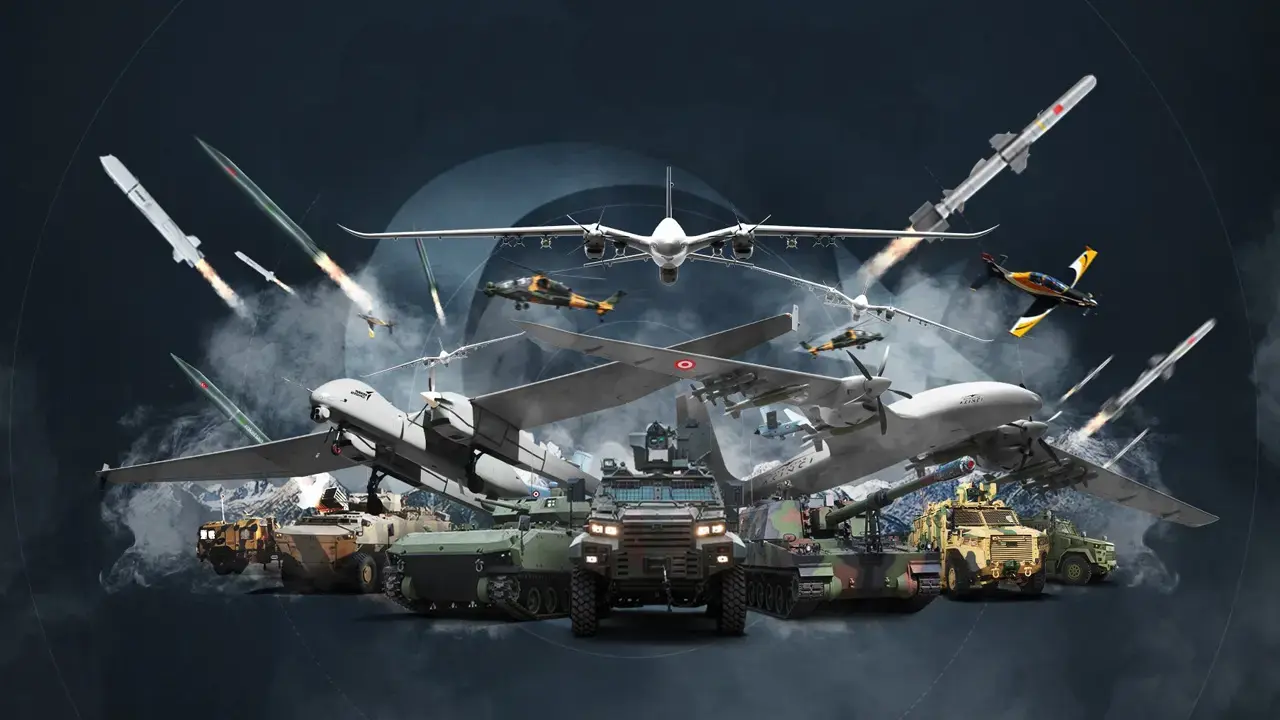
The Turkish defense and aerospace sector has entered a transformative era, currently managing over 1,400 simultaneous projects supported by a robust network of more than 4,000 companies. Under the guidance of the Presidency of Defense Industries, the nation has achieved a domestic production rate exceeding 80 percent, a significant leap from the less than 20 percent recorded at the turn of the century. With an annual turnover surpassing 20 billion dollars and a workforce of over 100,000, Turkey is positioning itself as a global leader in military technology, aiming to deliver 1,500 aerial platforms over the next decade.
- Turkey’s defense industry now manages more than 1,400 concurrent projects across 4,000 specialized firms.
- The national defense export volume surpassed the 10 billion dollar threshold for the first time in 2025.
- Turkish Aerospace Industries (TUSAŞ) intends to deliver 1,500 aerial platforms to domestic and international clients within the next ten years.
- The domestic production rate in the defense sector has climbed to over 80 percent through a focus on local sub-system manufacturing.
Turkey has successfully transitioned from a component importer to a prominent exporter of complete, high-tech aerial platforms.
TUSAŞ Plans the Delivery of 1,500 Aerial Platforms
TUSAŞ General Manager Mehmet Demiroğlu describes the current stage as a “harvest period” for the sector. The ambitious ten-year plan focuses on scaling up series production for critical assets, including the KAAN national combat aircraft, HÜRJET light attack jet, GÖKBEY general-purpose helicopter, and various unmanned systems like ANKA-3 and AKSUNGUR. 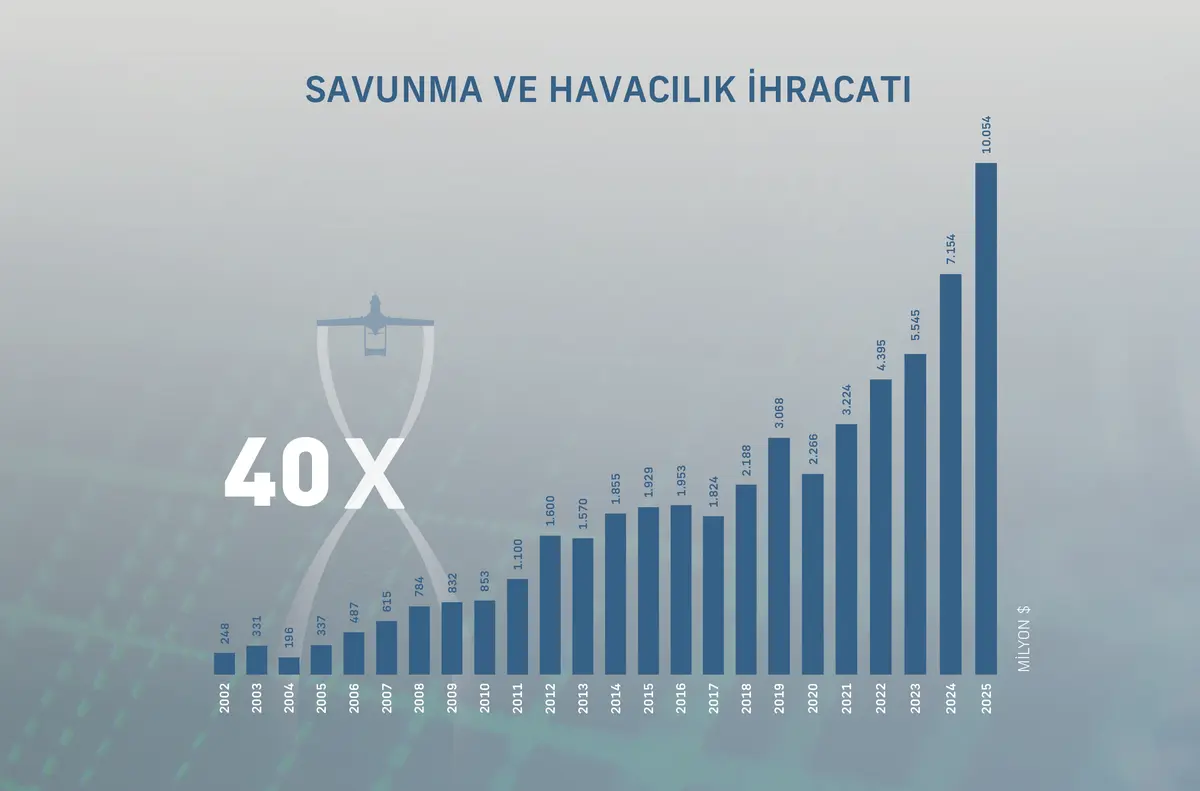 This shift requires moving beyond the prototype phase into repeatable, high-volume manufacturing processes that meet rigorous international aviation standards.
Export Revenues Surpass the Ten Billion Dollar Milestone
The growth in manufacturing capacity is mirrored in the country’s export performance. In 2025, Turkish defense and aerospace exports reached 10.054 billion dollars, marking a 48.8 percent increase. 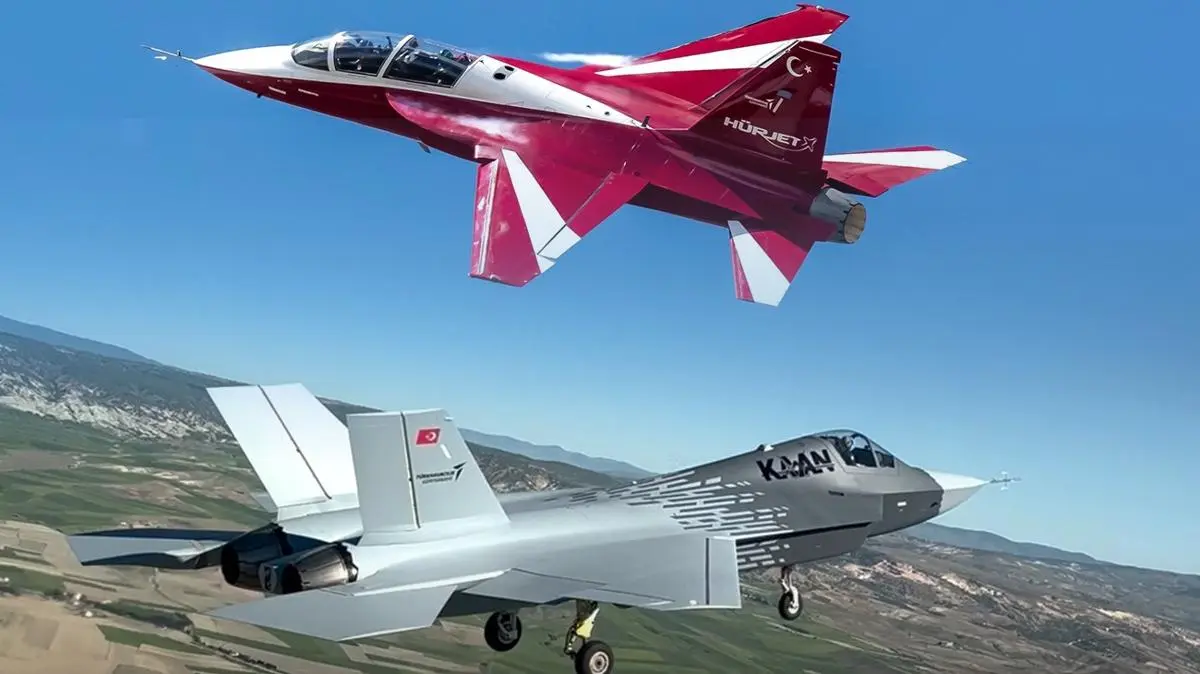 Notably, approximately 56 percent of these exports were directed toward NATO members, the European Union, and the United States, demonstrating the global competitiveness of Turkish technology.
Platform Exports Confirm the Industry’s Global Success
International contracts provide concrete evidence of this success. Spain has committed to purchasing 30 HÜRJET aircraft for approximately 2.6 billion dollars, while Indonesia has decided to procure 48 KAAN fighters. 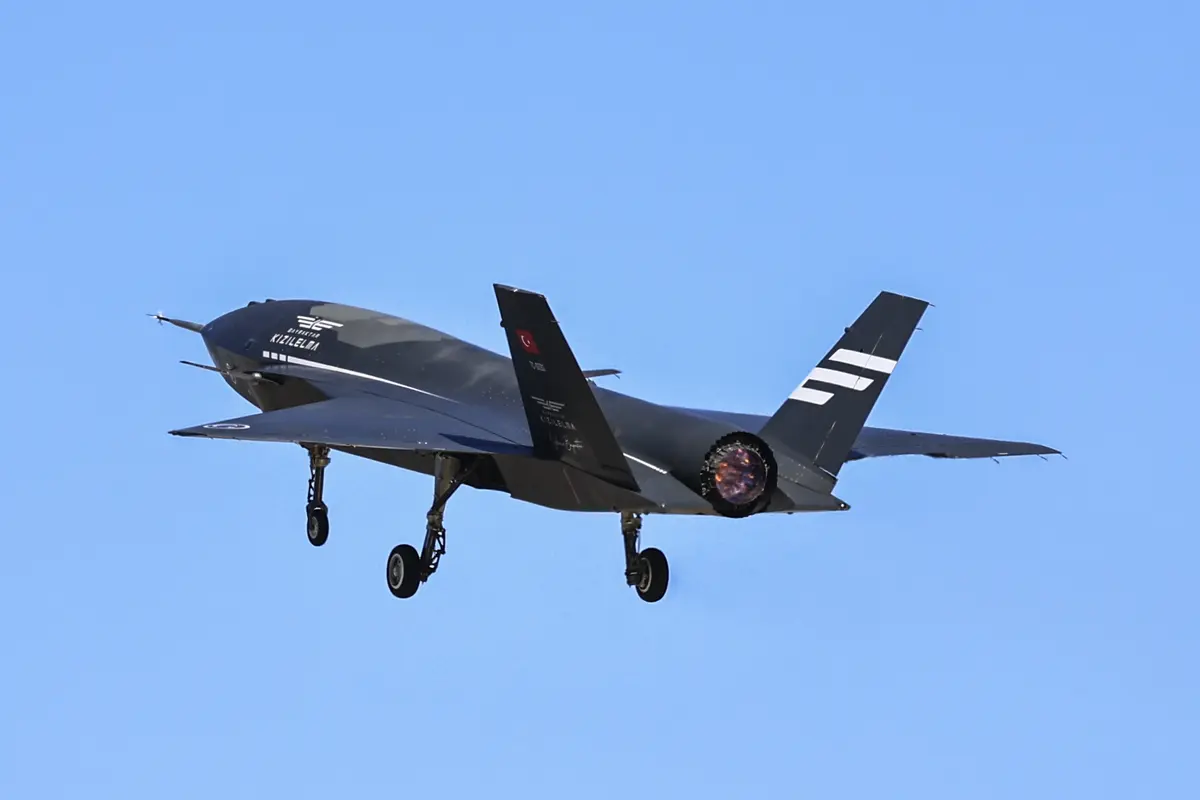 These agreements signify that Turkey is no longer merely supplying parts but is delivering sophisticated, fully integrated defense systems to key global partners.
Strategic Projects Define the Future Defense Landscape
The industry is prioritizing several key domains to maintain this momentum. 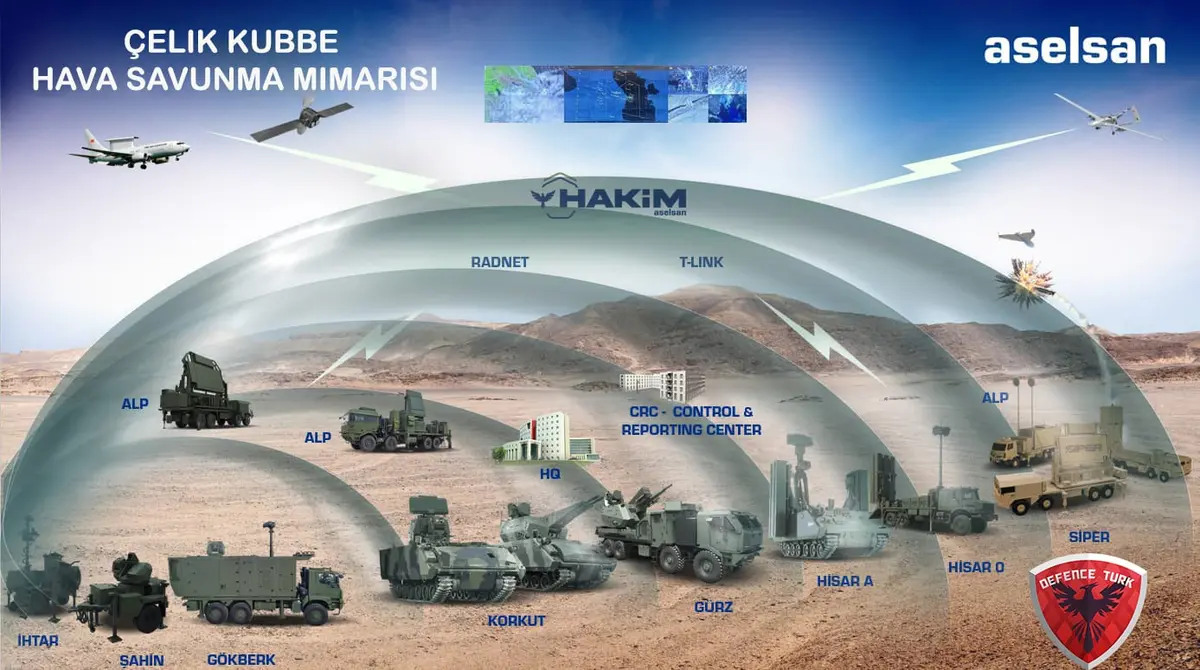 The “Steel Dome” multi-layered air defense architecture, featuring systems like SİPER, is currently being integrated to provide comprehensive national security.
 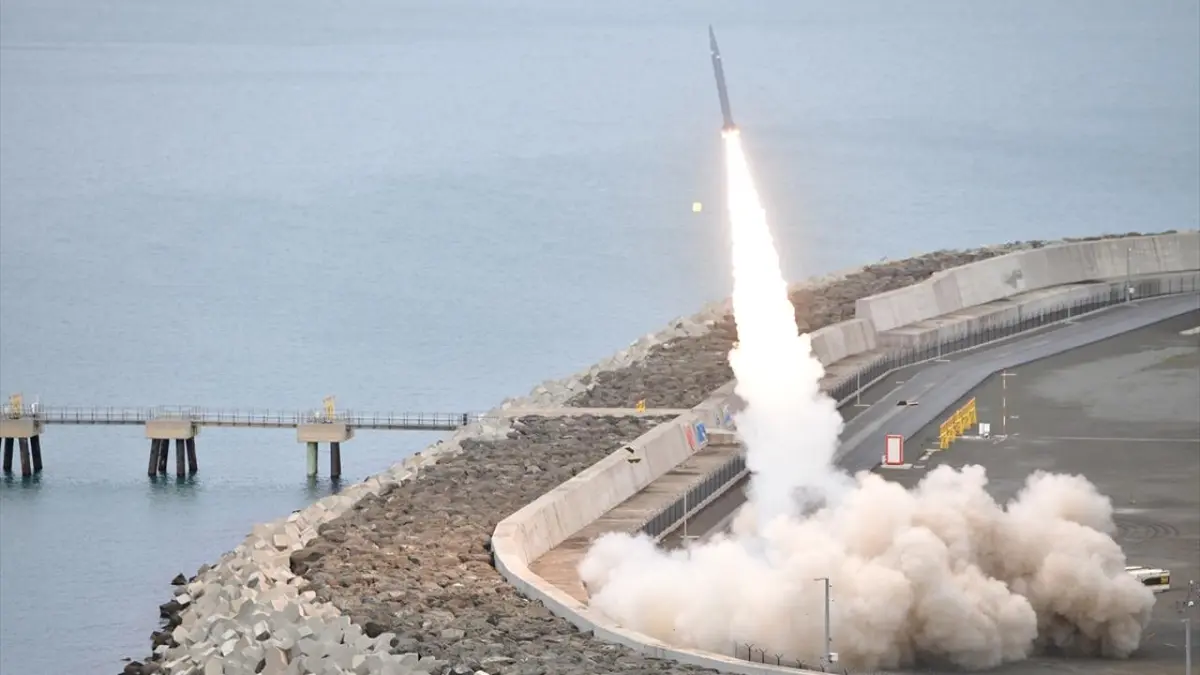 Furthermore, advancements in missile technology, such as the TAYFUN ballistic missile and the ATMACA anti-ship missile, continue to bolster the nation’s deterrent capabilities.
 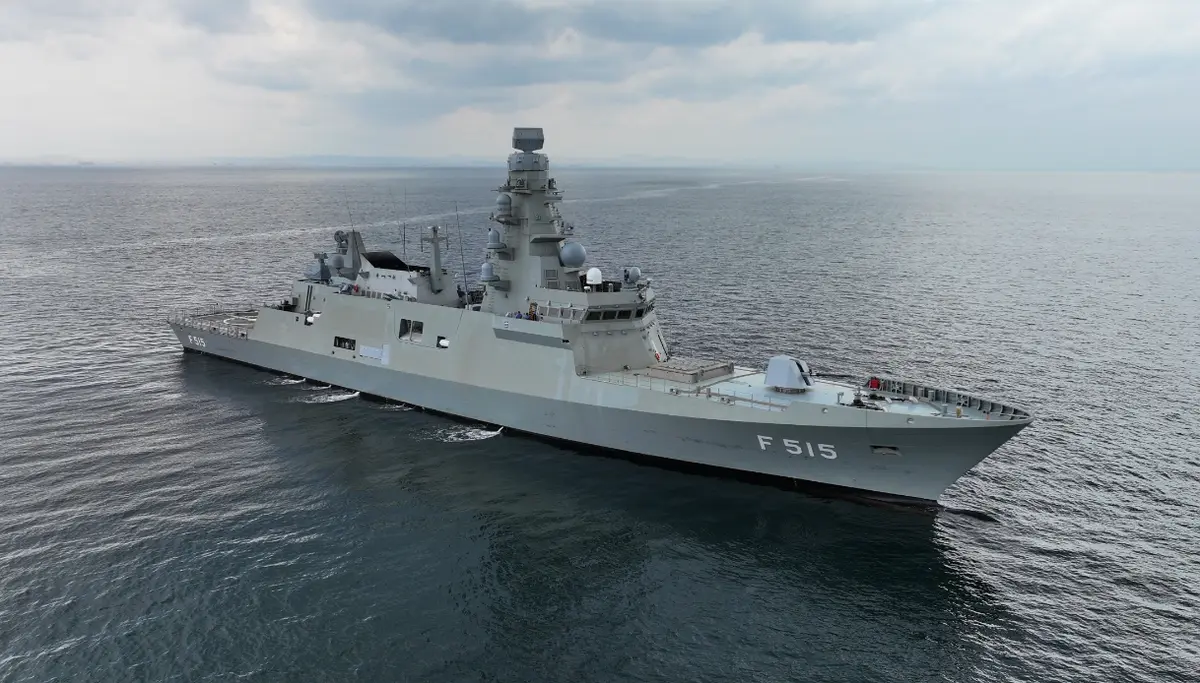 Engine development programs, including the TF35000 and TS1400, are also underway to reduce reliance on external suppliers for propulsion systems.
Speed Becomes the New Metric for Global Competition
Defense leaders emphasize that by 2035, the most capable nations will not be those with the highest budgets, but those that can produce rapidly and adapt to field requirements most efficiently. To address the remaining 20 percent of foreign dependency, the government is focusing on microelectronics, advanced materials, and military-grade chips. The merger of key engine development entities into TEI TEKNOLOJİ reflects this commitment to centralizing engineering expertise.
As Turkey continues to expand its footprint in the global defense market through these massive projects, what do you think is the most critical area for further local development: advanced jet engines or artificial intelligence integration? Share your thoughts in the comments section below.
Your comment has been submitted,
it will be published after approval.