
Volt Teknoloji Produces Domestic Electrical Power Systems for KAAN

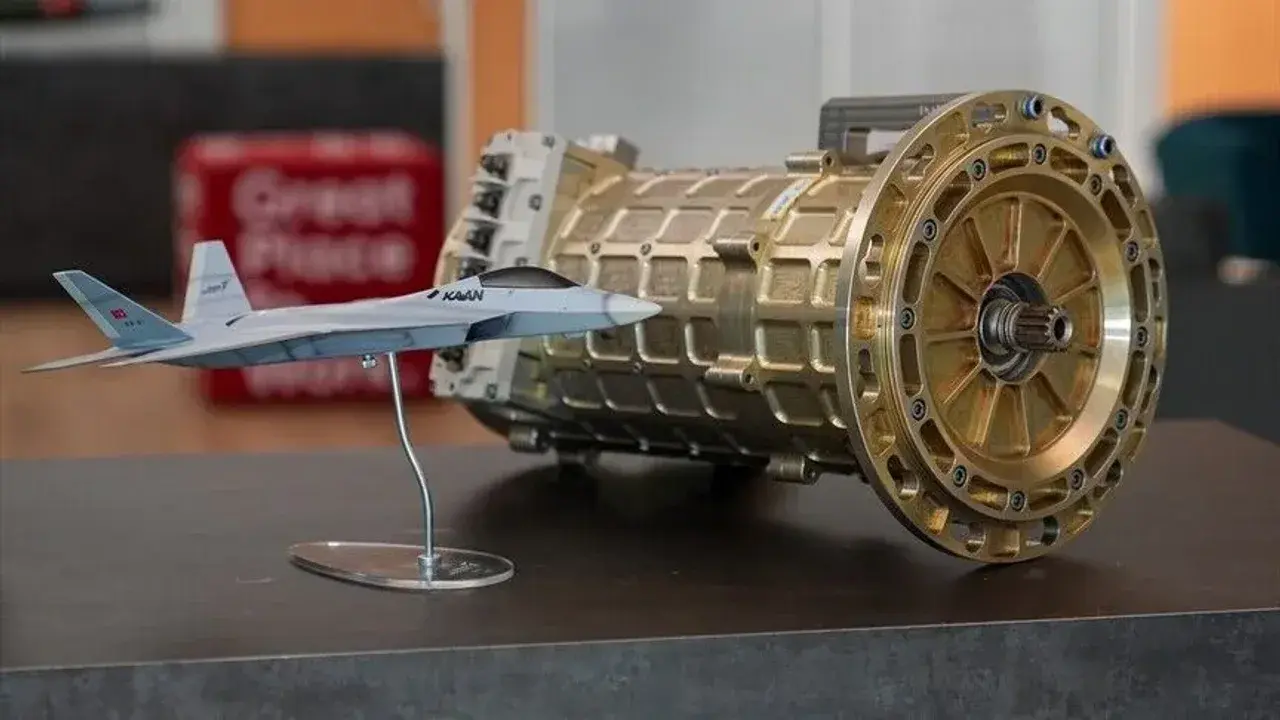
Izmir-based Volt Teknoloji has successfully achieved a significant milestone in Turkish aviation by developing indigenous electrical power generation systems for the national combat aircraft KAAN. Since 2020, the company has utilized domestic engineering expertise to design alternators, generators, and control units essential for flight safety and mission performance. Following rigorous testing, verification, and integration phases, these systems were successfully utilized during the initial taxi tests and maiden flight of the KAAN aircraft. This achievement positions Turkey among a very select group of nations capable of producing such critical aerospace components entirely through local research and development initiatives.
- Volt Teknoloji developed indigenous electrical power systems specifically for the national combat aircraft KAAN.
- The company successfully adapted its proprietary power generation technology for the HÜRKUŞ trainer aircraft.
- Engineering teams are currently advancing specialized power system designs for the HÜRJET and GÖKBEY platforms.
- These systems provide critical, uninterrupted electrical energy necessary for modern military and civilian aviation safety.
Turkey has successfully localized a technology that only five companies worldwide can currently produce.
Engineering Expertise Enables Domestic Production
The development of core power systems represents one of the most complex challenges in aerospace manufacturing. These components must ensure a constant, reliable flow of electricity under extreme environmental conditions. Volt Teknoloji focused on creating robust control algorithms and advanced electromagnetic design solutions from scratch. By ignoring off-the-shelf foreign solutions, the firm built a unique intellectual property foundation that allows for greater flexibility and security in national defense projects. 
General Manager Ulaş Tutan noted that the project originated from four years of intensive R&D. The result is a highly sophisticated electrical architecture that powers everything from flight controls to advanced avionics. The success of the KAAN integration proves that domestic firms can meet the stringent requirements of fifth-generation fighter jets. 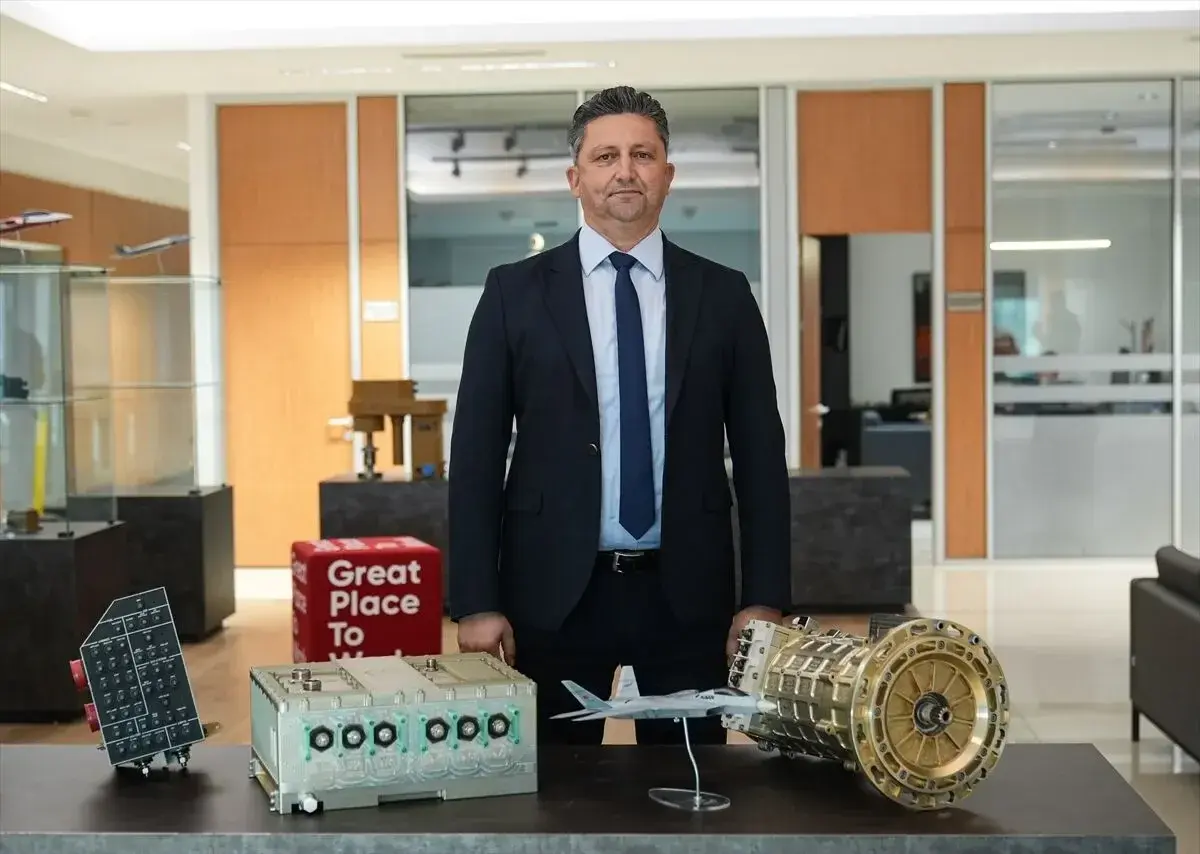
Systems Are Being Adapted for Other Platforms
The success achieved with the KAAN project has provided a roadmap for other Turkish aerospace endeavors. Volt Teknoloji has already begun transferring this technical expertise to the HÜRKUŞ platform, with mass production and delivery phases now underway. This transition marks a broader strategy to standardize high-performance electrical systems across the entire Turkish Air Force inventory. 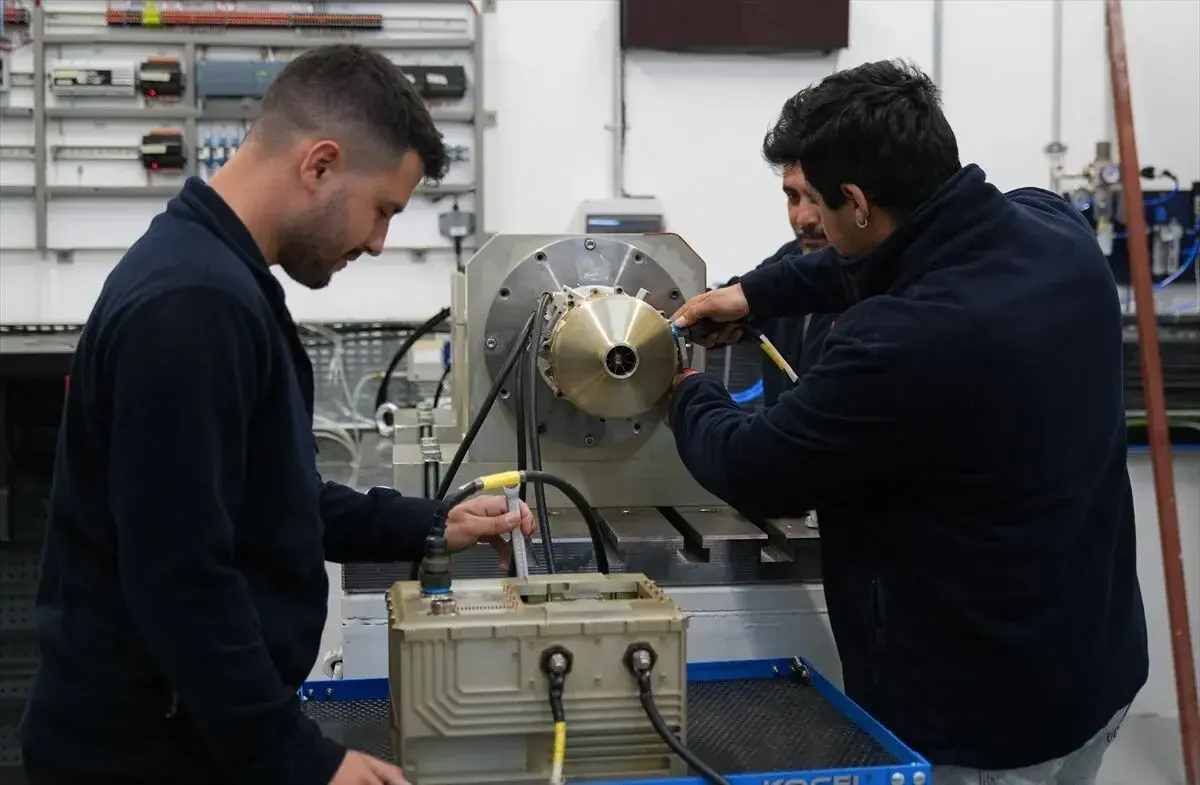
The company aims to establish a wide-reaching ecosystem for electrical power management across all national aircraft.
Development Continues for HÜRJET and GÖKBEY
While the core technology remains consistent, the engineering team is currently tailoring specific power outputs for the HÜRJET light attack aircraft and the GÖKBEY utility helicopter. Because these platforms feature distinct power consumption profiles and flight envelopes, direct replication of the KAAN system is not feasible. 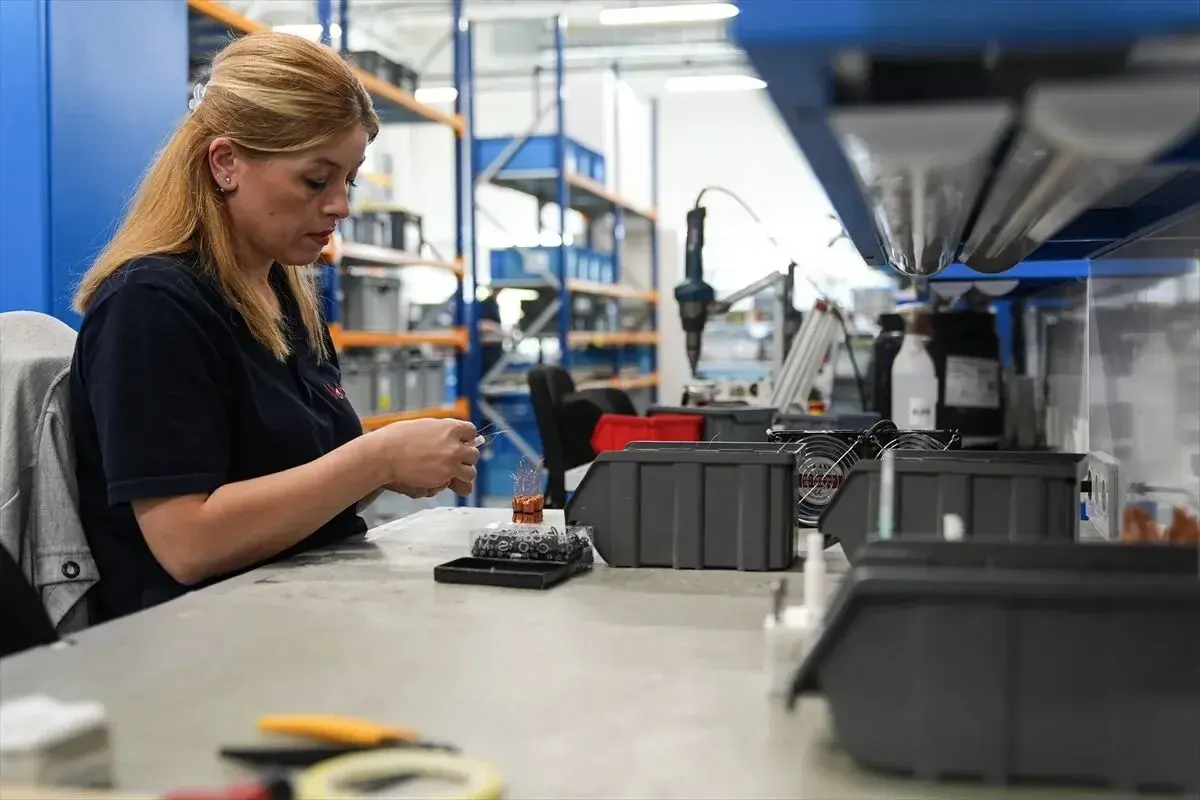
Instead, researchers are performing bespoke development work to ensure that the unique requirements of these platforms are met with the same level of reliability. As the Turkish defense industry continues to expand its domestic capabilities, the shift toward indigenous power systems serves as a vital component in reducing external dependency. The company is also exploring potential applications within the civilian aviation sector to further diversify its technological footprint.
We invite you to share your thoughts on this significant advancement in Turkey’s defense technology sector and how it might impact the future of our national aviation industry in the comments section below.
Your comment has been submitted,
it will be published after approval.