
DARPA Launches Program for Next-Generation Hypersonic Cruise Missile

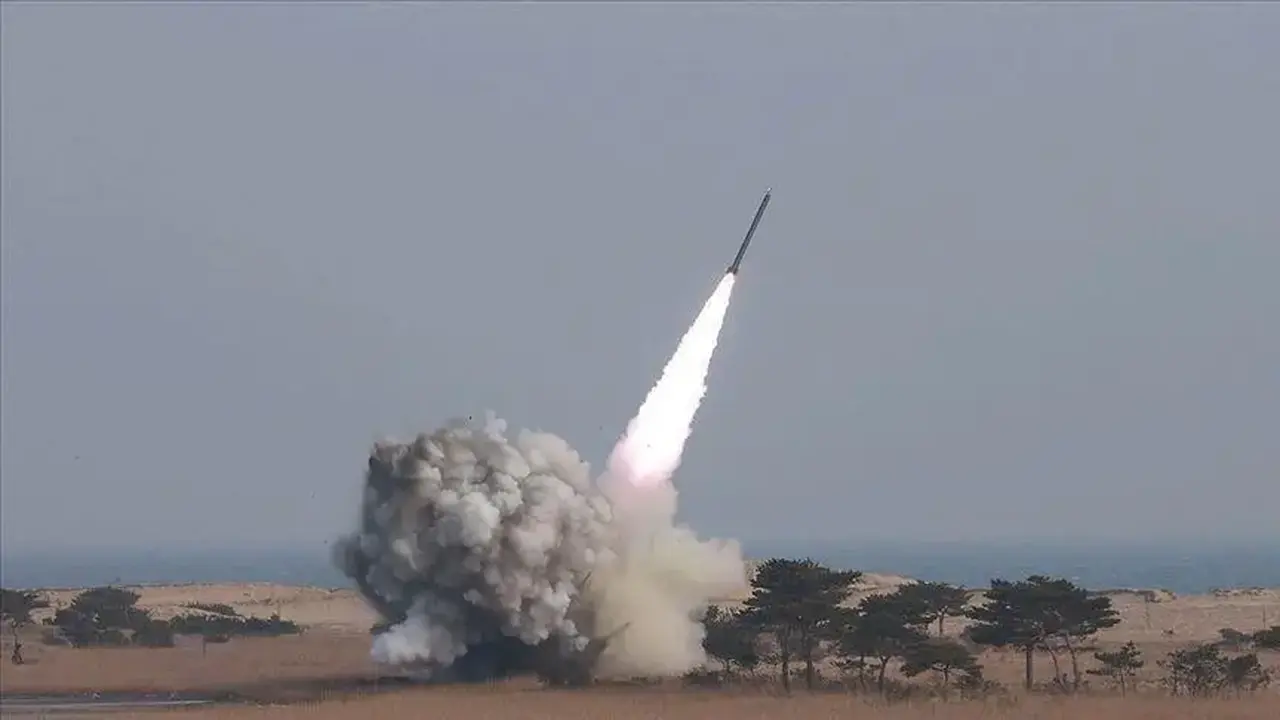
The United States Department of Defense is advancing its tactical capabilities by launching a new initiative focused on developing a Next-Generation Hypersonic Cruise Missile. Through a formal request for information issued by DARPA’s Tactical Technology Office on August 7, 2026, the agency is soliciting innovative proposals from industrial partners, academic institutions, and research centers. Interested parties have until October 6, 2026, to submit their concepts, with an industry-focused event scheduled for September in Arlington, Virginia. This strategic move responds to the growing sophistication of integrated air defense systems deployed by global competitors, which currently challenge the operational effectiveness of existing long-range American weaponry.
- DARPA aims to develop a next-generation hypersonic cruise missile that operates at speeds exceeding Mach 5 using air-breathing propulsion.
- The program prioritizes high-volume, cost-effective manufacturing processes to ensure long-term sustainability in potential conflicts.
- Future designs must be adaptable for deployment across various platforms, including fighter aircraft, bombers, and naval vessels.
DARPA Seeks a Significant Technological Leap
The agency explicitly states that it is not looking for incremental improvements to existing platforms. Instead, DARPA requires a fundamental shift in architecture, emphasizing advancements in range, speed, survivability, and manufacturing feasibility. Unlike glide vehicles that rely on initial rocket boosts before unpowered flight, this new class of cruise missiles will utilize scramjet technology to maintain continuous thrust throughout the mission duration.
The ability to maintain consistent power allows for greater maneuverability and low-altitude flight, which effectively hides the missile from radar detection.
Achieving this level of performance presents immense engineering hurdles. Scramjet engines require the ignition of fuel within high-speed, supersonic airflow, a process that generates extreme heat. Consequently, developing specialized materials capable of withstanding temperatures exceeding 1,000 degrees Celsius remains a primary focus of the research.
Engineers Design for Multi-Platform Versatility
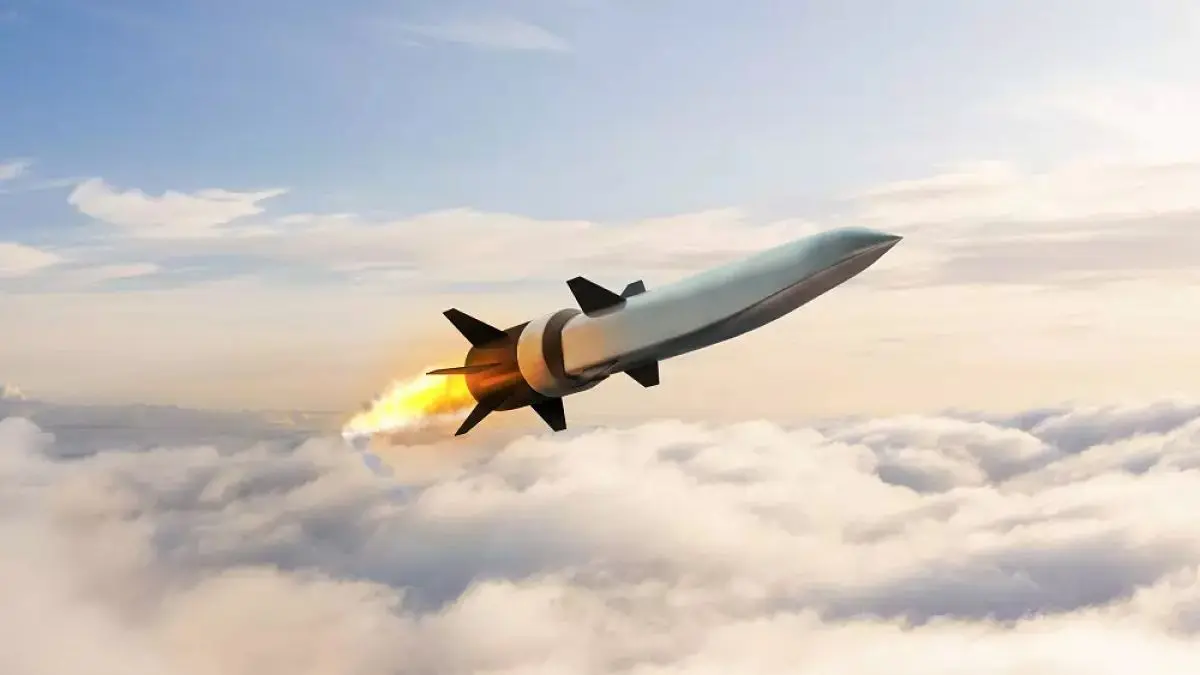
The program emphasizes modularity, ensuring that the final product can be adapted for diverse military applications. Design requirements vary from compact versions tailored for the internal weapons bays of advanced fighter jets to larger configurations compatible with heavy bombers and ground-based launch systems. This cross-platform strategy aims to maximize the utility of a single missile architecture across all military branches.
Manufacturing efficiency is a core pillar of the program. DARPA is mandating that industrial partners integrate low-cost, high-volume production methods into the initial design phase. By shifting the focus to mass production early, the agency hopes to avoid the common pitfall of having successful prototypes that are too expensive or complex to field in the large quantities required for modern warfare.
Historical Lessons Shape Future Developments
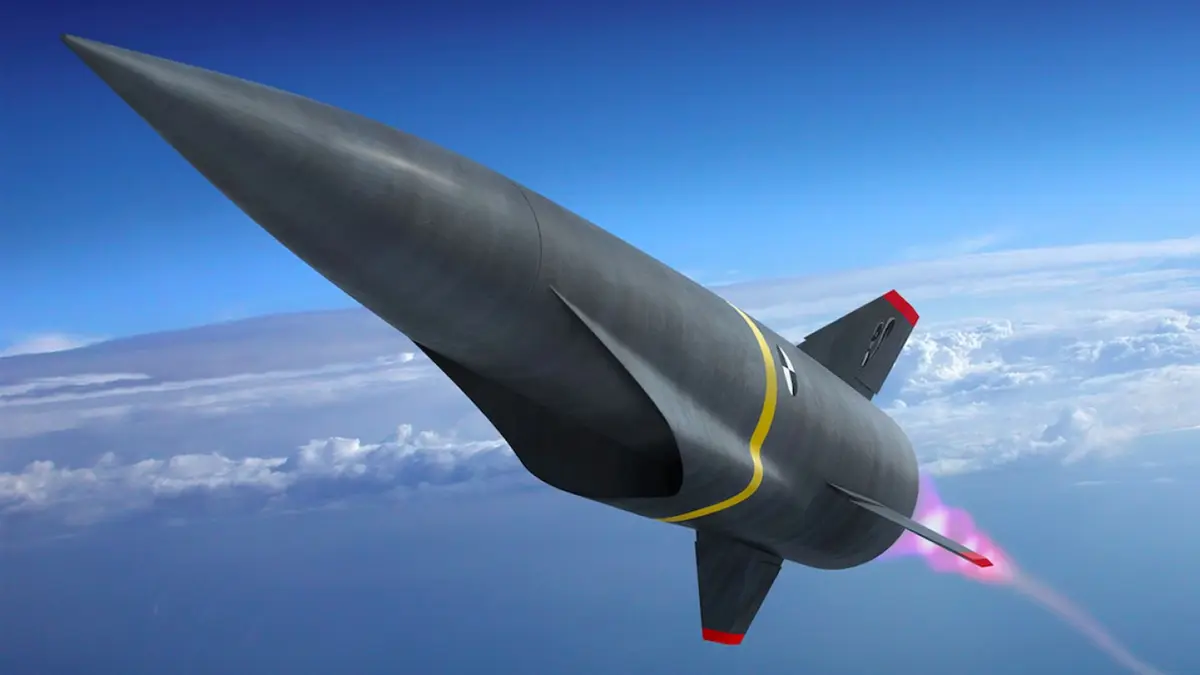
The current initiative builds upon the technical foundation established by the Hypersonic Air-breathing Weapon Concept (HAWC) program. Successful test flights conducted by Lockheed Martin in early 2023 provided the necessary data to push the envelope further. However, the program also addresses recent setbacks, such as delays in the Air Force’s Hypersonic Attack Cruise Missile (HACM) project, which is now targeting operational capability by 2029.
The United States maintains a clear objective of bypassing current limitations to reach the next frontier of hypersonic dominance.
While Russia and China have already fielded their own hypersonic systems, the U.S. strategy focuses on superior architectural integration rather than mere replication. Although the transition from a request for information to a deployed weapon system takes years, these requirements offer a clear view of the Pentagon’s long-term priorities.
Given the rapid evolution of global defense technologies, what impact do you believe these next-generation hypersonic systems will have on international security dynamics? Share your thoughts in the comments below.
Your comment has been submitted,
it will be published after approval.