
Turksat 3A Retires as Preparations for Turksat 7A Begin

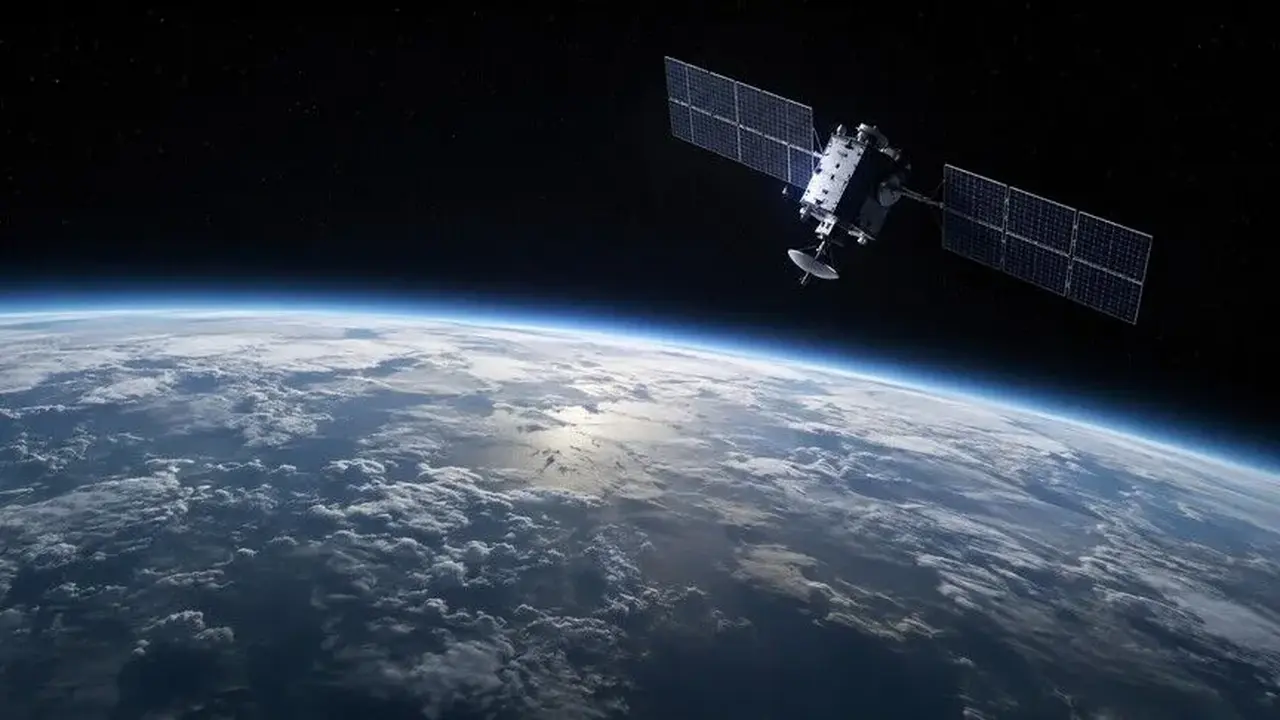
Turkey is set to conclude a significant chapter in its satellite communication history as the Turksat 3A satellite officially retires after seventeen years of service. Following an official announcement from Turksat, all television and radio broadcast operations currently handled by the satellite will be migrated to higher-capacity platforms during the night between August 15 and August 16. Launched in 2008, the satellite has successfully exceeded its original design and technological lifespan. This transition marks a strategic shift toward modernizing the national communication infrastructure, ensuring that Turkey maintains robust and efficient satellite connectivity for its growing broadcasting requirements.
- Turksat 3A will cease operations on August 16 after reaching the end of its seventeen-year technological lifespan.
- The migration process will be handled without requiring major antenna adjustments for most users due to shared orbital positions.
- Officials have finalized the protocol for the upcoming Turksat 7A satellite which is expected to enter service by 2029.
The retirement of Turksat 3A signals a transition toward a more advanced and resilient satellite network for the nation.
Viewers Must Update Their Channel Settings
Because the successor satellites occupy the same orbital slot as the retiring Turksat 3A, most users will not need to physically adjust their satellite dishes. However, individuals utilizing older generation satellite receivers may experience signal loss. To prevent this, users are advised to perform a full channel scan on their devices. Turksat officials have emphasized that the new satellites offer superior signal strength, which will effectively reduce service interruptions during adverse weather conditions while providing the necessary bandwidth for high-definition and 4K broadcasting standards.

Government Officials Advance the Turksat 7A Project
The retirement of the aging satellite has brought the next phase of Turkey’s aerospace program into focus. On June 19, 2025, the protocol for the development of Turksat 7A was officially signed. The project aims to have the new satellite operational by 2029. This development continues the industrial framework established during the creation of Turksat 6A, involving key national entities such as TUBITAK UZAY, ASELSAN, TUSAS, and CTech.
Turkey continues to expand its domestic satellite production capabilities through the ambitious Turksat 7A program.
Engineers Implement Flexible Resource Management Systems
Transportation and Infrastructure Minister Abdulkadir Uraloglu stated that Turksat 7A will feature significantly higher data capacity, a broader coverage area, and, crucially, flexible resource management capabilities. Unlike traditional communication satellites, where capacity and coverage are fixed before launch, this new generation of technology allows operators to redirect capacity in real-time based on fluctuating regional demand. This flexibility ensures that the satellite can adapt its performance throughout its fifteen-year mission life, optimizing efficiency as user habits evolve.
National Expertise Ensures Continued Satellite Development
The Turksat 7A project builds directly upon the success of Turksat 6A, which was recognized as Turkey’s first domestic and national communication satellite. With a local content ratio exceeding 80 percent, the successful deployment of Turksat 6A cemented Turkey’s position among the elite nations capable of designing and manufacturing their own space-faring communication assets. By entrusting the production of Turksat 7A to the same industrial consortium, the government aims to preserve and further develop the specialized engineering skills acquired during the development of previous national projects.
How do you think these advancements in satellite technology will change the way we consume digital media in the coming years? Share your thoughts and expectations regarding the new satellite infrastructure in the comments section below.
Your comment has been submitted,
it will be published after approval.