
Turkish Air Force F-16 Crashes in Yalova During Training

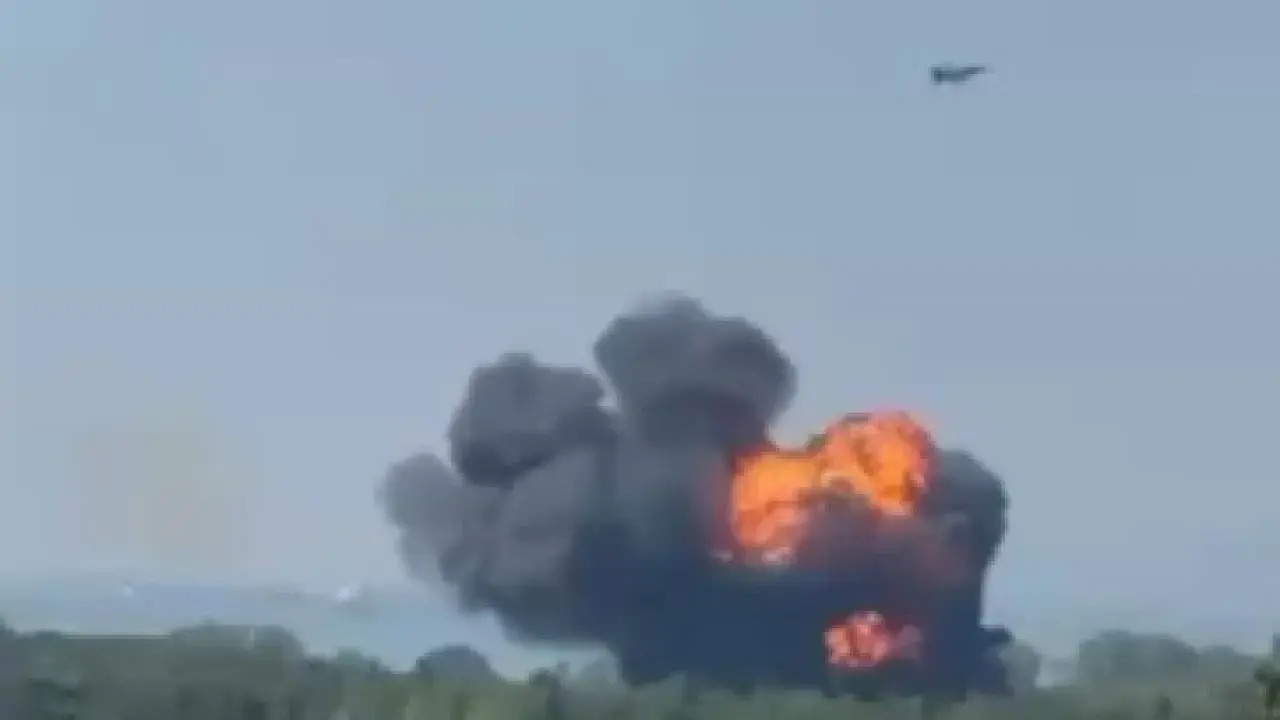
A Turkish Air Force F-16 fighter jet crashed on Wednesday, August 12, at approximately 15:15 local time while conducting a routine training flight in Yalova. The aircraft, which had departed from the 1st Main Jet Base Command in Eskisehir, experienced a technical malfunction, leading to the crash. Following the emergency, the Ministry of National Defense confirmed that the pilot successfully ejected from the cockpit before the impact. The pilot was promptly transported to Yalova Education and Research Hospital for precautionary medical evaluation, and officials have reported that he remains in good health.
- The Turkish Air Force F-16 jet crashed during a scheduled training mission in Yalova.
- The pilot successfully activated the ejection seat and survived the incident without injuries.
- Local authorities confirmed the aircraft fell in a non-residential area, preventing civilian casualties.
- An official investigation into the cause of the crash has been initiated by military experts.
The rapid deployment of search and rescue teams ensured the pilot’s safety immediately following the ejection.
Ministry of National Defense Confirms Pilot Survival
The Ministry of National Defense issued an official statement shortly after the crash occurred. According to the ministry, the pilot executed emergency procedures perfectly, allowing him to leave the aircraft safely. This successful ejection highlights the reliability of the safety systems integrated into the Turkish F-16 fleet. 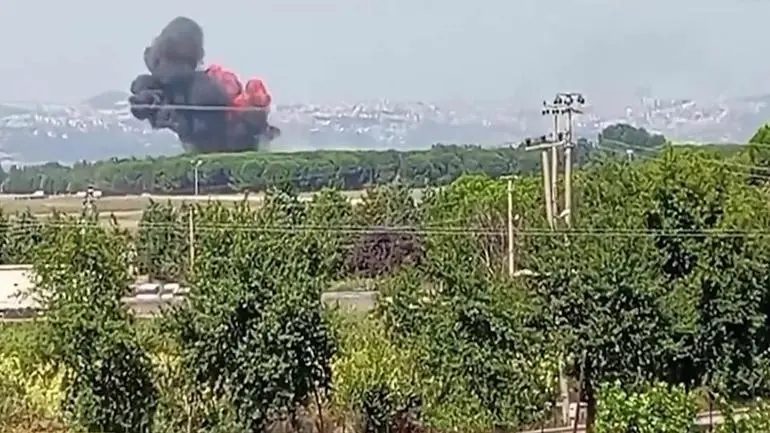 While the ministry has confirmed the pilot’s recovery, they emphasized that the specific technical or mechanical factors that led to the incident will be disclosed only after a comprehensive investigation is completed.
Local Authorities Secure the Crash Site
Yalova Governor Ahmet Hamdi Usta provided a briefing on the situation, confirming that the wreckage landed in an unpopulated zone away from residential areas. This detail provided significant relief to the local population, as there were no reports of damage to property or harm to civilians on the ground. 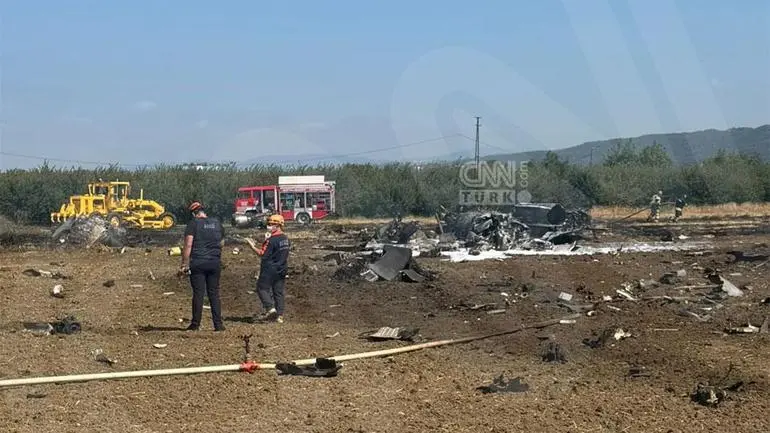 Security cordons were established immediately around the crash site to facilitate the work of military investigators and aviation experts. These personnel are now tasked with collecting debris and analyzing the flight data recorders to reconstruct the final moments of the flight.
No civilian or military casualties were reported during this aviation incident.
Experts Analyze Potential Causes of the Crash
A formal crash investigation, which is standard protocol for the Turkish Air Force, is currently underway. Specialists are meticulously examining the maintenance logs of the aircraft, the flight path data, and the wreckage itself to determine the root cause of the failure. Although initial findings typically take several weeks to materialize, the focus remains on ensuring the continued airworthiness of the remaining F-16 fleet. The F-16 Fighting Falcon has long served as the backbone of the Turkish aerial defense, and safety protocols are strictly enforced to maintain operational excellence. As the investigation progresses, military officials will evaluate whether any immediate fleet-wide maintenance adjustments are required to prevent future occurrences of such accidents.
We invite our readers to share their thoughts on the importance of pilot safety and the rigorous training standards of the Turkish Air Force in the comments section below.
Your comment has been submitted,
it will be published after approval.