
35-Year-Old Microsoft Word Version Runs on Windows 11

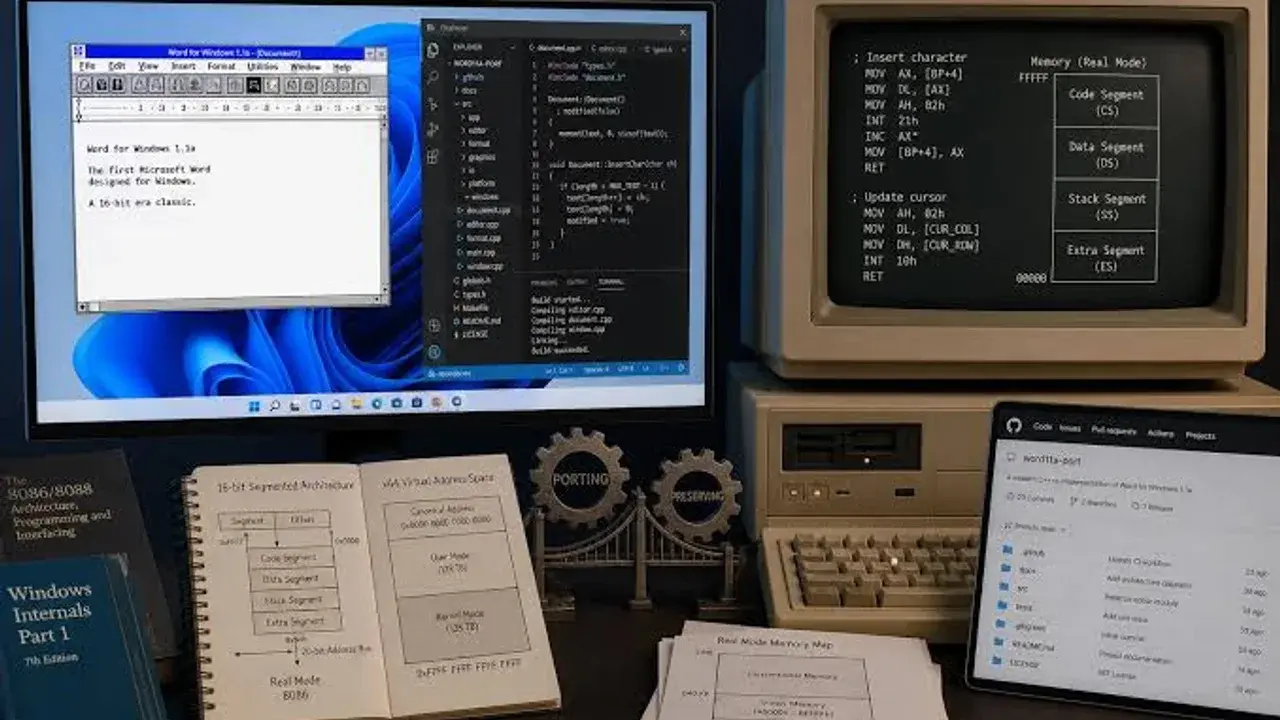
Software developer Justin Marshall has successfully ported Microsoft Word 1.1a, a vintage word processor originally released in 1990, to modern 64-bit Windows 10 and Windows 11 environments. By meticulously rebuilding the original source code and adapting the legacy 16-bit architecture for contemporary operating systems, Marshall has enabled users to experience the classic software on modern hardware. This technical achievement bridges a 35-year gap in software development, demonstrating how early applications can be revived through modern compilation techniques and engineering. The project is now available for tech enthusiasts to explore via Marshall’s public repository on GitHub.
- Justin Marshall successfully adapted the 16-bit Microsoft Word 1.1a code to function on modern 64-bit Windows systems.
- The project requires users to compile the source code using Visual Studio 2022 and CMake 3.25.
- The software preserves the original WYSIWYG interface that pioneered document visualization in the early 1990s.
The Evolution of Early Word Processing Software is Observed
In the early 1990s, the debut of Word 1.1a represented a significant shift in how users interacted with digital documents. Unlike its contemporaries, such as WordPerfect 5.0, which relied heavily on text-based command interfaces, Word introduced a revolutionary “What You See Is What You Get” (WYSIWYG) feature. 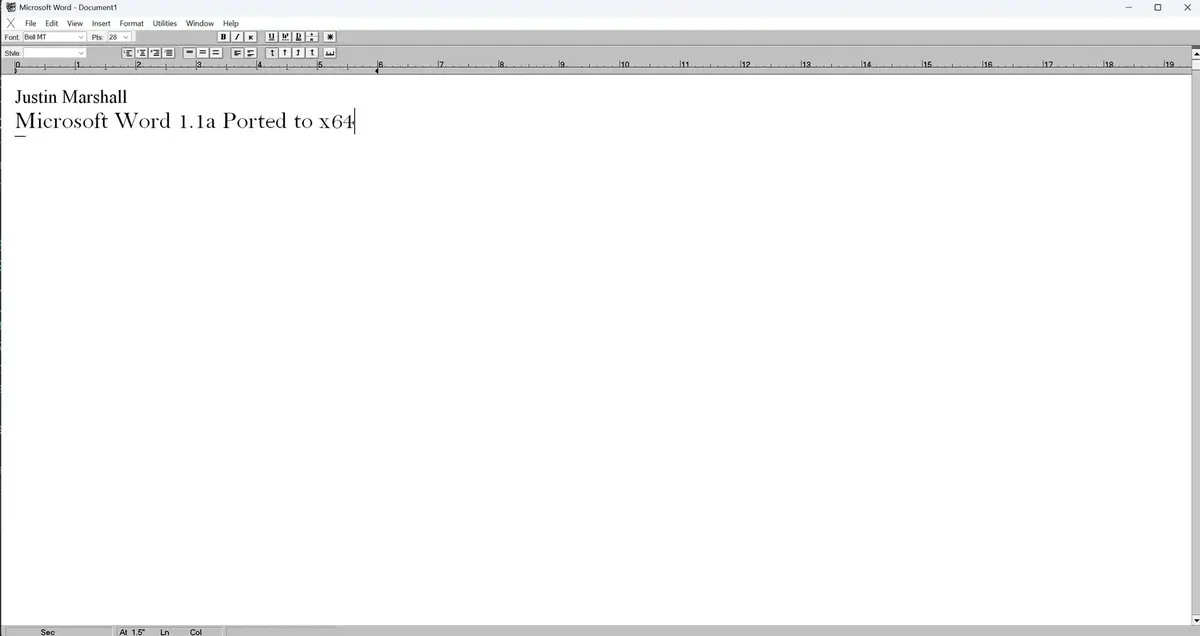 This allowed users to preview their document layout exactly as it would appear in print, a functionality that eventually became the industry standard for all word processing software.
This revival project highlights the stark contrast between the minimalist efficiency of 1990s software and the heavy, AI-driven applications dominating the current market.
Technical Requirements are Clearly Defined for Implementation
To recreate this experience on a contemporary machine, users must possess a specific set of development tools. 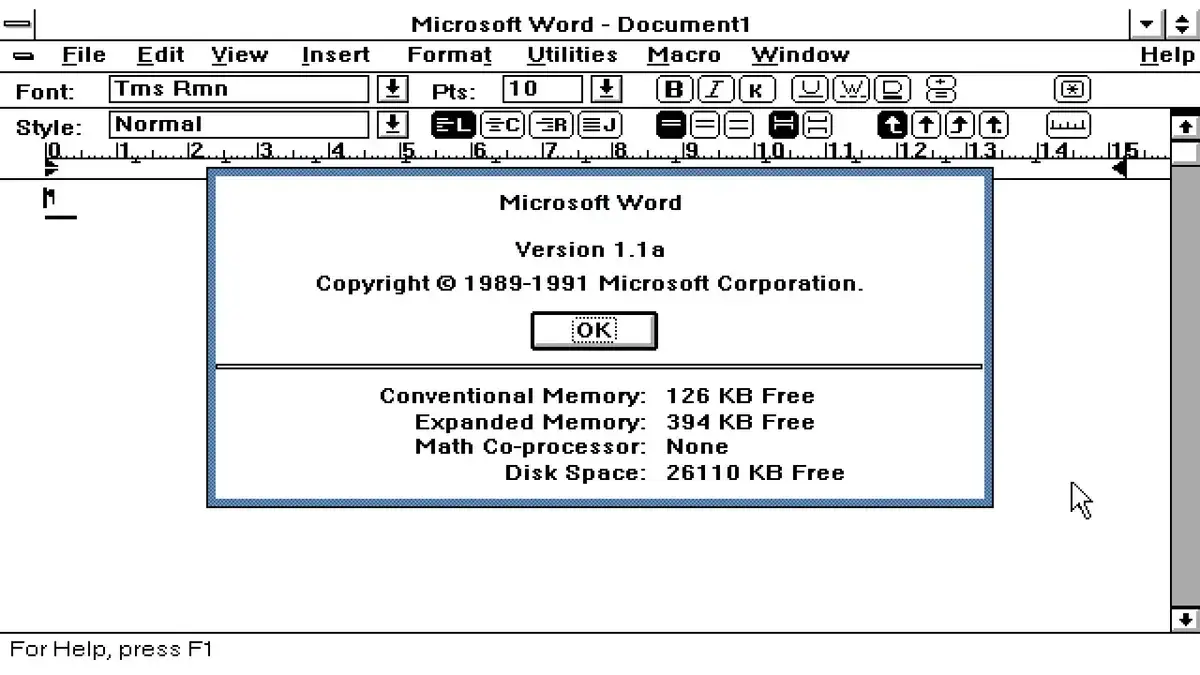 The process is not a simple “click-to-install” operation; it requires a foundational understanding of software compilation. Interested users must have an active 64-bit Windows operating system and a recent version of Microsoft’s integrated development environment, Visual Studio 2022.
Furthermore, the environment must be configured with the necessary Windows 10 or 11 SDK packages.  The inclusion of CMake 3.25 or a newer release is also mandatory to facilitate the build process correctly. Following the specific instructions provided on the developer’s GitHub page allows for the successful transformation of the legacy source into a functional executable file on modern hardware.
While this project serves as a bridge to the past, it also acts as a testament to the longevity of clean coding practices. By stripping away modern bloat, the software remains fast and responsive, offering a focused writing environment that many modern users might find surprisingly refreshing.
We are eager to hear your thoughts on this intersection of history and modern computing; do you view the preservation of 35-year-old software as a valuable technical pursuit or merely a nostalgic hobby, and would you attempt to run it on your own machine?
Your comment has been submitted,
it will be published after approval.