
Apple Navigates Political Hurdles in Talks with Chinese Chipmakers

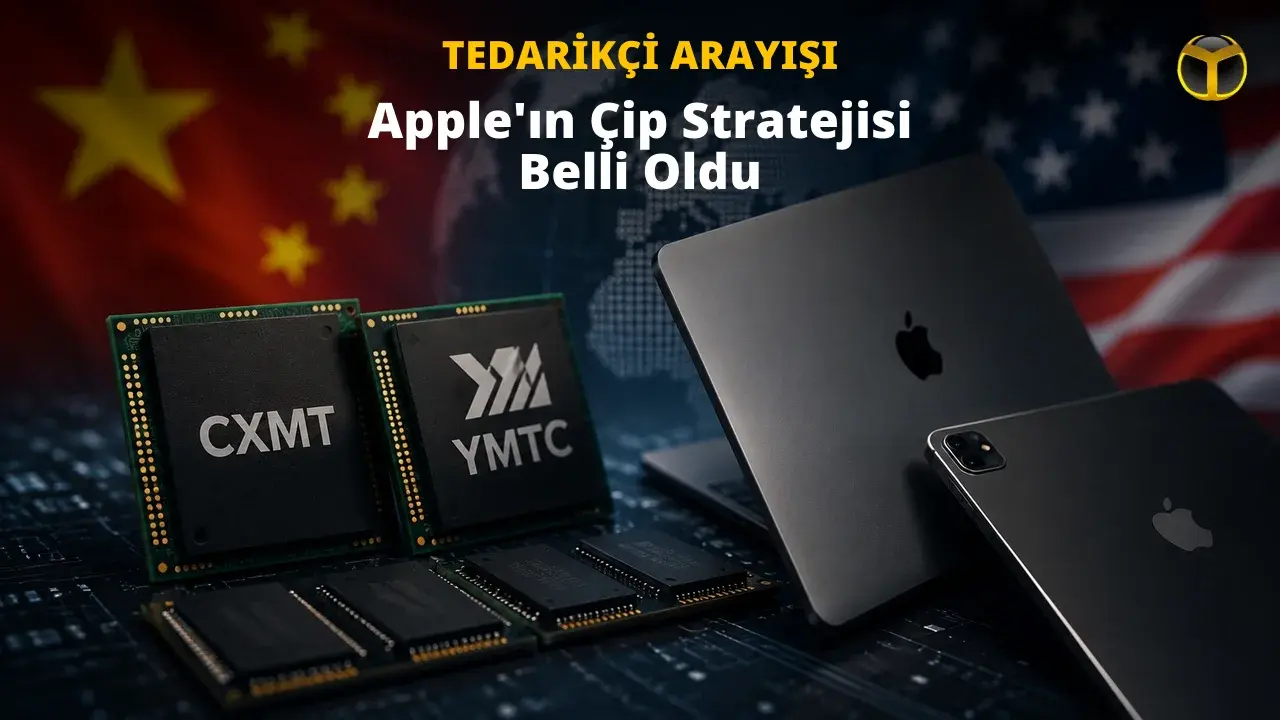
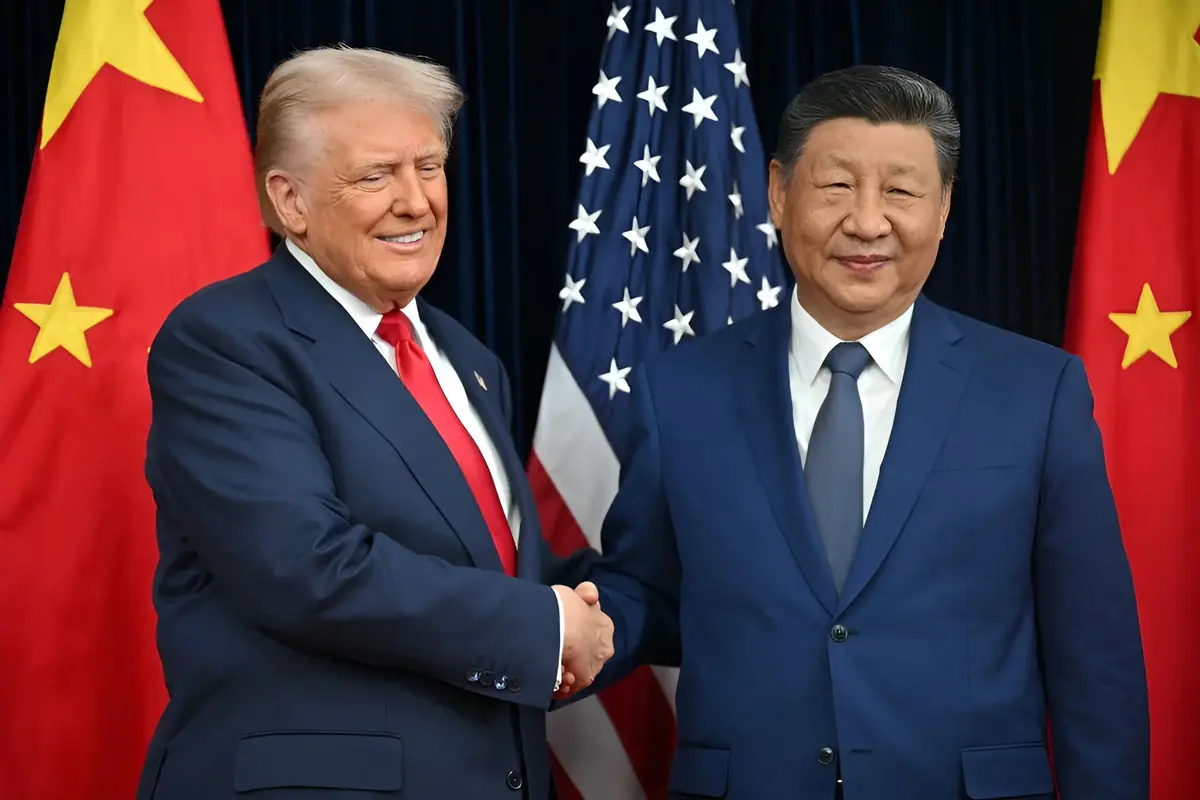
Apple is actively pursuing strategic partnerships with Chinese chip manufacturers CXMT and YMTC to secure a stable supply of DRAM and NAND memory modules, according to recent industry reports. As the company seeks to diversify its supply chain, these ongoing discussions have become a central point of contention ahead of the high-stakes meeting between U.S. President Donald Trump and Chinese President Xi Jinping scheduled for this September. While Apple contends that these components are intended exclusively for devices sold within the Chinese domestic market, the move has triggered intense scrutiny and political pressure from lawmakers in Washington.
- Apple is negotiating with CXMT and YMTC to integrate their DRAM and NAND memory modules into its supply chain.
- The potential partnership faces significant opposition from U.S. lawmakers concerned about national security and technology transfers.
- Apple is currently lobbying the U.S. government to secure necessary exemptions for these Chinese-made components.
- CXMT has reportedly refused to offer price concessions during the ongoing commercial negotiations.
The proposed collaboration represents a critical pivot in Apple’s global manufacturing strategy despite escalating geopolitical tensions.
Supply Chain Strategies Face Political Scrutiny
For Apple, the primary objective of engaging with Chinese semiconductor firms is to strengthen its logistics and optimize production costs. By diversifying its source of memory modules, the tech giant aims to reduce its reliance on traditional suppliers. However, the presence of CXMT on the Pentagon’s restricted entities list complicates these efforts significantly. The company is currently engaged in intensive lobbying efforts to reassure American regulators that the integration of these chips will be strictly limited to the Chinese market.
Reports from Bloomberg suggest that Apple management remains in constant communication with the U.S. administration to mitigate potential political fallout. The company is striving to demonstrate that these partnerships are primarily driven by technical necessity and supply chain resilience rather than a shift in core corporate values. Despite these efforts, the pressure from legislative bodies remains high, with demands for full transparency regarding any technical data shared with the Chinese manufacturers.
Legislative Challenges Continue to Mount
The path toward a finalized agreement is fraught with difficulty as U.S. officials continue to voice strong opposition. Lawmakers have set a firm deadline for Apple to provide a comprehensive explanation of its plans and to disclose the nature of the technical information shared with CXMT and YMTC. There is a palpable concern that such cooperation could inadvertently facilitate advanced technology transfers that violate current trade security protocols.
Legislative pressure forces Apple to justify its procurement strategy against national security interests.
Technical constraints also present a significant hurdle for this potential collaboration. Industry analysts remain skeptical about whether CXMT possesses the production capacity and the advanced technical specifications required to meet Apple’s stringent quality standards. Furthermore, recent reports indicate that CXMT is maintaining a firm stance on pricing, which undermines Apple’s goal of achieving a cost advantage through this localized sourcing strategy.
Future Prospects Remain Highly Uncertain
Speculation circulating on social media platforms suggests that the Trump administration might grant conditional approvals following the September summit with President Xi. This would be interpreted by many observers as a symbolic gesture of goodwill between the two global powers. Nevertheless, until concrete policy changes are enacted, the future of these negotiations remains largely speculative. Apple must balance its operational efficiency against the growing demand for transparency from government stakeholders.
We are interested to hear your perspective on this strategic move; how do you think these potential partnerships with Chinese firms will impact the future of the global tech industry?
Your comment has been submitted,
it will be published after approval.