
Linux Kernel 7.3 Revives the 25-Year-Old 3dfx Voodoo 3

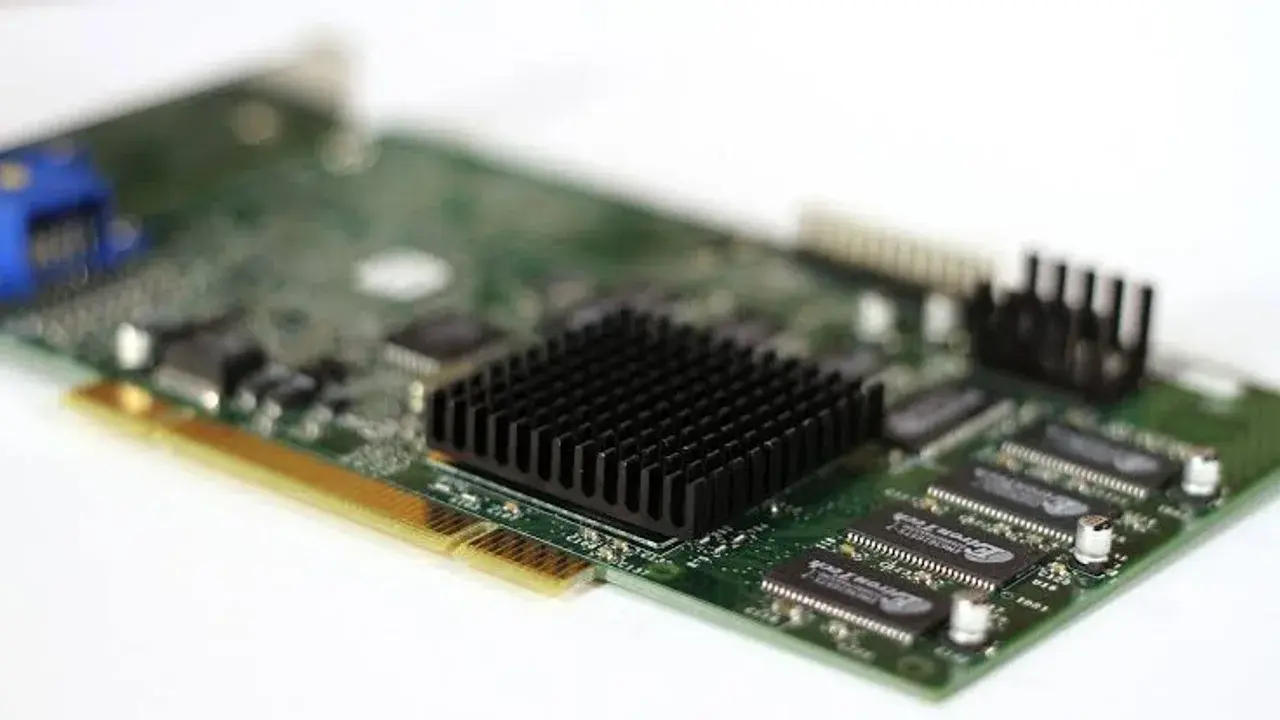
In a surprising development for retro-computing enthusiasts, the upcoming Linux kernel 7.3 introduces native support for the legendary 3dfx Voodoo 3 graphics card. This update, spearheaded by developer Daniel Palmer, allows the 25-year-old hardware to initialize directly through the Linux kernel rather than relying on a system BIOS. By bypassing the traditional firmware initialization process, the driver enables the vintage GPU to function on modern systems or exotic hardware configurations where legacy firmware support is often absent. This technical milestone ensures that one of the most iconic pieces of late-90s technology remains functional in contemporary computing environments.
- The new driver eliminates the reliance on system BIOS for Voodoo 3 initialization.
- Developer Daniel Palmer implemented these changes within the tdfxfb framebuffer driver.
- Experimental 3D support allows the card to run applications like Quake without modern graphics layers.
- Current updates specifically target the Voodoo 3 series while excluding Voodoo 4 and 5 models.
The New Driver Removes BIOS Dependencies
The core of this innovation lies in how the tdfxfb framebuffer driver handles hardware communication. Historically, this driver assumed that the card had already been initialized by the motherboard firmware. Palmer identified a critical flaw in this logic while attempting to utilize a Voodoo 3 card on an Amiga 4000 system equipped with a PCI bridge. 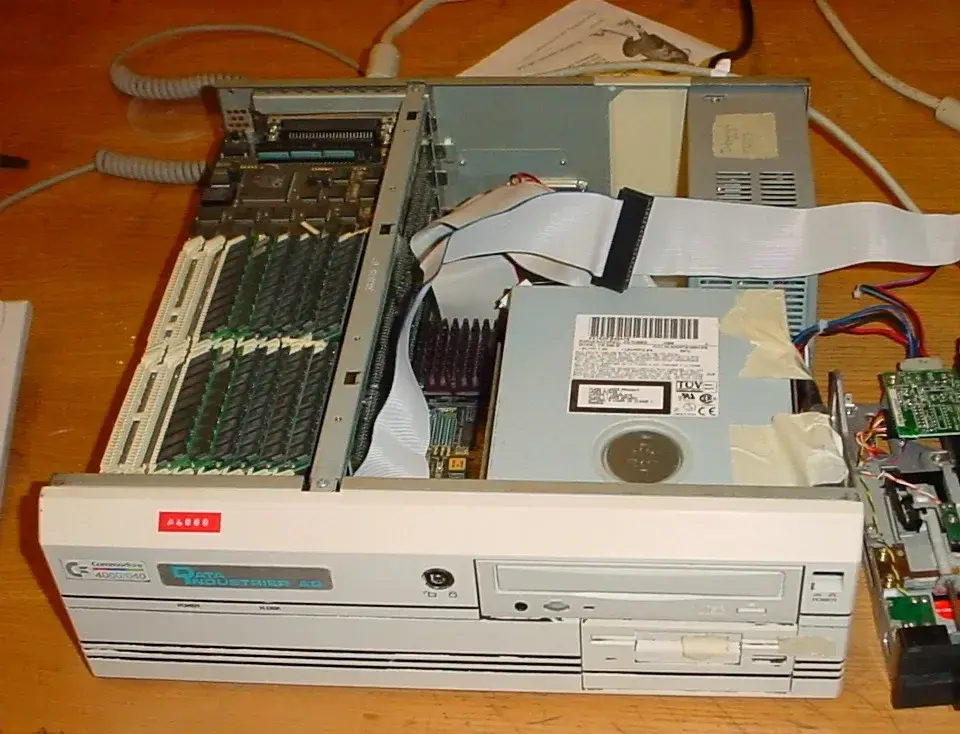 Because the system failed to trigger the card’s VGA core, the hardware remained dormant despite being physically detected by the bus.
The updated code now extracts configuration data directly from the card’s video BIOS to complete the startup sequence autonomously.
By managing the VGA core directly, the Linux kernel can now force the hardware to output a signal even when the system firmware ignores the device. This approach provides a significant lifeline for users maintaining aging hardware in specialized setups. While the patch is currently restricted to Voodoo 3 cards due to the unique BIOS architectures found in later Voodoo 4 and 5 models, it represents a successful experiment in bridging the gap between decades-old hardware and modern software stacks.
Experimental 3D Capabilities Enhance Performance
Beyond simple display output, Palmer is actively exploring the potential for 3D acceleration on this classic silicon. The introduction of a new device interface, /dev/tdfx3d, provides a pathway for software to interact directly with the card’s 3D hardware components. 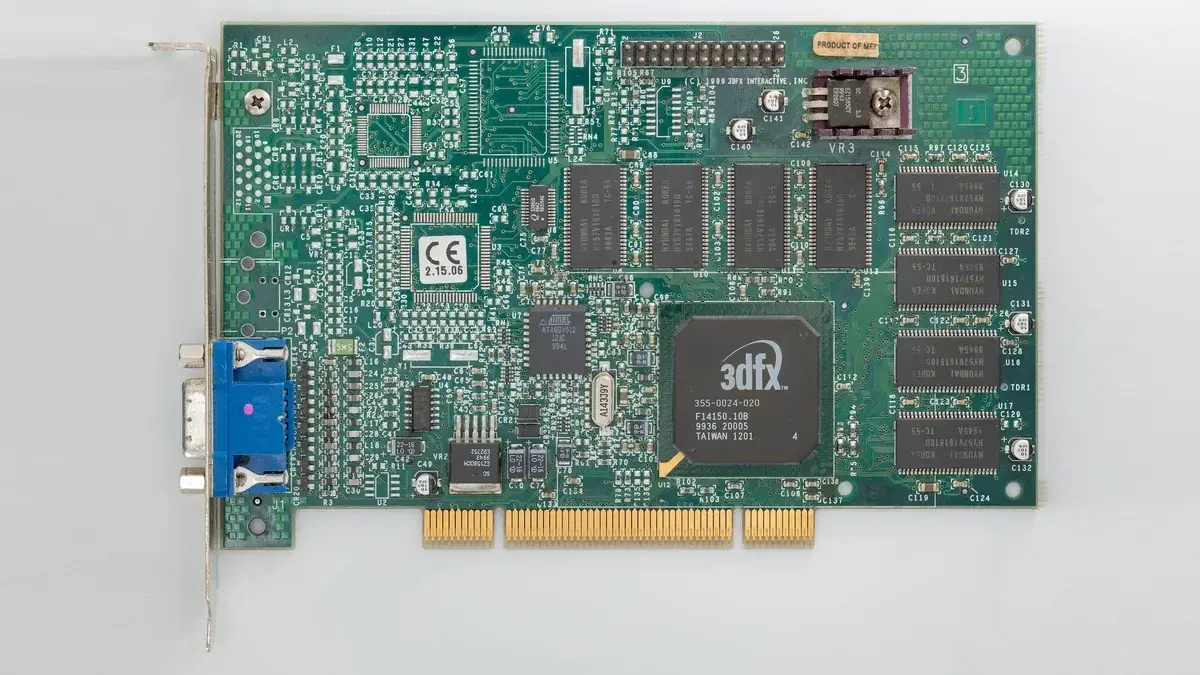 By utilizing the smoltdfx library in conjunction with the smolminigl OpenGL implementation, the system can render 3D environments without needing complex modern stacks like Mesa or an X server.
Initial tests confirm that the card can successfully execute the game Quake through this lightweight, direct-to-hardware interface.
The development process has relied heavily on QEMU emulation to compare real-world hardware behavior against virtualized environments. This rigorous testing methodology aims to refine the driver for future applications, such as PCI passthrough for virtual machines. Such functionality could eventually allow users to run legacy Windows 98 or DOS-based software on modern Linux hosts with authentic 3D performance. While this update does not transform a 25-year-old card into a modern powerhouse, it preserves a vital piece of gaming history. We invite you to share your thoughts in the comments section: Do you believe maintaining support for such vintage hardware is a worthwhile pursuit for the open-source community, or is it merely a nostalgic hobby?
Have you ever attempted to get vintage hardware running on a modern Linux distribution, and what were the most significant challenges you encountered during the process?
Your comment has been submitted,
it will be published after approval.