
Solid-State Battery Technology Will Arrive on Smartphones First

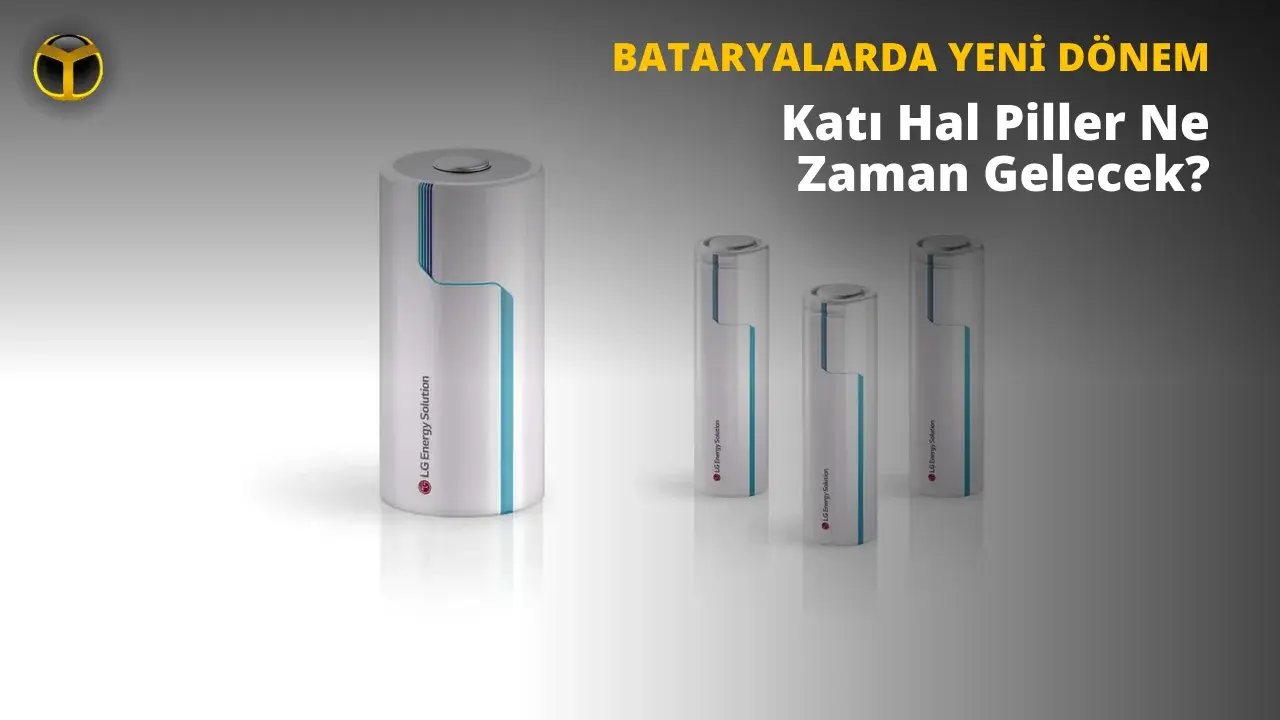
LG Energy Solution has recently provided a significant update regarding the future of solid-state battery technology, suggesting that these advanced power cells will debut in compact electronics well before they reach the automotive sector. During a recent event at a new facility in Michigan, Robert Lee, the North American President of LG Energy Solution, clarified that major manufacturing hurdles currently hinder the large-scale production required for electric vehicles. Consequently, the industry is shifting its focus toward smaller devices, such as smartphones, which are expected to adopt solid-state technology approximately a decade earlier than electric cars.
- LG Energy Solution confirms that solid-state battery production faces significant scaling challenges for the automotive industry.
- Smartphones are projected to integrate solid-state technology roughly ten years before widespread adoption in electric vehicles.
- Major automakers like Mercedes-Benz and BMW are currently testing prototype batteries to evaluate real-world performance.
- Manufacturers are diversifying their portfolios by exploring lithium-manganese-rich and sodium-ion battery alternatives.
Manufacturing Obstacles Impede Automotive Integration
While solid-state batteries offer superior energy density and improved thermal safety, the transition from laboratory prototypes to mass-market automotive components remains complex. Automakers are currently experimenting with semi-solid and solid-state designs to bridge this gap. For instance, Mercedes-Benz recently showcased a prototype EQS equipped with Factorial Energy batteries that achieved a range of 750 miles on a single charge. Similarly, BMW is integrating Solid Power technology into its i7 models, while Dodge is testing related systems in the Charger Daytona EV. Despite these milestones, the industry must still optimize high-volume production processes to move beyond limited testing phases.
Mass-market commercialization of solid-state technology relies heavily on overcoming current production bottlenecks.
Global Competitors Accelerate Development Timelines
Chinese battery manufacturers, including BYD, CATL, and Geely, are pushing an aggressive agenda to dominate the solid-state market. These firms aim to launch pilot programs by 2027 and reach full-scale distribution by the end of the decade. In response, LG Energy Solution is focusing on refining current lithium-ion capabilities to maintain a competitive edge. The company is actively developing lithium-manganese-rich (LMR) batteries alongside General Motors, which are designed to reduce reliance on expensive and environmentally taxing materials like cobalt and nickel. 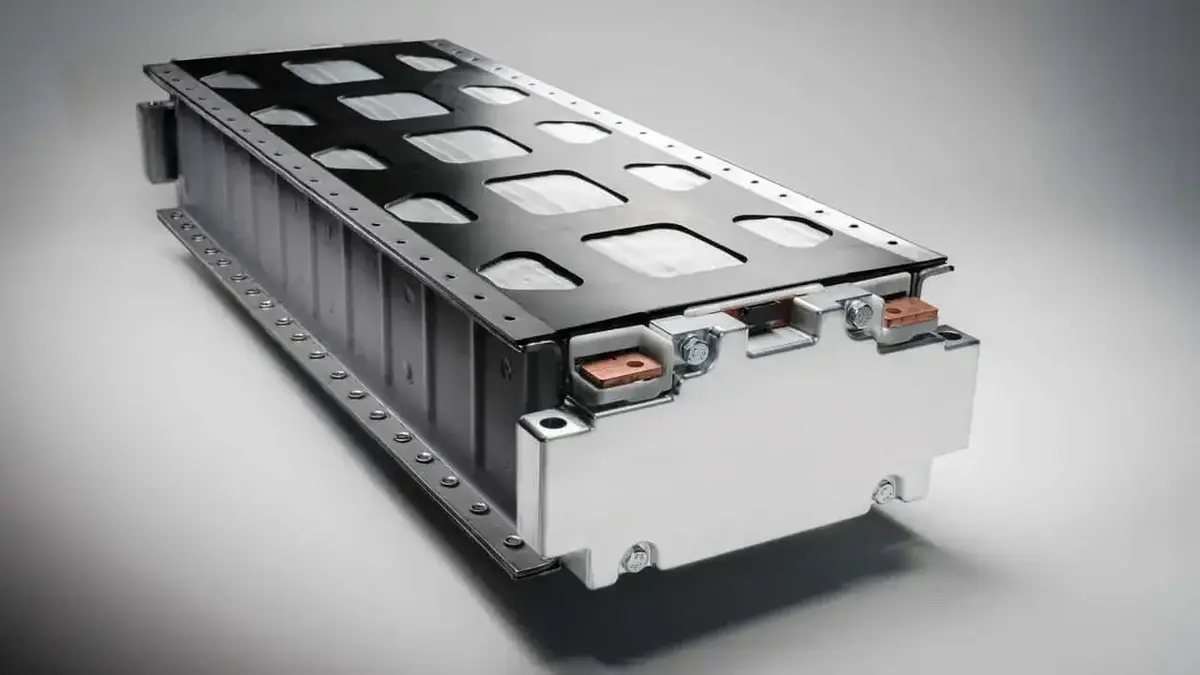
Diversification Remains a Strategic Priority
Beyond LMR batteries, LG Energy Solution is preparing for the production of 46-series lithium-ion cells at its new Arizona plant. These cells are engineered to support 10-minute ultra-fast charging while adhering to stringent safety protocols. Furthermore, the company has initiated pilot programs for sodium-ion batteries, which are viewed as a cost-effective solution for stationary energy storage systems. By balancing short-term lithium-ion enhancements with long-term solid-state research, the company intends to secure its position across both consumer electronics and transport sectors. 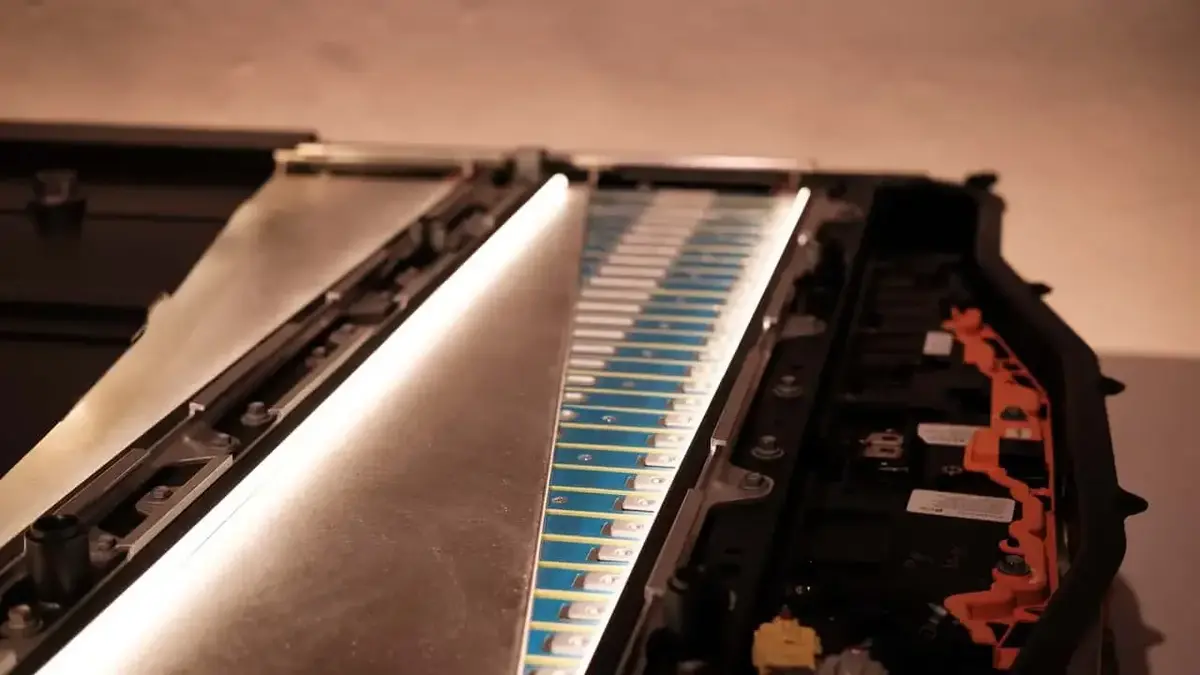
Diversifying energy storage technologies ensures long-term viability against evolving market demands.
Given the rapid advancements in battery chemistry, we invite you to share your perspective on whether current automotive manufacturers are moving quickly enough to meet the growing consumer demand for longer-range and safer electric vehicles.
Your comment has been submitted,
it will be published after approval.