
Turkey’s KAAN Fighter Jet Reaches 90 Percent Localization Rate

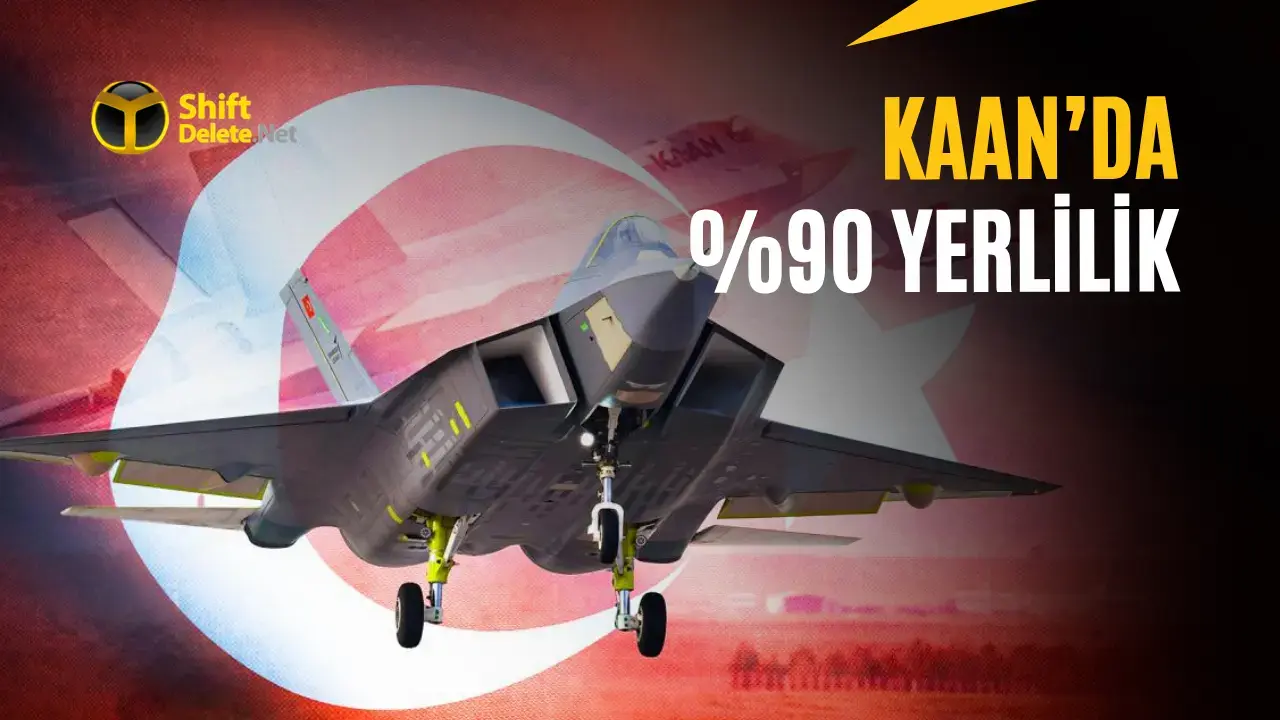
Turkish Aerospace Industries (TUSAŞ) has reached a significant milestone in its national combat aircraft program, with General Manager Mehmet Demiroğlu announcing that the KAAN project has achieved a 90 percent localization rate in its current prototype. This development represents a major leap forward for the Turkish defense industry’s objective of achieving complete supply chain independence. As the aircraft undergoes rigorous testing, the integration of domestic subsystems remains a priority for the development team. The current progress confirms that TUSAŞ is successfully transitioning from foreign dependency to a self-sufficient production model for its most ambitious aerospace endeavor to date.
- The current prototype of the KAAN fighter jet has achieved a 90 percent domestic production rate.
- Engine and ejection seat systems remain the primary components currently sourced from international suppliers.
- TUSAŞ plans to finalize the integration of the national TF35000 turbofan engine by 2032.
- Three separate KAAN prototypes will support an intensive testing campaign starting in 2027.
The KAAN project marks the highest level of domestic integration ever achieved by TUSAŞ in a prototype combat aircraft.
Localization Efforts Continue to Expand for Future Units
General Manager Mehmet Demiroğlu emphasized that the 90 percent localization figure is not a static ceiling but a baseline for the development process. He clarified that components not currently produced domestically are either in the final stages of manufacturing or scheduled to be replaced by local solutions in the second and third prototypes. This strategic approach ensures that the platform evolves toward total technological sovereignty.
By focusing on sub-system independence, the company aims to reduce reliance on external logistical chains. This shift is critical for ensuring the long-term operational readiness of the national combat aircraft fleet under various geopolitical conditions.
National Engine Development Remains a Critical Objective
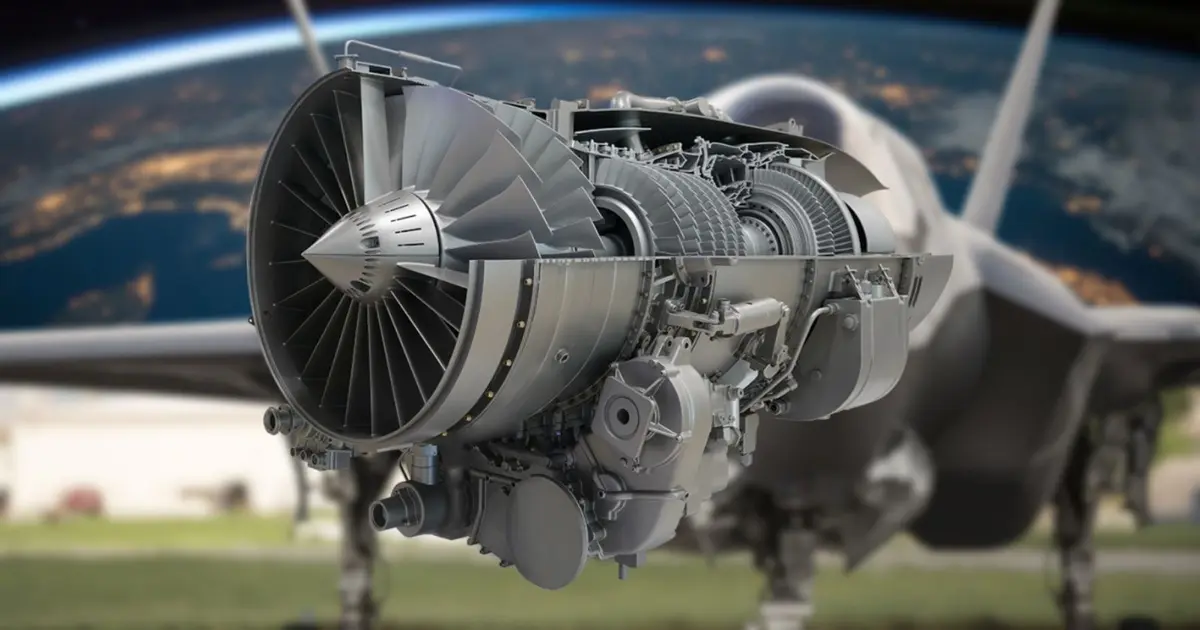
The propulsion system remains the most complex challenge in the KAAN development roadmap. While initial development and early production aircraft will utilize the F110 engine to facilitate flight testing and performance evaluation, the long-term vision is centered on the TF35000 national turbofan engine. This proprietary engine will ultimately replace the transitional powerplants currently used.
National Engine Testing Schedule Targets the Year 2032
TUSAŞ is actively working toward the 2032 target for the initial testing phase of the national engine. Engineers face significant technical hurdles in developing a high-performance jet engine from scratch, but the roadmap remains focused on full integration. Once the TF35000 is fully operational, the aircraft will reach near-complete domestic parity, effectively eliminating the need for foreign-sourced propulsion units.
The successful integration of a national engine will finalize the path toward complete technological independence for Turkey’s fifth-generation fighter.
Flight Test Program Expands With New Prototypes
Beyond localization, the flight test campaign is gaining significant momentum. Following the successful maiden flight of the first prototype, the second unit has already begun taxi testing. Simultaneously, the third prototype has moved into the final assembly stage. TUSAŞ intends to have these two additional aircraft ready for flight by 2026. By 2027, the program will shift into a high-intensity phase, utilizing three distinct prototypes to test advanced weapon systems and mission-critical software simultaneously.
How do you evaluate the progress of the KAAN project in terms of national defense independence? We invite you to share your thoughts on the impact of this local engine development in the comments section below.
Your comment has been submitted,
it will be published after approval.