
New BMW X7 Prototype Spotted Testing with V8 Engine

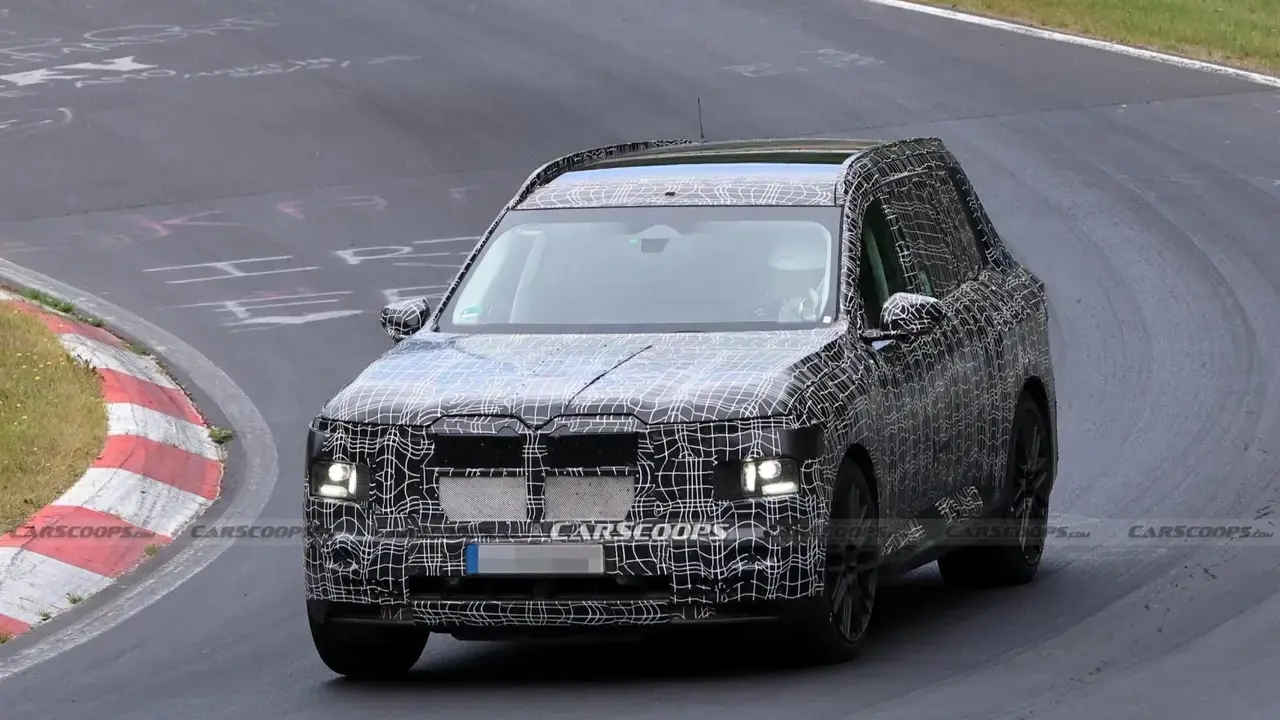
German automotive giant BMW has accelerated development for the next generation of its flagship SUV, the BMW X7, with new prototypes recently spotted undergoing rigorous testing at the legendary Nürburgring circuit. This latest sighting confirms that the luxury automaker intends to preserve its iconic design language while bolstering its performance heritage. The test vehicle, widely believed to be an M Performance variant, features a signature quad-exhaust setup that signals the continued inclusion of the high-performance V8 engine. As BMW balances traditional internal combustion power with rapid digital transformation, this prototype offers a clear glimpse into the future of the brand’s luxury segment strategy.
- The upcoming BMW X7 generation will retain the high-performance V8 engine architecture in its flagship M70 variant.
- The vehicle interior will feature a major digital overhaul through the integration of the Panoramic iDrive infotainment system.
- BMW plans to expand the model range by adding a plug-in hybrid option and a fully electric iX7 version.
Evolutionary Design Elements Define the Exterior
The next-generation BMW X7 adopts an evolutionary design philosophy rather than a radical departure from its predecessor. The vehicle maintains its signature, imposing front grille and split headlight configuration, which serve as the cornerstone of its visual identity. Engineers have incorporated subtle modern touches, such as flush door handles, to improve aerodynamic efficiency. At the rear, the taillights have been redesigned to extend toward the tailgate, providing the SUV with a sharper and more contemporary aesthetic.
Performance Standards Remain High for Engine Options
The current 4.4-liter twin-turbocharged V8 engine, which produces 530 horsepower in the M60i, is expected to be replaced by a more potent unit in the upcoming generation. Industry reports suggest that the new M70 variant could exceed 600 horsepower, effectively raising the bar in the luxury SUV segment. Entry-level models will likely utilize smooth inline-six engines supported by 48-volt mild-hybrid technology to enhance fuel economy and power delivery. 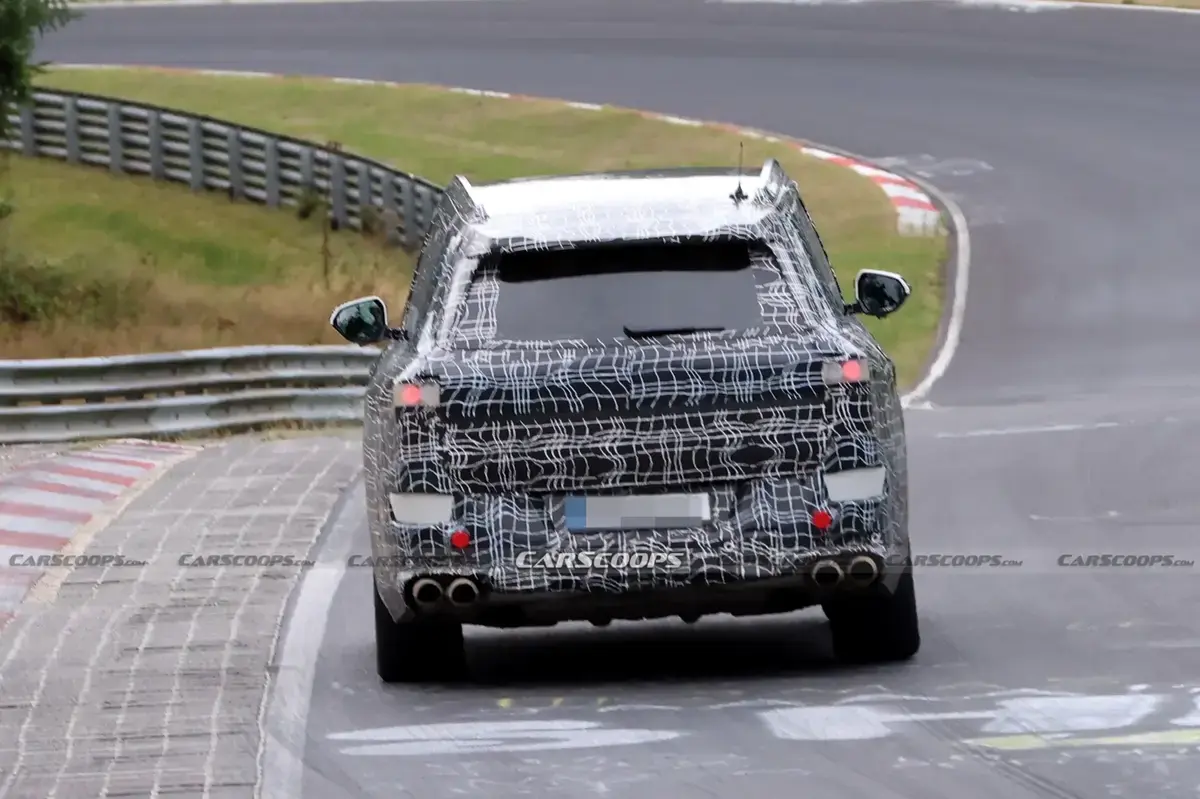
Digital Infrastructure Transforms the Interior Experience
The most significant technological leap occurs within the cabin, where BMW has prioritized a driver-centric digital interface. By incorporating the Panoramic iDrive system, the manufacturer provides passengers with a wider and more intuitive interactive surface. Data projections on the lower windshield combined with a centralized touchscreen interface signify a shift toward a fully digitized driving environment. Furthermore, market analysts expect the Alpina XB7 to remain a specialized, ultra-luxury offering within the BMW portfolio.
Electric Future Becomes a Priority
Beyond the internal combustion engine offerings, BMW is heavily invested in developing a fully electric iX7. Both the gasoline and electric variants are engineered on an evolved version of the modular CLAR platform, which provides the necessary flexibility for diverse powertrains. This strategic decision allows the automaker to optimize production costs while facilitating the transition to electrified transport. While a formal release date has not been announced, the ongoing testing phase at the Nürburgring suggests that the development team is nearing the final stages of the project.
What are your thoughts on BMW retaining the massive front grille and the V8 engine for the next BMW X7? Do you believe the upcoming electric iX7 can secure the brand’s lead in the luxury SUV market? Share your opinions in the comments section below.
Your comment has been submitted,
it will be published after approval.