
Chery Sets 2027 Deadline for Solid-State Battery Road Tests

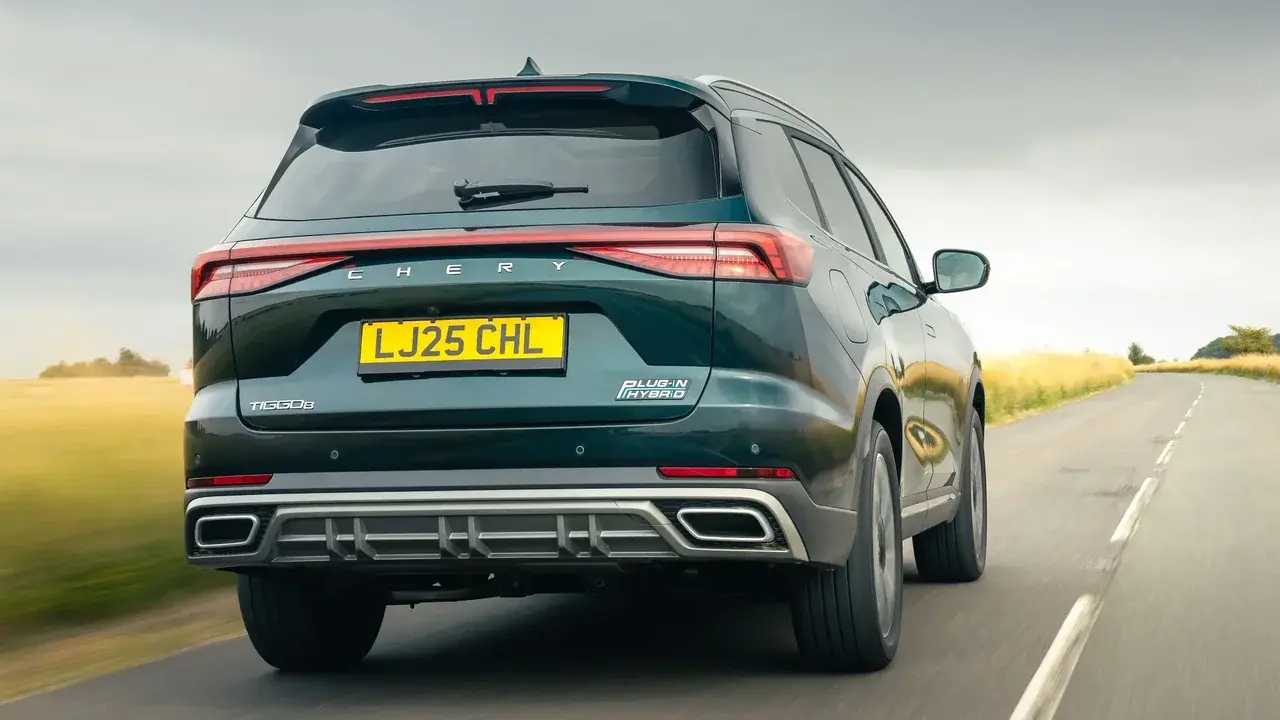
Chery Chairman Yin Tongyue has officially announced that the company plans to commence real-world vehicle testing for its advanced solid-state battery technology by 2027. To accelerate this transition, the Chinese automotive giant has committed a substantial investment budget totaling 10 billion yuan, approximately 1.5 billion dollars. This strategic initiative aims to revolutionize electric vehicle performance by integrating next-generation energy storage solutions that prioritize both safety and efficiency. As the automotive industry shifts toward more sustainable and long-range mobility, Chery is positioning itself at the forefront of the global solid-state battery race by focusing on rigorous testing protocols and scalable manufacturing.
- Chery allocated a 1.5 billion dollar investment to develop and integrate solid-state battery technology into its future vehicle lineup.
- The company aims to achieve energy densities between 400 Wh/kg and 600 Wh/kg, potentially enabling a driving range of up to 1,500 kilometers.
- Initial road testing for these high-density batteries is scheduled to begin in 2027 using the Exeed ES8 station wagon model.
- Subsidiary firm Anwa New Energy Technology has already initiated trial production with an annual capacity of 1.25 GWh.
The development of these batteries centers on a core commitment to safety, as emphasized by company leadership. Yin Tongyue stated that no technology will be deployed in consumer vehicles until it meets the most stringent safety benchmarks. This cautious approach ensures that while the company pushes the boundaries of power density, the structural integrity of the battery remains uncompromised. The current roadmap focuses on the Rhino S battery family, which is designed to handle the high-performance demands of future electric platforms.
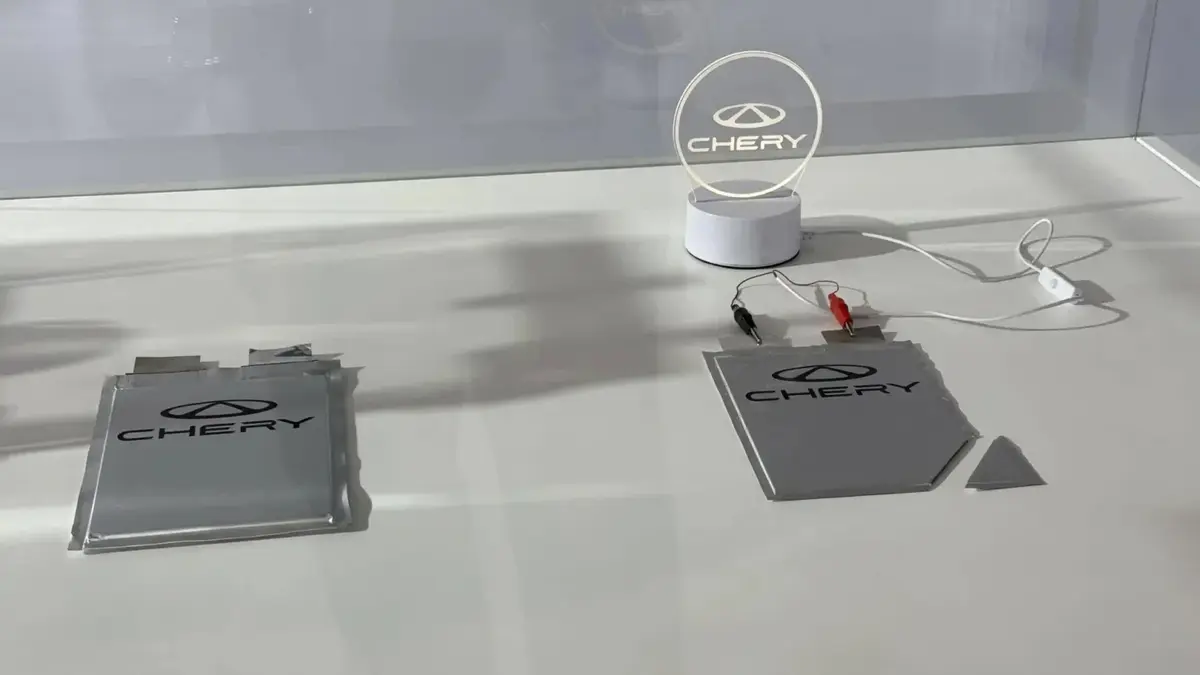
Engineers Target Significant Increases in Energy Density
The technical specifications released by Chery highlight the impressive capabilities of their new battery cells. By reaching an energy density of 400 Wh/kg, the company is significantly outperforming many current lithium-ion solutions available on the market. These advancements suggest that future Chery vehicles could achieve a driving range of up to 1,500 kilometers on a single charge, addressing one of the primary concerns for modern electric vehicle owners regarding range anxiety. The Exeed ES8 station wagon, which was teased in late 2025, serves as the primary prototype for these real-world validation tests.
Semi-Solid Technology Leads to Full-Scale Production
Before achieving total reliance on solid-state batteries, Chery intends to roll out semi-solid battery packs to its production vehicles. The launch of these Rhino semi-solid systems is slated for the final quarter of 2026. This intermediate step allows the manufacturer to gain valuable operational data while simultaneously scaling up the manufacturing capabilities of their subsidiary, Anwa New Energy Technology.
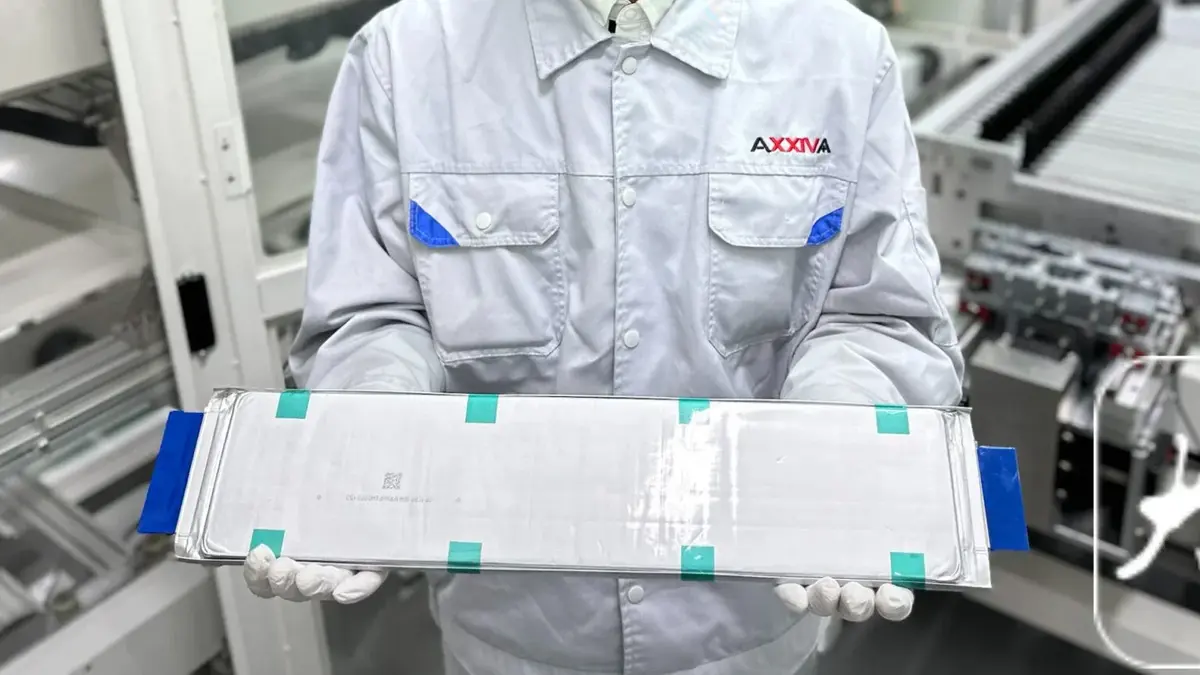
Anwa, which benefits from collaborative ties within the industry, has established a comprehensive production chain that encompasses everything from individual cell creation to full pack assembly. With a planned annual capacity of 1.25 GWh, the facility is prepared to meet early demand for these high-capacity power units. This transition strategy reflects a broader trend among Chinese manufacturers, including industry leaders like BYD, CATL, and Geely, who are all working toward similar 2027 timelines for widespread testing and deployment.
Given the potential for 1,500 kilometers of range, we would love to hear your perspective on whether this development will finally convince traditional internal combustion engine drivers to switch to electric vehicles; please share your thoughts in the comments section below.
Your comment has been submitted,
it will be published after approval.