
What Happens When You Perform an EGR System Deletion?

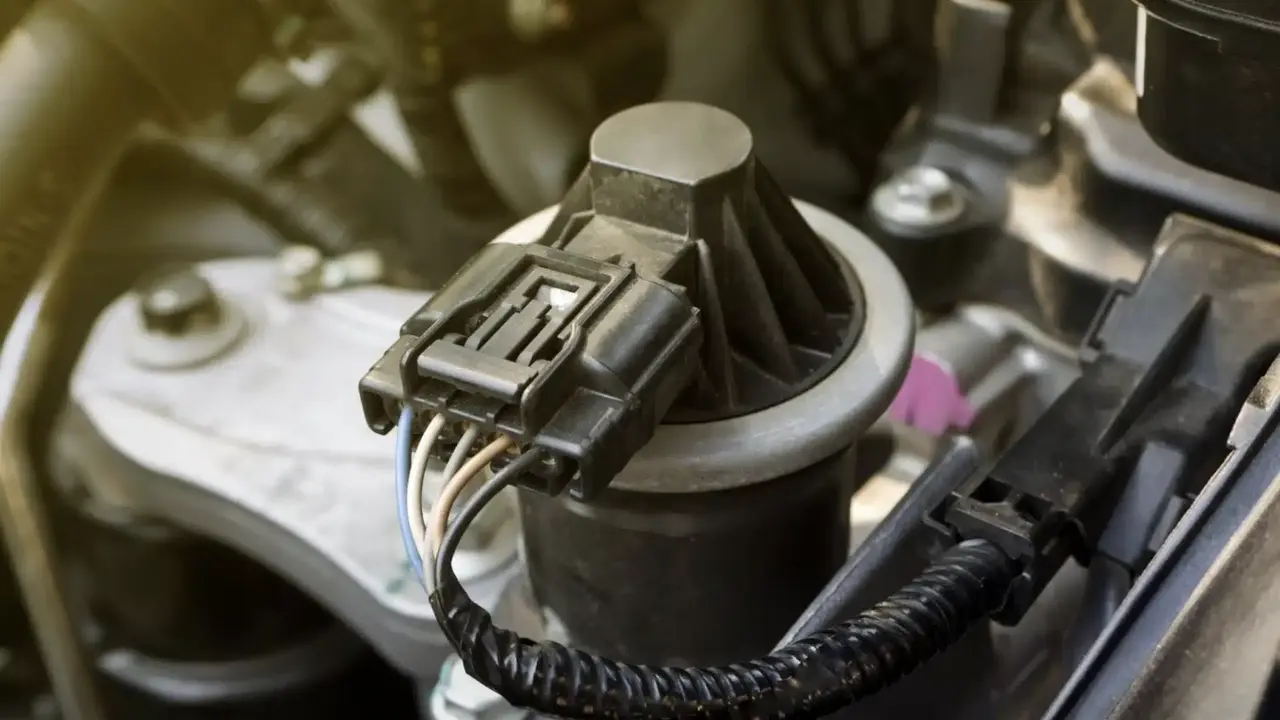
Vehicle owners frequently investigate the process of EGR deletion to enhance engine performance or avoid the significant repair costs associated with clogged valves. The Exhaust Gas Recirculation (EGR) system is designed to recirculate a portion of exhaust gases back into the combustion chamber to reduce nitrogen oxide emissions. However, when this system is bypassed or disabled, the internal dynamics of the engine undergo fundamental changes. While some drivers report immediate improvements in throttle response, this modification carries long-term implications for engine health, environmental compliance, and legal vehicle inspections that every car owner must carefully consider before proceeding.
- The EGR system reduces combustion temperatures to lower harmful nitrogen oxide emissions.
- Disabling the EGR system often triggers ECU error codes and engine warning lights in modern vehicles.
- Removing the EGR valve can lead to increased thermal stress on critical engine components like valves and turbochargers.
- Vehicle owners may face significant difficulties during mandatory emission tests after modifying the exhaust gas system.
The EGR System Affects Engine Performance
The primary function of the EGR system is to act as an environmental safeguard by diluting the air-fuel mixture with inert exhaust gases. This process lowers peak combustion temperatures, which effectively inhibits the formation of nitrogen oxides. Despite these environmental benefits, the system is notorious for causing mechanical headaches over time. As exhaust soot circulates through the system, it often leads to carbon buildup in the intake manifold and valves, eventually causing the EGR valve to stick. This failure results in a noticeable loss of power, rough idling, and the illumination of the check engine light on the dashboard. 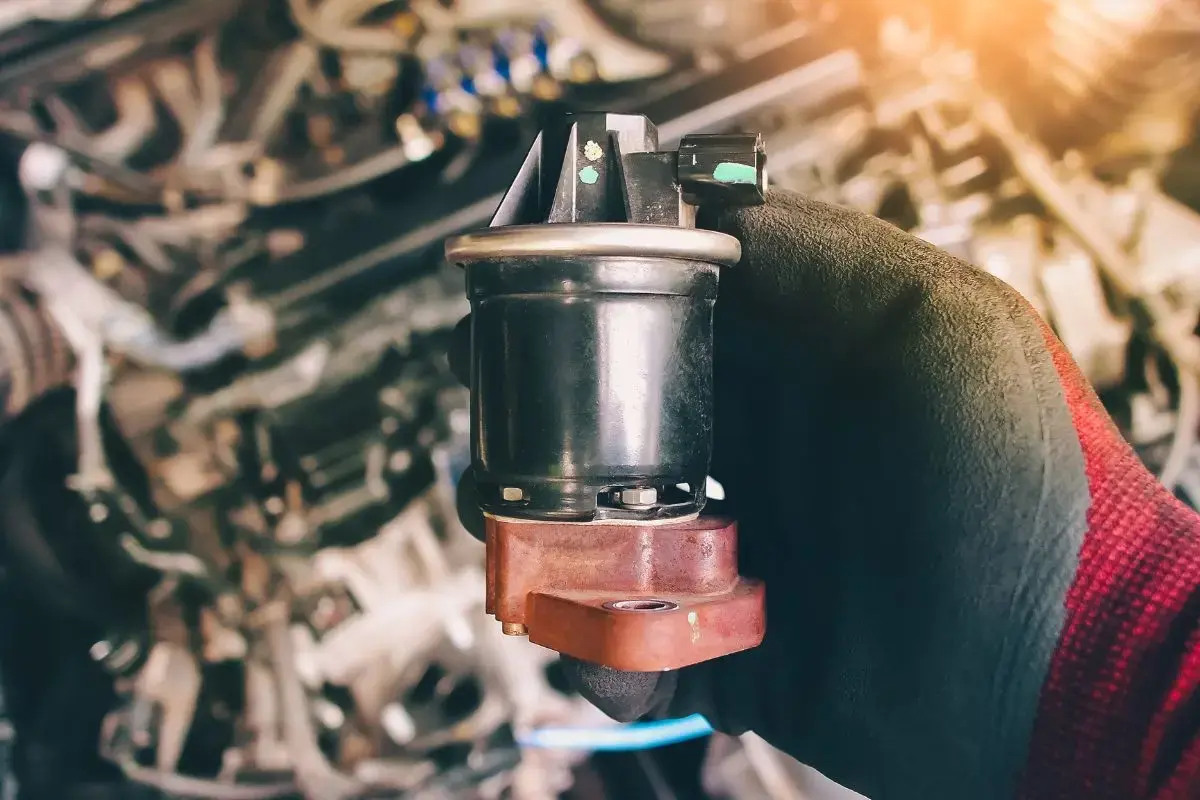
Performance Gains Provide Certain Advantages
When the EGR valve is permanently closed or removed, the engine receives only fresh, oxygen-rich air for combustion. This shift in intake quality can lead to several immediate benefits for the vehicle’s operation. By eliminating the recirculation of soot-laden gas, the combustion process becomes more efficient, particularly at lower engine revolutions. Many drivers observe a smoother throttle response and a slight increase in power output. Furthermore, because the intake path remains free of carbon deposits, the engine’s long-term breathing capability is preserved, which can contribute to a minor improvement in overall fuel efficiency under specific driving conditions.
Risks and Drawbacks Should Not Be Ignored
Despite the allure of improved power, there are substantial risks involved in bypassing factory-installed emission controls. One of the most immediate consequences is a significant increase in the vehicle’s nitrogen oxide emissions, which contributes directly to environmental degradation. Beyond the ecological impact, the engine may suffer from thermal management issues. The EGR system assists the motor in reaching its optimal operating temperature more quickly; without it, the engine takes longer to warm up during winter months, increasing wear on internal components during the cold-start phase. Additionally, the lack of gas-based temperature control can expose valves and turbocharger components to excessive heat, potentially shortening their operational lifespan significantly.
Professional Maintenance Remains the Best Choice
While the temptation to permanently delete the EGR system is high due to the promise of avoiding future cleaning costs, it is rarely the most sustainable solution. The complexity of modern engine management systems means that simply blocking a valve can lead to cascading electronic faults that are difficult to diagnose. From a legal and mechanical standpoint, prioritizing regular cleaning of the EGR valve or opting for an original part replacement is the most reliable way to maintain vehicle longevity. These methods ensure that the car remains within factory specifications while avoiding the harsh penalties associated with tampering with emission control systems.
Have you ever considered performing an EGR deletion on your vehicle, or have you experienced issues with a clogged valve? Share your experiences and thoughts in the comments section below to help other drivers make an informed decision.
Your comment has been submitted,
it will be published after approval.