
Volkswagen Group Plans to Phase Out SEAT by 2029

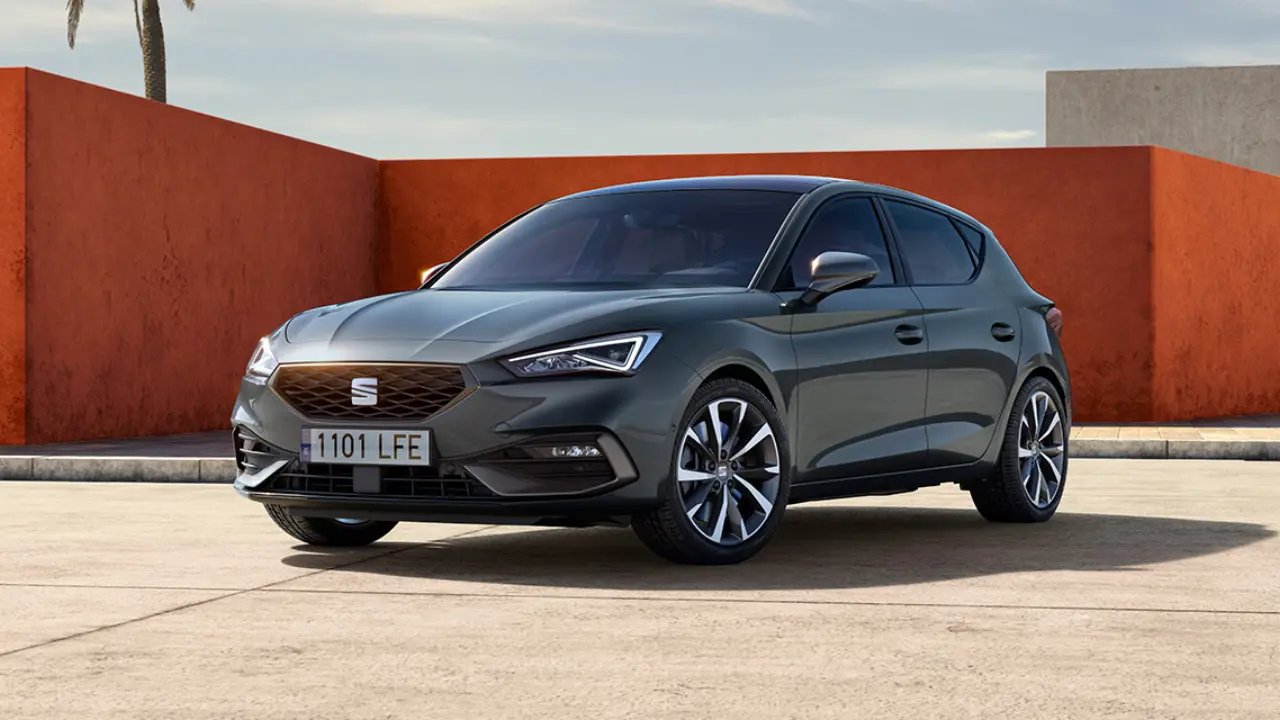
The Volkswagen Group is preparing a major strategic shift in its global operations as internal reports indicate that the iconic Spanish brand SEAT will be phased out by the end of 2029. In an effort to optimize resource management and focus on more profitable ventures, the German automotive giant intends to reallocate its research and development budgets toward the high-growth Cupra brand. This transition marks the end of an era for SEAT, which has been a staple of the European market for decades, as the conglomerate moves to eliminate brand redundancy and concentrate its investment on the rapidly expanding electric vehicle sector.
- Volkswagen Group intends to conclude the production of all SEAT-branded vehicles by the end of 2029.
- The company will shift its primary investment and engineering focus exclusively toward the Cupra brand.
- Stagnant sales and a lack of new model development have rendered the SEAT brand financially unsustainable for the group.
- SEAT may transition into a provider of micromobility solutions rather than continuing as an automobile manufacturer.
Financial Pressures Necessitate Brand Consolidation
Leaked internal documents, primarily highlighted by the German economic publication WirtschaftsWoche, reveal that maintaining the SEAT brand has become a significant financial burden for the Volkswagen Group. As the automotive industry undergoes a radical transformation toward electrification and advanced software integration, the group has determined that operating two separate brands targeting similar demographics is no longer viable. The cost-efficiency of the organization is currently under scrutiny, and the board is prioritizing initiatives that offer higher profit margins.
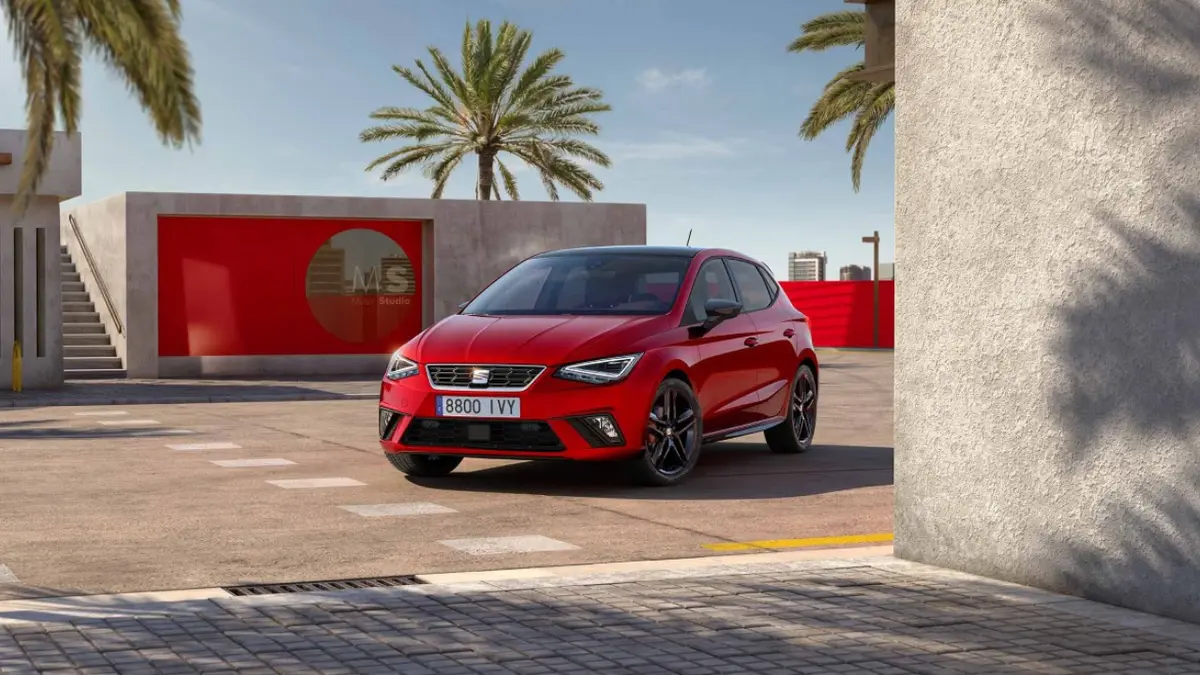
Since the launch of its last entirely new model in 2020, SEAT has relied on minor facelifts for established vehicles like the Ibiza, Arona, and Leon. This lack of innovation has resulted in a gradual decline in the brand’s global market share, as competitors continue to introduce modern, tech-forward alternatives. The group’s refusal to commit to a full generation overhaul for these aging models signals a clear move away from the traditional internal combustion lineup that SEAT currently represents.
Cupra Is Replacing the Traditional SEAT Identity
The decision to favor Cupra stems from the brand’s exceptional performance since it transitioned from a performance-oriented sub-brand to an independent entity. Cupra has successfully captured the attention of younger consumers through a distinct design language and a high-end positioning that allows for greater financial returns. While SEAT struggles with stagnant demand, Cupra has maintained a consistent upward trajectory in sales and brand prestige.
The strategic shift involves a complete transfer of production lines and engineering resources from SEAT to the Cupra catalog. While SEAT has remained dormant in terms of introducing new vehicle segments, Cupra is actively expanding its portfolio with models like the Tavascan, Terramar, and the upcoming Raval. This aggressive expansion confirms that the Volkswagen Group views Cupra as the primary vessel for its future growth in the European market.
Future Directions Are Being Considered for the Brand
For a company established in 1950 and integrated into the Volkswagen Group in 1986, the 2029 deadline represents a definitive conclusion to its automotive manufacturing lifecycle. Although management has not issued a formal public statement confirming the dissolution, internal communications suggest that the brand will cease traditional car production once existing model lifecycles expire.
Speculation remains regarding the future of the SEAT name, with many industry experts suggesting it could be rebranded for urban mobility solutions. Potential future roles for the name include the development of electric scooters, micromobility platforms, or shared transport services, which would allow the group to retain the brand equity without the high costs of automotive assembly.
Given the long history of SEAT in the automotive world, we would love to hear your thoughts on this potential shift; do you believe prioritizing Cupra is the right move for the Volkswagen Group, or will the loss of the SEAT brand leave a gap in the market?
Your comment has been submitted,
it will be published after approval.